

Written by:

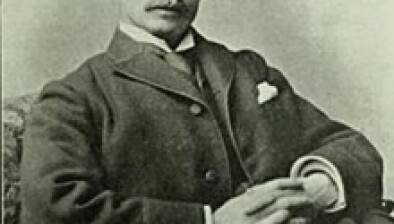
Our Legal Heritage: David Dewar, chief constable of Dundee City Police
 Reading time: 3 minutes
Written by:
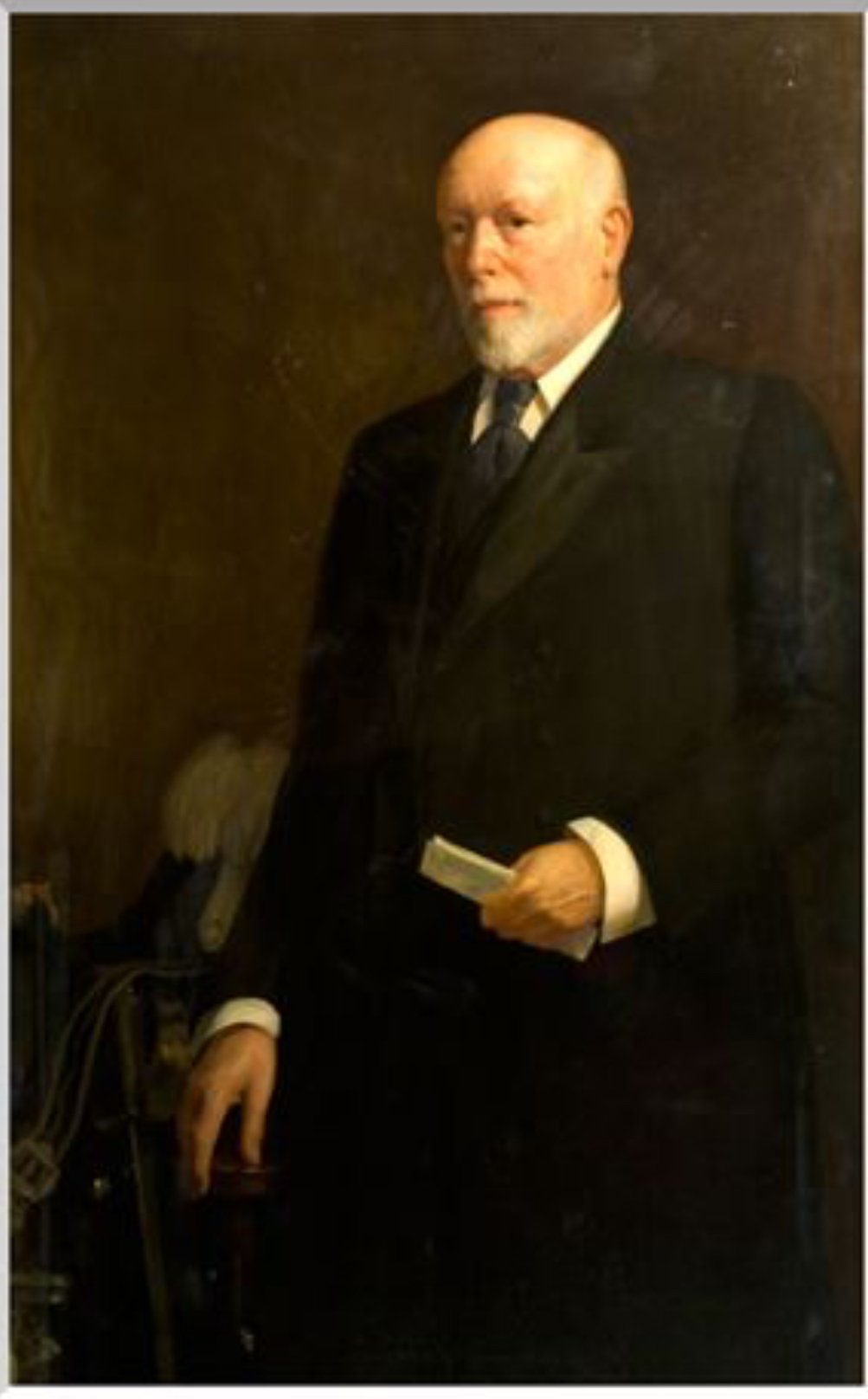
David Dewar
Credit: Dundee Art Galleries and Museums
David Dewar was born in 1836 in Perthshire, the son of a farmer. At the age of fourteen years he entered the office of Mr Barty, the procurator-fiscal at Dunblane.
After a legal apprenticeship he was engaged as a clerk in the office of the procurator-fiscal at Airdrie and at Fort William. It is not immediately clear whether Dewar was enrolled as a solicitor.
At any rate, he does not seem to have practised as such, although the practical training must surely have been a good basis for many aspects of police work. Dewar joined the Glasgow Police Force as a lieutenant and was, for about eighteen months, in the Central Office there. He next went to Hamilton as Deputy Chief Constable of the County of Lanark, for about two and a half years.
At the age of 27 years, Dewar was appointed superintendent of the Greenock Police, a recognised alternative title to that of chief constable, an office he held for 13 years.
In 1876 he was appointed head of the Dundee Police Force, and dealt with the Tay Bridge disaster in December 1879 and consequential police duties extending well into 1880.
The literature produced included: ‘Regulations for the Dundee Police Force Prescribed [sic] by David Dewar, Superintendent of Police’. Annual reports were also published.
The introduction to these regulations made it clear that they were not applicable to all circumstances that may occur in the performance of the duty of a constable: ‘A great deal must necessarily be left to the intelligence and discretion of individuals’.
The Dewar principles, if they may be said to be such, were stated in the introduction: “The prevention of crime, the detection of offenders, the preservation of peace; and, the safety of the lives and property of the lieges”.
Mr Dewar was a notable author, with the books of regulations for the Dundee Police Force. He also had published The liquor laws for Scotland including the licensing and excise enactments presently in force: with report by Royal Commission on Grocers’ Licences: ruling decisions of the Supreme Court from 1862 to 1884 (Edinburgh: William Green & Sons, 1st ed., 1884); this ran to several more editions (1894, 1900 and 1903) under shorter titles.
On the same theme there was: The Temperance (Scotland) Act 1913 and the Intoxicating Liquor (Temporary Restriction) Act 1914: with notes as also reports of decided cases from March 1903 till October 1914 (Edinburgh: W. Green & Son, 1915, revised by John Lindsay). Also, The Penal Servitude and Prevention of Crimes Acts 1853 to 1891: with explanatory notes, appendix consisting of circular from the Home Office and epitome of decided cases and index (Edinburgh: William Green & Sons, 1895).
Also, by the same author, The Children Act 1908 and other acts affecting children in the United Kingdom (Edinburgh: William Green & Sons, 1910). He had published at least one article: ‘The Burgh Police and Health Bill for Scotland’ (1890) 2 Juridical Review 45 – 63.
His interests extended to the business of the Police Court: David Dewar, The Summary Jurisdiction (Scotland) Acts (Edinburgh: William Green & Sons, 1910); and, as a matter of general jurisprudence, Criminal Procedure in England and Scotland (Edinburgh: W. Green & Son, 1913).
The latter aspects of the law were more than theoretical: David Dewar, after retiring as chief constable at Dundee at the age of 75 years, he was procurator fiscal in the Police Court. He also gave evidence on licensing matters to Royal and Parliamentary Commissions. He died in 1920.

Share this article:

Subscribe to our newsletter to not miss articles like this one:
 SUBSCRIBE