
Opinion: Pressure grows on UK ministers to regulate cosmetic procedures
 Reading time: 3 minutes

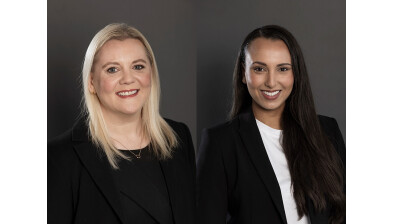
Pictured: Jacqueline Harris and Becky Neilson
The UK government faces mounting pressure to fulfil its pledge to regulate non-surgical cosmetic procedures (NSCPs) – including “Brazilian butt lifts”, Botox and dermal fillers – that have left people maimed, injured and requiring hospital treatment, write Jacqueline Harris and Becky Neilson.
In August 2025, the government proposed tough new measures to bring these types of aesthetic procedures under a new regulatory framework to “bolster patient safety”. This was in recognition that the current framework placed too few restrictions on who can perform NSCPs and what qualifications, training and infection control measures they had undertaken.
These proposals include placing cosmetic procedures in three risk categories – ‘red’, ‘amber’ or ‘green’ – according to their complexity, invasiveness and the potential for complications.
Procedures like Brazilian butt lifts, fillers and hair restoration surgery would be categorised as ‘red’ procedures and assessed to carry the highest level of risk. This would mean that they could only be carried out by qualified and regulated healthcare professionals working in services that are registered with, inspected and regulated by the Care Quality Commission.
Procedures such as Botox and prescription-only weight loss injections used for cosmetic purposes would be categorised as medium risk, ‘amber’ treatments. These could be performed independently by qualified healthcare professionals that meet certain standards.
Meanwhile, ‘green’ procedures, such as semi-permanent make-up and non-ablative laser hair removal, would be deemed low risk, and could be carried out by licensed practitioners that meet “agreed standards”.
The government said it would consult more widely on introducing regulations for the highest risk procedures early in 2026, but there has been no further progress to date.
However, pressure is mounting to regulate this corner of the cosmetics industry. In December 2025, the British Association of Aesthetic Plastic said it was “imperative” that the government took immediate action to regulate liquid Brazilian butt lifts in light of growing concerns over patient safety.
The House of Commons’ Women and Equalities Committee said in a parliamentary report that such high-risk procedures should be “banned immediately without further consultation” and reiterated calls for the government to introduce a licensing system for low-risk procedures.
Progress on this issue continues to accelerate in Scotland. The Scottish parliament’s Health, Social Care and Sport Committee (HSCSC) previously approved in principle the Non-surgical Procedures and Functions of Medical Reviewers (Scotland) Bill, and last week (17 March) the bill was passed with 124 MSPs in favour and none against.
Although similar to the government’s proposed system in England, the Scottish position adopts a two rather than three-tiered approach to regulation, with high-risk procedures allowed to take place only in permitted premises and under the supervision of authorised medical practitioners.
However, the bill still has several hurdles to overcome before it becomes law and concerns have already been raised around clarity, enforcement and penalties for offences committed under the proposed legislation.
Both the Scottish HSCSC and the House of Commons report recognised the need for the devolved nations to work together on this issue to achieve proper protection for consumers.
A lack of regulatory alignment across the UK would create significant risks, including inconsistent safety standards and the potential for “cosmetic tourism” within the UK, where individuals seek treatments in jurisdictions with weaker protections.
Jacqueline Harris is a partner and Becky Neilson is an associate at Pinsent Masons

Share this article:

Subscribe to our newsletter to not miss articles like this one:
 SUBSCRIBE