

Written by:
Lawyer of the Month: Kimberley Cross
 Reading time: 7 minutes
Written by:
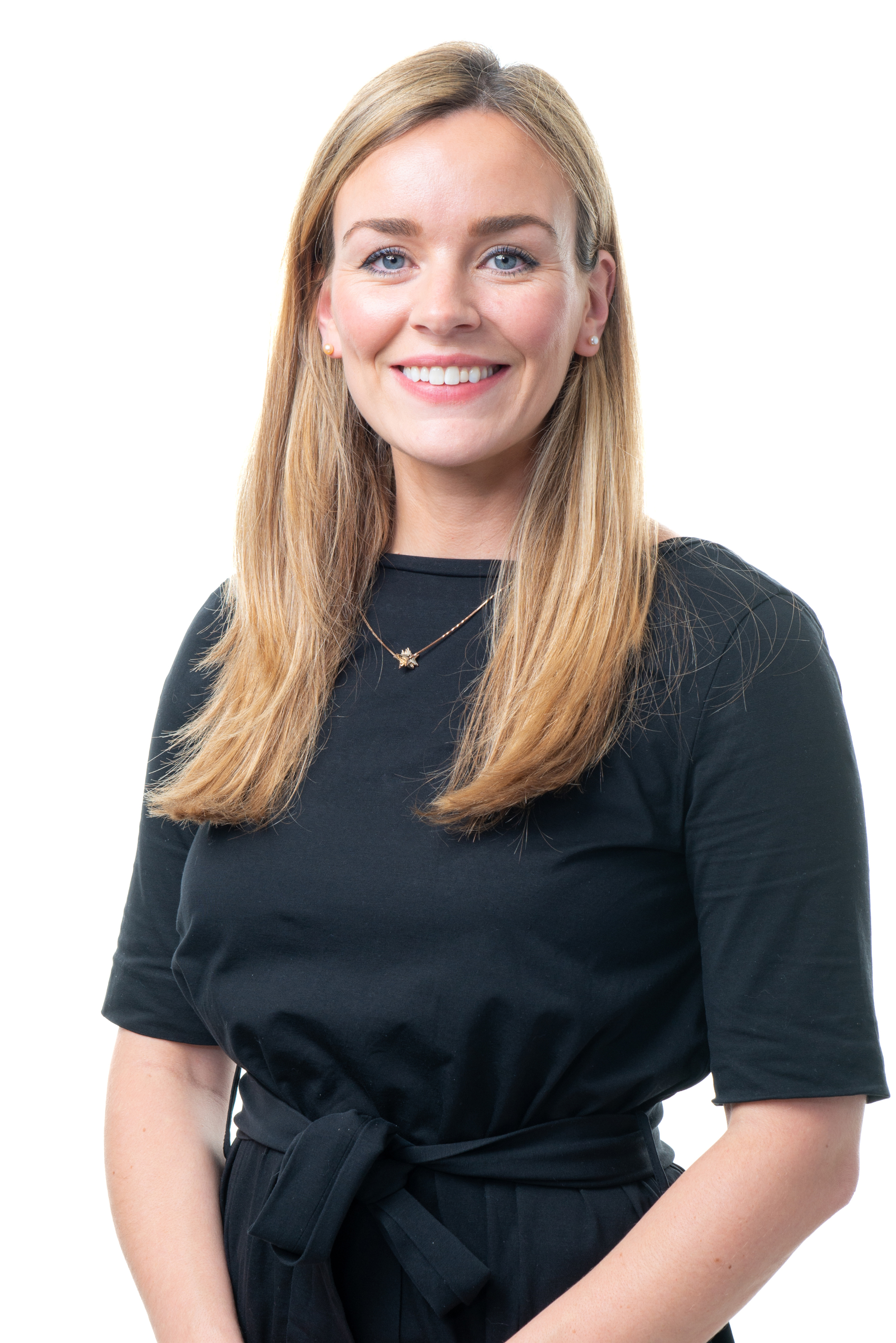
Kimberley Cross
Glasgow’s recent rescue of the Commonwealth Games was a remarkable achievement for the city. When Victoria, Australia, withdrew from hosting the event in 2023, Glasgow undertook to deliver the Games – but within a challengingly compressed timescale.
For a major international sporting spectacular such as the Games, the clock usually starts running around 6-10 years before the event officially opens. This time Glasgow had only 20–21 months of practical preparation time before King Charles’ somewhat surprising arrival in Dr Who’s Tardis to fulfil the formalities.
There was of course much detailed organisation behind the sports themselves. As CMS Scotland’s Kimberley Cross explains, protecting intellectual property, sponsorship rights and event branding is central to the commercial success of today’s major events. This depends on the careful protection of brands, trade marks, sponsors and rights behind the action that the public come (and pay) to see.
Protection of IP is vital, she adds, as it helps event organisers control the use of their brand and generate value from it. As the official legal partner of Glasgow 2026, CMS Scotland supported all the legal work needed to protect that brand and help the city showcase itself on the world stage.
CMS advised Glasgow 2026, the organising company, on all operational contracts and legal work to operate, host and maximise commercial opportunities for the Games. As part of the new Games delivery model, two of Ms Cross’s CMS colleagues, Scott Moir and Angus Niven, took roles within the company to support an efficient delivery model.
“It’s been a very collaborative partnership,” she says. “We weren’t just advising from a distance on the black-letter aspects of the law but worked closely with the organisers’ in-house legal and operational teams to find practical solutions to help get things done.
Ms Cross is based in Glasgow as a senior associate in the firm’s technology, media and IP team and specialises in intellectual property transactions, technology and commercial contracts.
Her professional role dovetails felicitously with her own interests. “I’ve always been passionate about the creative industries and live events,” she enthuses. “As a student at the University of Glasgow I studied law with French and had a part-time job working in the box office at the Scottish Event Campus, the SECC, as it was then known.
“I’d also previously completed an internship at the Ambassador Theatre Group, now ATG Entertainment, which had a significant presence in Glasgow where it operated the King’s Theatre and Theatre Royal. It’s interesting that I’ve done a lot of work with the Scottish Event Campus throughout my career, and now I’ve also had the chance to work on the Commonwealth Games. There’s been a common thread running through these experiences, and I feel lucky to be building my career around something I’ve always been passionate about.”
At CMS she explains: “I’m fortunate to have the opportunity to help clients at the intersection between law, business and creativity in areas such as live events, branding and commercial partnerships, advising them on a day-to-day basis.
“With live events, it’s first ensuring that these incredible experiences can happen, but also that the right protections are in place for the people organising them and the brands involved, to make the event as good as it can possibly be.”
She emphasises that sponsorships are a key source of revenue for large events and that official sponsors who have paid for the right to associate themselves with events naturally expect visibility, exclusivity and protection from competitors. Those details are fundamental to protecting the commercial value of the partnership.
She recalls: “I met Angela McCracken, the head of legal at Glasgow 2026, and she and I developed a strong relationship. That’s key because these events are never about one individual or team; rather, it’s about many different people trusting each other and working together at pace to bring them to life.”
An event on the scale of the Commonwealth Games involves a multiplicity of fields, including construction, corporate and employment advice. “We were dealing with the operational teams, sports delivery experts plus contractors and other specialists,” says Ms Cross.
“As there was considerable pressure to get everything done quickly, working collaboratively was the answer to that,” says Ms Cross. “Rather than taking an overly ‘lawyerly’ approach, we had to be very, very practical. It was about understanding the commercial objective, identifying the risks and then finding a way to move things forward.
“It’s been a fascinating experience and was helped hugely by Glasgow’s existing talent and expertise in hosting live events. Scotland has gained a world-class reputation in this area and that deep expertise among the venues and operational teams was invaluable.”
CMS enjoyed the advantage of having a presence in Scotland but also being an international firm with offices around the world. “Live events are increasingly international in terms of the audience, sponsors and the implications of them being broadcast globally.
“An interesting point is that not only are the events themselves more international, but they are now experienced online in ways they never were before. You can reach audiences around the world almost instantly.”
Earlier in her career Ms Cross recalls: “Previously we would have thought about sponsorship and branding in a more traditional sense in terms of signage at the venue and maybe content on the website. Now digital activations, influencer partnerships and immersive fan experiences hold much more value. It’s also about being able to promote things on social media, having a hashtag that’s associated with the event that generates engagement – so the digital aspect of my work has been transformed since I began 15 years ago.”
That also means keeping pace with the regulatory landscape – not just rapidly evolving technology, but increasingly in areas such as security and sustainability too, which she says will always present a challenge.
“One of the challenges is anticipating risks that haven’t fully emerged yet. Drones, for example, raise questions around security, privacy and filming. The legal framework must be flexible enough to respond to that. There’s always something new appearing around the corner.”
She returns to the importance of working collaboratively: “We work closely with colleagues in IP disputes and in areas such as real estate, employment and construction. If you want to build a partnership with clients, it means more than giving one piece of advice for one project. It means understanding their wider business drivers and bringing in the right people from across the firm at the right time, not working in silos. That enables a much broader relationship.”
This sense of collegiality extends to associations within the legal world. “We’re part of a network, IP Inclusive, which encourages diversity and inclusion and brings IP professionals together, particularly lawyers and trade mark attorneys. It’s about sharing common problems and talking about emerging trends and issues,” she says.
Having spent her third year of university in France, which Ms Cross describes as “challenging, but an absolutely fantastic experience”, and having travelled extensively, she now lives and works in Glasgow but retains an international outlook. “After spending time abroad, the world seems much bigger and I’m keen to be part of things happening on an international stage.”
The Commonwealth Games exemplified that: “Having the opportunity to be even a relatively small part of bringing major international events like these to life is very motivating.
“I was lucky enough to see the athletics at the Paris Olympics in 2024 and there’s something very special about being in a stadium with thousands of others, all sharing the same moment. At the Commonwealth Games in Glasgow, it was incredible to see that same sense of excitement at home.”

Share this article:

Subscribe to our newsletter to not miss articles like this one:
 SUBSCRIBE