


Smart glasses ‘inevitably’ set to trigger privacy complaints
 Reading time: 4 minutes
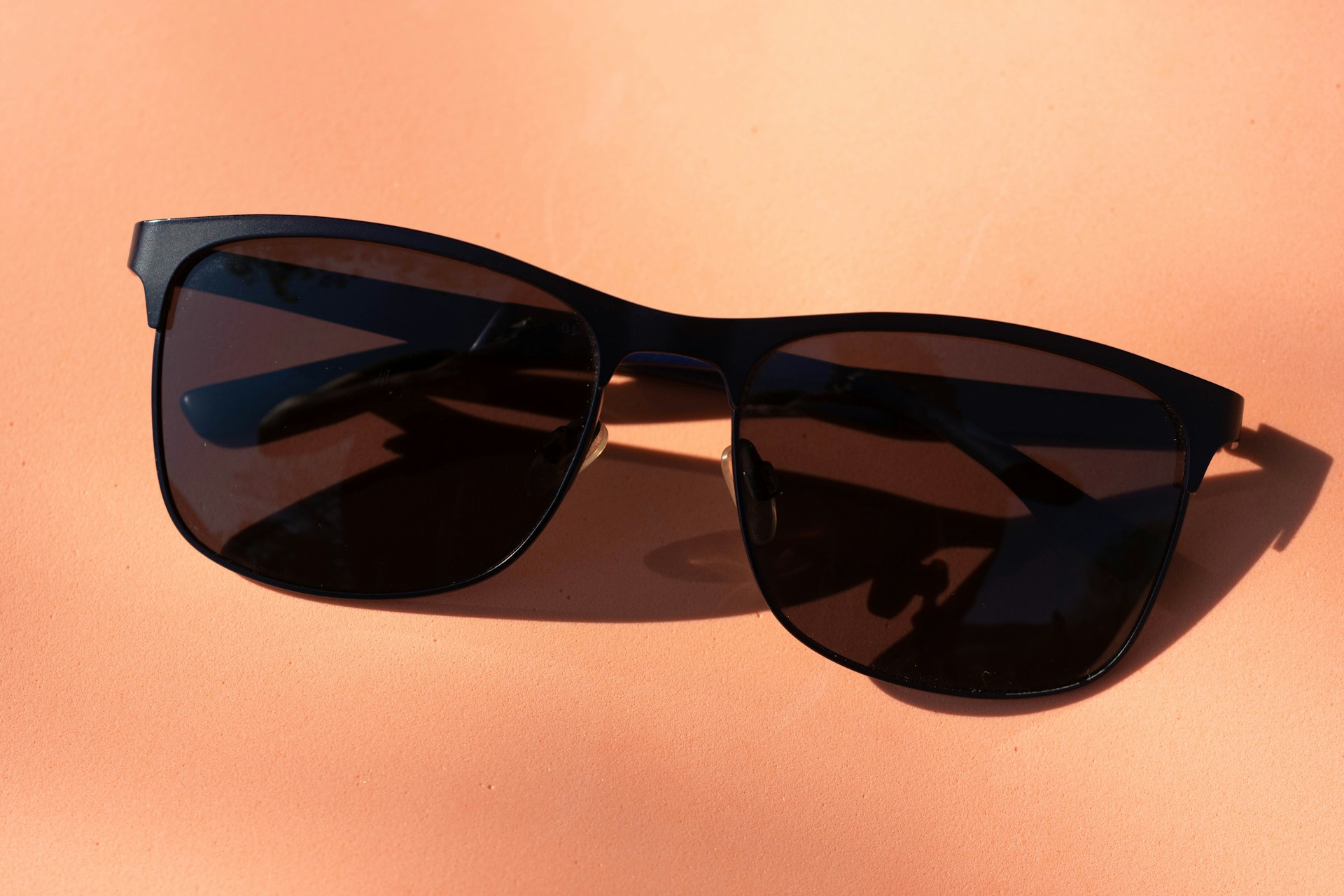
A solicitor advocate has warned that complaints from people covertly filmed using smart glasses are likely to increase, and called on Holyrood to consider creating a standalone right to privacy.
Paul Motion, who specialises in data protection, social media and reputational law, said the growing use of camera-equipped glasses would inevitably lead to more people seeking legal advice after discovering they had been recorded without their knowledge.
But he questioned whether Scots law currently provides victims with the remedies they might expect.
Speaking to The Herald, he said: “I think there will be an increase in people complaining about being filmed on spyglasses. I think that’s inevitable.
“I think we will see an increase in people seeking legal advice. Whether the law is able to give them the legal remedy they think they’re entitled to, that’s a completely different matter.”
Mr Motion said MSPs could consider strengthening privacy protections under Scots law, arguing that Holyrood should legislate for a specific right to privacy if the courts had previously come close to recognising one.
His comments follow concern over smart glasses that allow users to record video from eye level without holding a phone or conventional camera.
The issue has gained attention in Scotland after Police Scotland began reviewing footage recorded by TikToker Scott Margerison during a road trip around the country. Mr Margerison used camera-equipped Meta glasses to film members of the public, shop workers and CalMac ferry staff, apparently without their knowledge.
Police said complaints had been received and that the footage was being assessed to establish whether any criminality had occurred.
Mr Motion pointed out that in England the courts recognise the tort of misuse of private information. That involves balancing a person’s reasonable expectation of privacy against freedom of expression.
“In Scotland, we don’t have a standalone right of privacy in the same way that England does,” he said.
He referred to the 2019 case BC v Chief Constable of the Police Service of Scotland, in which a judge held that Scots common law recognised a standalone right to privacy. Doubts were subsequently raised on appeal about whether such a general right existed.
“So I think that the best I can say on the legal front is that there’s no standalone right of privacy in Scotland,” Mr Motion said.
“So if you’re going to go looking for a remedy, your privacy tends to have to be linked to something else that Scotland’s law does recognise as a remedy.”
Potential avenues include breach of confidence and the historic Roman-law delict of affront to dignity, which can address invasions of privacy and dignity even where no financial loss has occurred.
Mr Motion said, however, that affront to dignity was rarely used and compensation could be limited. “The current remedies are pretty limited,” he said.
The immediate removal of footage can also be difficult. Filming someone without consent in a public place is not, by itself, generally unlawful in Scotland, meaning a victim may have to establish another legal wrong.
Mr Motion said Scottish courts could order footage to be removed.
“The Scottish courts can make orders requiring footage to be taken down, and indeed, I’ve applied for such orders,” he said. “So it’s perfectly possible.”
Victims could also seek an interim interdict preventing publication or further sharing. But they would need to identify the person responsible and serve the order on them, potentially allowing footage to spread before action can be taken.
Mr Motion said Holyrood should also consider modernising the process for obtaining urgent protection.
“Interdict procedure hasn’t really changed since the last century,” he said.
He suggested there could be “procedural improvements to make preventative interdicts or take down orders more accessible and more effective”.
The solicitor advocate said he could see more people approaching lawyers over footage captured by smart glasses.
“I can see that perhaps becoming a not a regular occurrence, but an occurrence in the future,” he said. “It is a brave new world.”

Share this article:

Subscribe to our newsletter to not miss articles like this one:
 SUBSCRIBE