
Scotland backs human and disability rights in climate action
 Reading time: 3 minutes
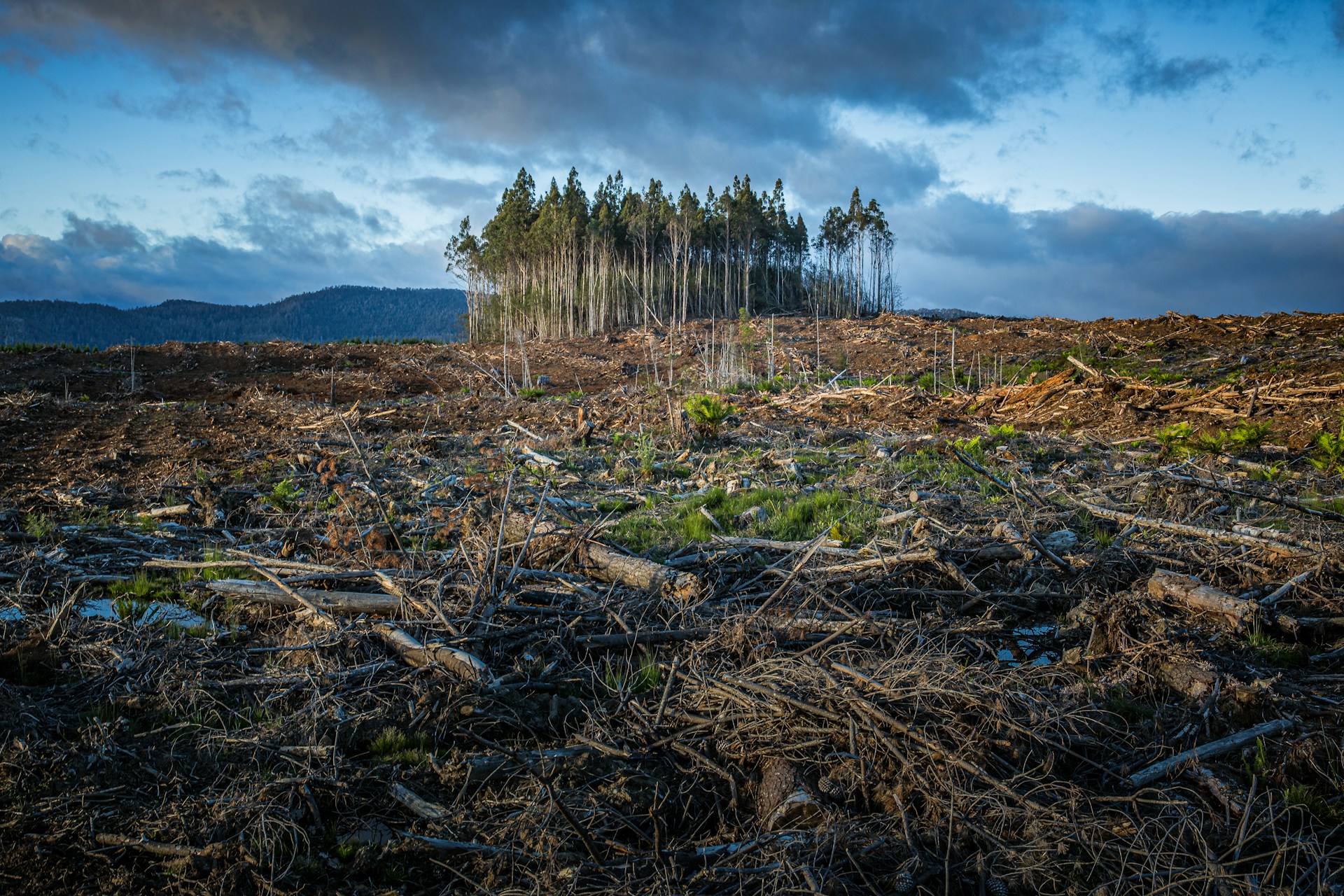
The Scottish government will provide £375,000 for three programmes supporting human rights and disability inclusion in the global response to climate change.
In a world-first, Scotland will provide £100,000 in new funding to Christian Blind Mission to help disabled people’s organisations take part in international climate talks.
The funding includes £165,000 to continue Scotland’s support for the UN special rapporteur on climate change and human rights. A further £110,000 will extend funding for the Regions4 Just Resilience Action Platform, which helps Global South regions access climate finance by developing investment-ready projects and connecting them with donors. Scotland holds the Presidency of Regions4, a global network of governments.
Climate Action Secretary Gillian Martin said: “This funding continues Scotland’s efforts to make sure those who have done the least to cause the climate crisis but are most vulnerable to its worse impacts have a voice in international decisions.
“Climate justice is central to our approach. We want finance to reach those hit hardest, through locally led action that puts women, disabled people and Indigenous Peoples at the heart of climate solutions.
“For long-term change, we have made clear that the global debt system needs to be reformed if we are to achieve climate resilience. Climate vulnerable countries in the Global South should not have to choose between debt payments or recovering from climate change. The UK government has an opportunity to use its upcoming G20 Presidency to make this a priority and I will continue to urge them to do so.”
Josephine Mwatibo and Gordon Rattray, UNFCCC focal points Disability Climate Caucus, said: “The Disability Caucus is very grateful to the Scottish government for its support, which is helping to make international climate action more disability inclusive. For too long, persons with disabilities from the Global South, who are among those most impacted by climate change, have been shut out of the rooms where decisions are made. This funding means representatives from organisations of persons with disabilities (OPDs/DPOs) can be at COP31, drawing on their lived experience and local knowledge to help shape outcomes that will affect their communities.”
Elisa Morgera, UN special rapporteur on climate change and human rights, said: “The UN special rapporteur on climate change and human rights is extremely grateful for the renewed funding from the Scottish government, which supports the mandate’s international engagements including her participation in COP31, at a time when the UN liquidity crisis has prevented the mandate from receiving the UN budget allocated to her under the relevant Human Rights Council resolution.”

Share this article:

Subscribe to our newsletter to not miss articles like this one:
 SUBSCRIBE