
Written by:

Review: The Mystery of Saltwater Mansions
 Reading time: 3 minutes
Written by:
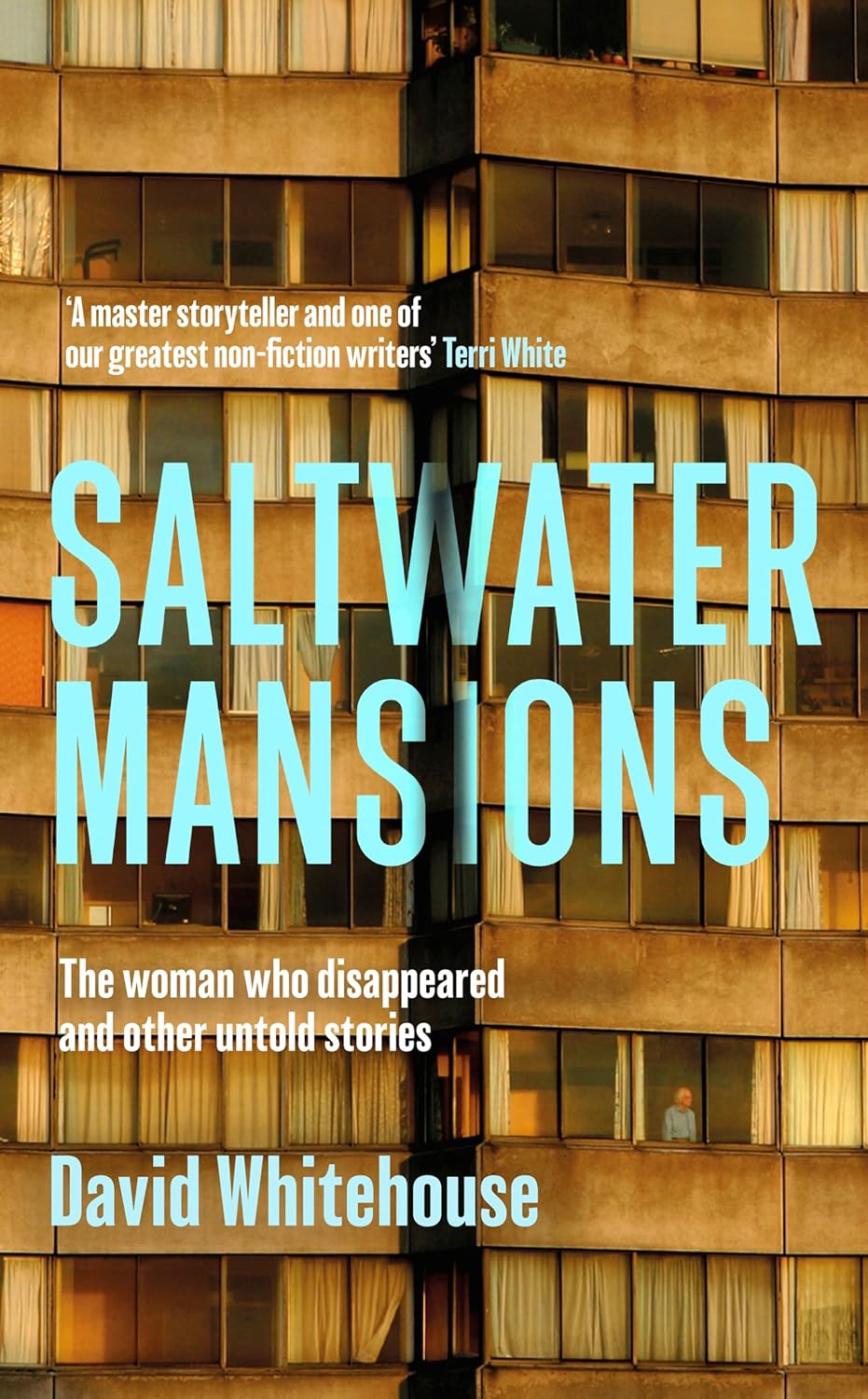
In May 2009 a meeting of residents of flats in Saltwater Mansions in Margate included Caroline Lane, a resident in a ground floor flat there. The meeting was somewhat contentious because of a dispute around essential repairs.
Caroline Lane resided alone, and she challenged her liability for payment. After that meeting no-one saw or heard from her again, and 13 years later David Whitehouse, a nearby resident, investigated her disappearance.
The mystery was a real one for other residents. Oddly, the mortgage was paid monthly, as were other bills, for years. There came a point when additional fees for the repairs and for the building management company were due and mounting.
The narrative by Whitehouse of what he found is, according to the blurb, “an astonishing work of creative non-fiction, blending reportage and memoir”. In short, this is another modern book of facts, enhanced with other material as needed.
Notably, the subtitle refers to the woman who disappeared “and other untold stories”. The latter have little or nothing to do with the principal event of the disappearance, and many readers must have wondered at the irrelevance of the added extra stories.
In its essence, Whitehouse became as fascinated by this missing woman as the many other residents of Saltwater Mansions. They all had their own theories to share, and their own unique stories about Caroline Lane to tell.
To his credit, Whitehouse follows through with his interest and in due course finds new information. It has to be said, somewhat prosaically, that the new material found by Whitehouse might indeed have been missed by (unspecified) private detectives.
However, such professionals can miss leads but there was no money to engage with professionals at length. Whitehouse gave extensively of his free time to the task. Amateur investigators might not have had the perseverance of a journalist.
Eleven years after the disappearance of Caroline Lane the management company for the other residents instructed solicitors, and by the time that the civil action commenced in Canterbury County Court the arrears had reached £20,000.
The undefended action allowed entry to the premises and, when that was done, although the worry was there, no dead body was found. The flat was a time capsule from many years earlier, and the knee-deep volume of letters behind the front door extended for two metres.
The lawful sale of the property, after payment of debts, and solicitors’ fees, left £100,000, which was remitted to the treasury solicitor. The vacated property was in need of repairs caused by neglect, and it was sold, upgraded and re-occupied by others.
Aspects of the explanation of the disappearance remain nebulous as are a number of other lines of the pursuit by Whitehouse. If the local police were involved nothing is said about that and what advice, if any, they offered, and if they did anything.
It is likely that there are nationally many other similar examples of unexplained disappearances. Nevertheless, Whitehouse has written an interesting narrative of an intense local mystery which he solved in large part, but not completely, regrettably.
Saltwater Mansions: The woman who disappeared and other untold stories by David Whitehouse. Published by Phoenix Books, 212pp.

Share this article:

Subscribe to our newsletter to not miss articles like this one:
 SUBSCRIBE