


Written by:

Review: The impact of World War One on crime in Scotland
 Reading time: 2 minutes
Written by:
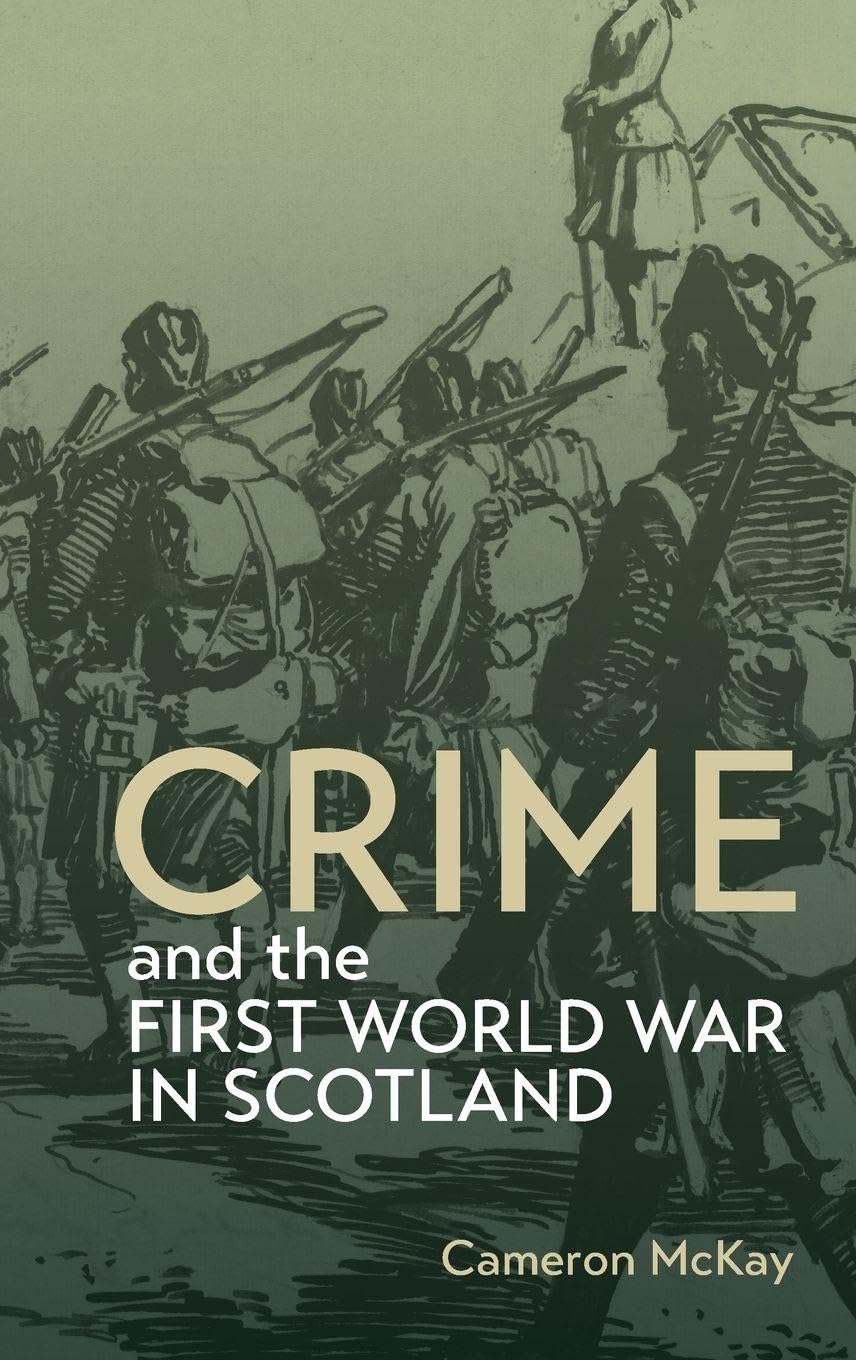
The Great War had an unprecedented and long-lasting impact on crime in Scotland. From the first year of the war prison committals were at their lowest levels since the 1870s, and remained there until after armistice in 1918.
Even amongst those citizens not in the armed forces imprisonment also fell due to the demand for labour and the consequential raising of household incomes. Wartime legislation also restricted the opening hours for public houses.
After the conclusion of the of the war, large numbers of service personnel were demobilised and the crime rate rose. Contemporary fears about ‘brutalisation’ created a belief that Scotland was a more violent place than before the conflict.
That narrative of events is based by Dr McKay on an impressively wide range of contemporary sources, many of them government reports and a substantial range of medical studies, the latter being perhaps the most interesting and informative part of the book.
Extensive reliance is placed on reports of relevant prosecutions, albeit these are based on many national and local newspaper accounts. The prosecutions on closer examination, however, might actually be for minor and inconsequential regulatory offences.
Of particular note is the study of the causes of serious crime from the interviews with imprisoned former servicemen. The Prison Commissioners for Scotland had conducted serious criminological research from the 1890s.
The servicemen imprisoned were interviewed at some length continued until 1931, excepting for a few years at the start of the Great War when there were few former servicemen to interview.
It is disappointing to find the frequent use in this book of English law terms: “defendant” is used regularly, with reference to a “burglar”. The point is made not out of nationalistic pedantry but only out of accuracy, as some terms may not mean the same in each jurisdiction.
Moreover, there is a difference between a defence in law to a charge, and mitigation after a finding of guilt or a guilty plea, or even a defence lawyer having found something to say in an otherwise overwhelming case.
The narrative seems to be less than certain in some legal aspects, but otherwise the narrative presents an interesting contribution to the history of crime in Scotland.
Crime and the First World War in Scotland by Cameron McKay. Published by Boydell Press, 188pp, £85.

Share this article:

Subscribe to our newsletter to not miss articles like this one:
 SUBSCRIBE