

Written by:

Review: Reassessing Ramsay MacDonald
 Reading time: 3 minutes
Written by:
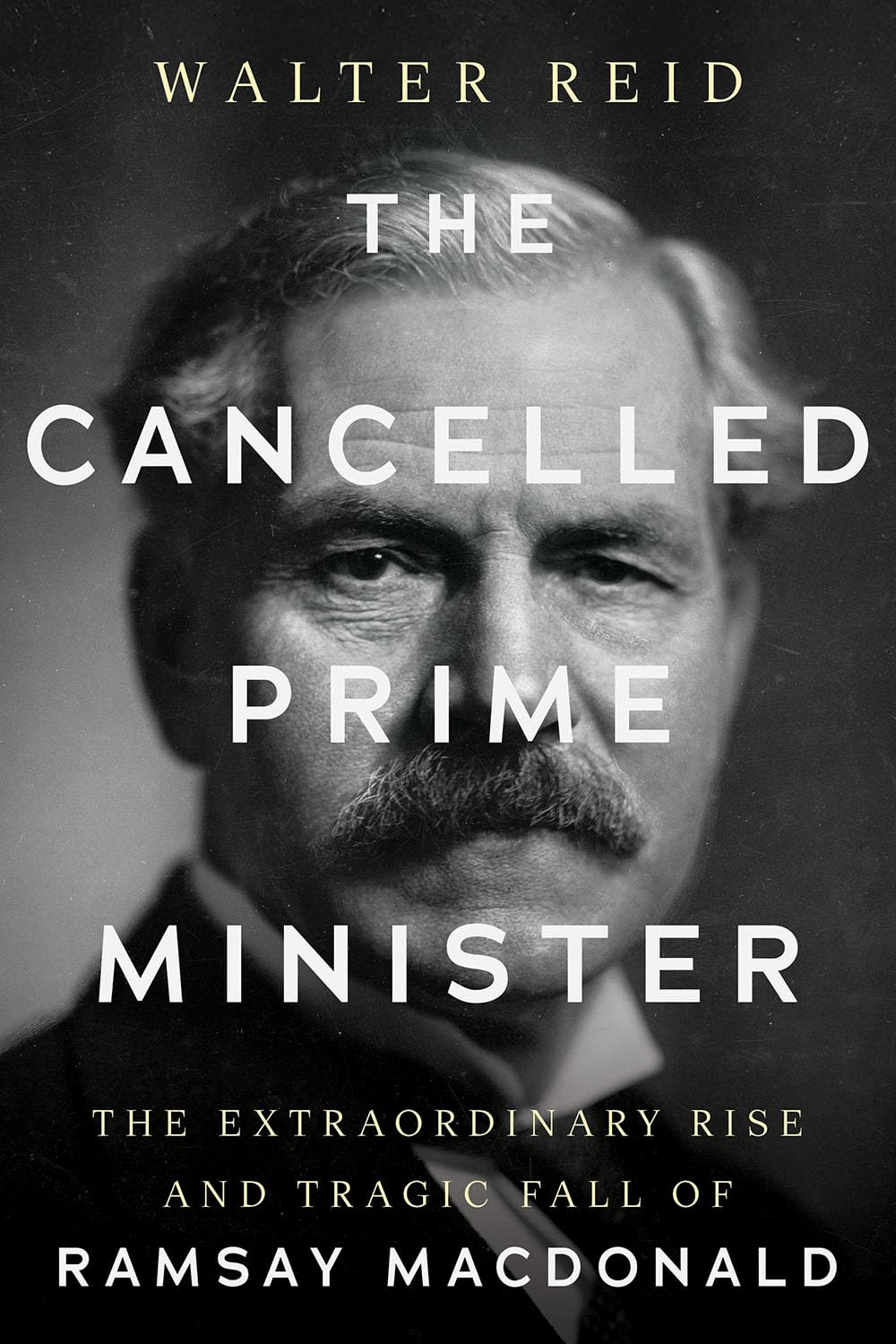
James Ramsay MacDonald moved from a very modest and unpromising background in Lossiemouth to London and became prime minister. Even with a substantial historiography, MacDonald, according to historian Walter Reid, remains a difficult person to interpret.
Reid is generally sympathetic towards MacDonald. There has been and may still be intense residual animosity from many of the present Labour activists and historians towards MacDonald, notwithstanding his impoverished history.
Indeed, in this biography Reid has detailed extensively the nature of the basic education that MacDonald did receive, and his successful didactic efforts to gain a further education. The latter efforts coincided with MacDonald’s trying to find paid employment.
In a lovely world the borderline distinctions between Liberal, Labour and Conservative would be crystal clear. In MacDonald’s time, what came to be the Labour Party was emerging and might have been a labour wing of the then Liberal Party.
Much of the detail in this biography is known generally but firstly Reid has shown, perhaps for a newer readership, and in clear terms, the difficulty in finding sufficient people with knowledge and experience to hold office.
In that regard, it is not too parochial to suggest that one omission from this study is even a few words about the difficulty MacDonald had as a new Prime Minister in finding suitable lawyers with relevant qualifications and experience to take up the posts of Law Officers.
Secondly, Reid explains how the financial crisis came about that led to political schism and the National Government led by MacDonald. That is by no means easy history and the relevant literature seems endless.
It is that era that has defined the political legacy of MacDonald, with a common accusation of treacherous ambition overcoming loyalty to the party, colleagues and working people. Put simply, the extreme international financial pressures explain MacDonald’s actions.
Moreover, MacDonald with all due deference by him, expected then, came to be a personal friend of King George V, in so far as any subject might do so. In the financial crisis of 1931, he responded personally to the request by the Monarch to lead the National Government.
The actual financial disaster was the result of developments elsewhere and overtime, and they were hardly the responsibility of MacDonald. He might well have saved his health and peace of mind had he simply declined to enter a National Government in any capacity.
MacDonald was not unsympathetic to much of the radical Liberal agenda early in the twentieth century and in later life with his veneration of historic traditions and offices was to that degree a Conservative.
Reid concludes that on a personal level it was it was a mistake for MacDonald to go into the National Government without his party. His personal standing has never recovered.
Yet, at a political level MacDonald sacrificed himself not only for the sake of his country, but also for the sake of saving his party from what Reid describes, perhaps too harshly, as ‘the contamination of cohabitation’.
Reid summarises that, overall, MacDonald’s great achievement was “to make Labour the single progressive political party in Britain, disciplined, businesslike and practical”. Perhaps that is too broad a statement as to long-term outcomes.
The Cancelled Prime Minister: The Extraordinary Rise and Tragic Fall of Ramsay MacDonald by Walter Reid, 357pp, £25.

Share this article:

Subscribe to our newsletter to not miss articles like this one:
 SUBSCRIBE