


Written by:

Review: How historians shaped Scotland’s past
 Reading time: 4 minutes
Written by:
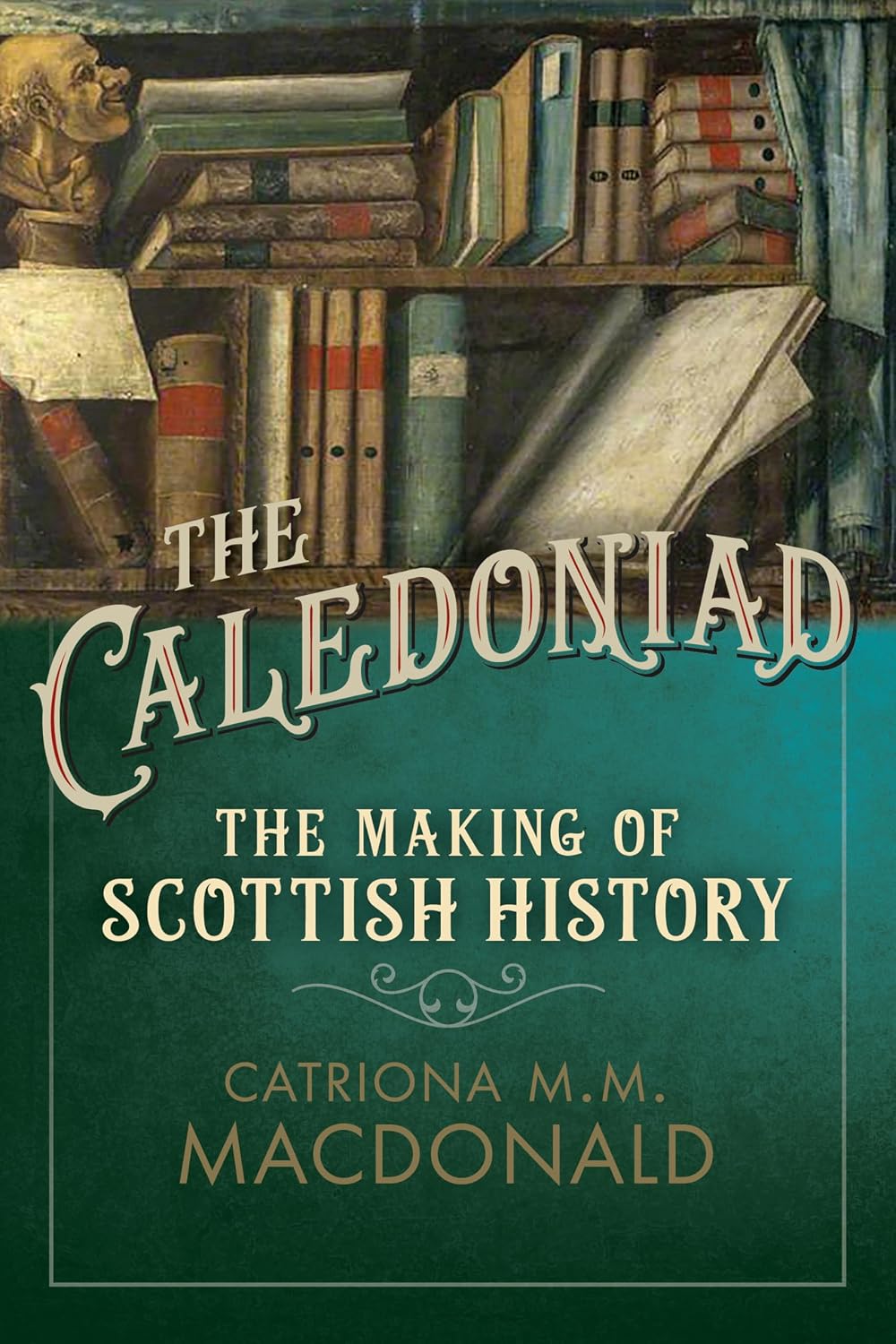
Why, asks Dr Macdonald, did the Scots in the nineteenth and twentieth centuries know so little about their past and even less about those who “controlled” their history. The answer has implications as to how Scottish history, and, to an extent, Scottish identity has evolved.
This is an extraordinary book to look at with its old-fashioned telephone directory attributes: massive in size, heavy to lift and equally difficult to hold for long periods of time. As the paperback has 562 pages, at the very least the purchaser gets a lot of paper.
This is a commendable piece of work that is a comprehensive survey of the discipline of Scottish history as it became professionalised in the nineteenth and twentieth centuries. The work is important for its place centrally for Scottish scholarship for a longtime to come.
Scottish history is not a simple list of past events here: historians, amateurs and professionals, lay down the influential narrative of what happened at crucial points of the development of the nation. Dr Macdonald identifies and assesses professionally the sages of the past.
It is in analysing the credibility and reliability of the historians of Scotland in the past that the reader is provided with an extensive and original contribution to the general understanding of the evolution of the historical discipline in modern Scotland.
Not everyone wants to be or can be an historian, and for a place such as Scotland the cohort of historians at any one time was rather small. Reflecting their era, no doubt, many of the historians appear to have been treading water and not advancing their subject much.
In those rather introverted circumstances, Dr Macdonald shows how historical fiction and popular histories advanced the Scottish historical imagination. More broadly, this study explains why, despite the wide interests, a truly British history has never emerged.
History is far more than a recitation of government documents; novelists and popular historians scorned by the historical establishment in their time are shown in their works often to have anticipated the interest and insights that later came from the professional historian.
A full survey of the historical literature of Scotland was bound to include the work, for example, of John Prebble. He was criticised comprehensively by professional historians for his works of ‘faction; an unconvincing blend of fact and fiction.
Other dismissive terms were available, notably ‘tartan history’, apparently the usual allegation made by academic historians against popular historians, although that may now sound a little too contrived.
Dr Macdonald asserts that Prebble did well at points to “navigate the treacherous sea of academic scorn”. He raised popular awareness of crucial aspects of Scottish history and that constituted an unwelcome challenge to the academic historians.
Other, unspecified by Dr Macadonald, academic Scottish historians, “less inclined to soundbites in the press and using more measured language”, regularly credited the depth of Prebble’s scholarship.
The book is not merely an in-house manual for the trade. Dr Macdonald argues that it was hard to avoid the conclusion that by the end of the twentieth-century to give the history back to its people it first had to be taken back from “some” university historians.
Lawyers do not go unnoticed: Sir Walter Scott certainly was not in his time, and even, or possibly more so, now. Many of the early historians were lawyers, or they had in large numbers a “background in law”; the other important influences being politics and religion.
What is Scottish history? Dr Macdonald discusses historians in London writing on Scottish themes. The tendency of many of these celebrity historians was to develop “a familiar vision of Britain as ‘England plus’”, with a clear antipathy to Celtic history.
Moreover, the male-dominated world of historians was slow to accept the work of female historians including Agnes Mure Mackenzie who, with a doctorate and a publishing history, is seen as personifying a transitional period in the profession of historian.
It is difficult to consider how anyone might read, study or reflect on Scottish history in the future without having taken up The Caledoniad as it sets the limits of the subject in the past and the reasons for those limitations.
The Caledoniad: The Making of Scottish History by Catriona M. M. Macdonald. Published by John Donald, 562pp, £90.

Share this article:

Subscribe to our newsletter to not miss articles like this one:
 SUBSCRIBE