

Written by:

Review: Dianarama – a triumph for decent journalism
 Reading time: 3 minutes
Written by:
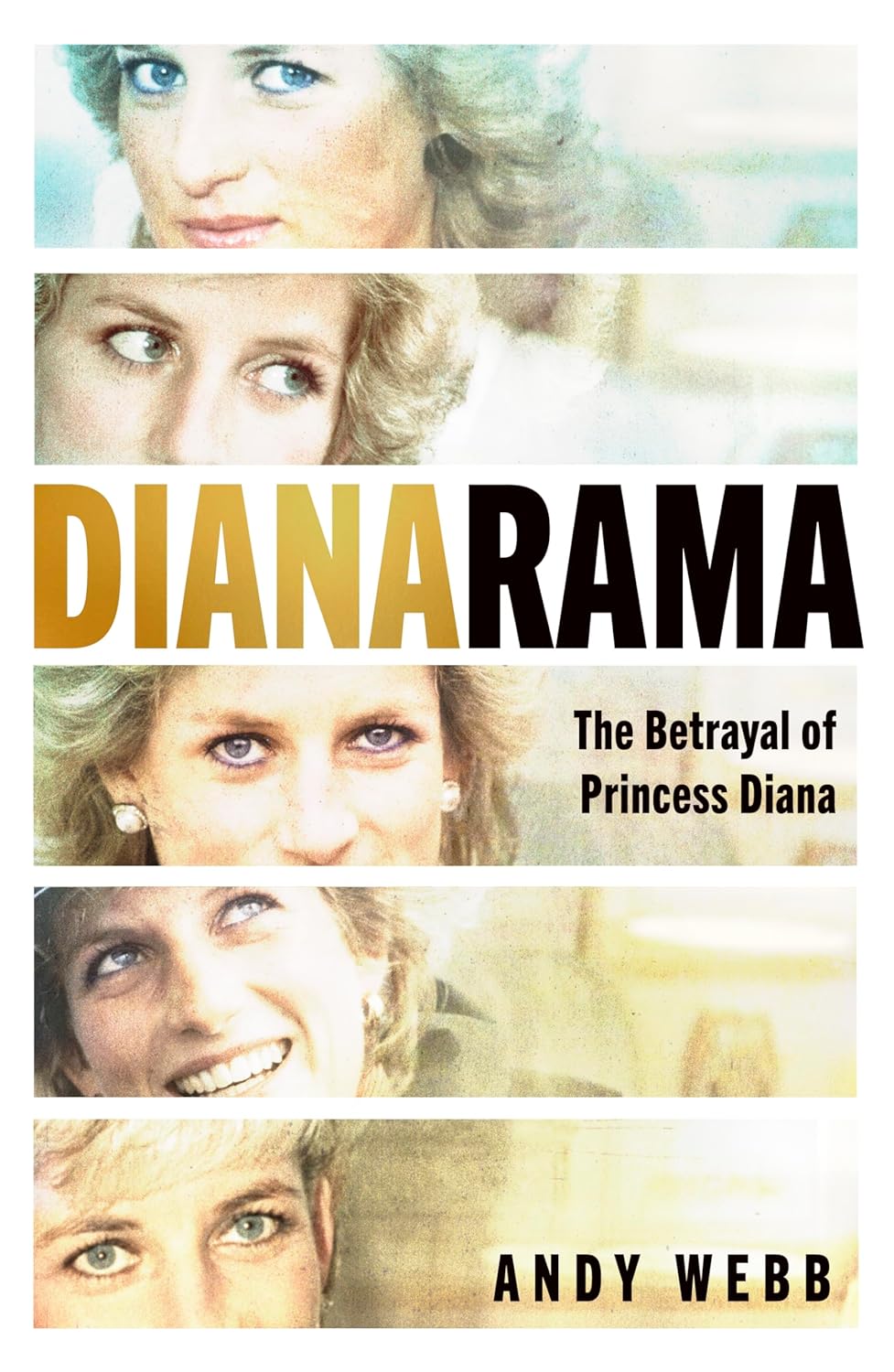
A check on the pages in Wikipedia for Diana, Princess of Wales suggests that there are at least 30 books about the lady, and the long article there has about 500 footnotes. That alleged number of books may be a low number of the actual publications, given foreign interest.
These bare statistics do not even encapsulate the point made by a journalist in a TV documentary sometime in the early 1980s that to get ‘a good photograph’ of Diana on the front of a glossy magazine simply led to vastly increased sales.
If those superficial comments are in anyway correct, Andy Webb, a former BBC journalist, is entering a crowded field with his new book. Yet, this book is different as it narrates a long investigation that excavates well below the standard explanations to get to the truth.
There is within the text of the book an inherent tension: Webb was a reporter for BBC Television for 15 years, as a reporter and as director of documentary films. He has an understanding of the BBC and journalism there.
The slow revelation of documents, often due to Webb’s persistence, has resulted in a variety of pieces which must have seemed over many years like a jigsaw without the helpful picture to guide efforts.
The key event was a TV interview at which Diana expressed in public very personal thoughts and beliefs. She had been persuaded to do so by practices that went well beyond being described merely as ‘sharp’.
As a result of the televised, and well-trailed, interview on Monday 20 November 1995, personal friendships and loyalties were destroyed by the saga. The principal admissions, some against interest, seem to have been less than spontaneous, on the explanations of Webb.
The exclusive interview drew in, it is said, an audience of 23 million in the United Kingdom, and 200 million in 100 countries. The BBC is also said to have profited by £1,200,000 from revenues generated, but that seems low for 30 years ago and almost unbelievable now.
The persistence of lies by many of the people in positions of power was futile, ultimately. Their lies were being directed at other experienced journalists who knew from various sources that established narrative of the crucial circumstance were unsustainable.
Webb follows his professional instinct, to the effect that the relevant evidence was lacking, and went beyond what an ordinarily competent journalist might be expected to do. Dianarama is a triumph of journalism, as it ought to be in a slippery world of whatever.
Dianarama: The Betrayal of Princess Diana by Andy Webb. Published by Michael Joseph, 432pp.

Share this article:

Subscribe to our newsletter to not miss articles like this one:
 SUBSCRIBE