


Opinion: Twenty years since the Animal Health and Welfare (Scotland) Act 2006
 Reading time: 3 minutes
Twenty years ago, the Scottish Parliament passed the Animal Health and Welfare (Scotland) Act 2006. At the time, it was a major step forward in animal protection law, writes The Animal Law Foundation.
The Act prohibits causing animals unnecessary suffering. It also places a positive duty on those responsible for animals to take reasonable steps to meet their welfare needs. Where those duties are not met, the law gives authorities powers to intervene, including by issuing care notices or commencing prosecutions.
These are important protections, but who is making sure they are actually followed?
A law can look impressive on paper, but if the words are being interpreted too narrowly, breaches are rarely detected, and little happens when they are, its protection for animals becomes little more than words on paper.
Despite broad protections against unnecessary suffering and duties to meet animals’ welfare needs, practices which restrict animals’ movements and natural behaviour remain commonplace in Scotland. More than 1.1 million laying hens were still housed in cages in Scotland as of February 2024, while pigs are routinely confined in farrowing crates in which they cannot turn around. Mutilation procedures including tail docking are routine, despite legal protections that should prevent this. Whether such practices are compatible with the spirit and requirements of the Act depends heavily on how the concepts of ‘unnecessary suffering’ and ‘welfare needs’ are interpreted in practice.
And that is not the end of the story. Even where something is accepted as unlawful, the latest data gathered by The Animal Law Foundation paints a worrying picture.
In 2024, only 2.88 per cent of farms were inspected by an official body. The number of inspections matters because inspections do uncover welfare problems. In 2024, almost 30 per cent detected non-compliance. What’s worrying is that we simply do not know what is happening on the overwhelming majority of farms that are not inspected.
Even when breaches are found, formal enforcement is far from guaranteed. More than half – 52.94 per cent – of Scottish local authorities that detected non-compliance took no formal enforcement action at all. Overall, prosecutions were only commenced in 1.08 per cent of cases of non-compliance.
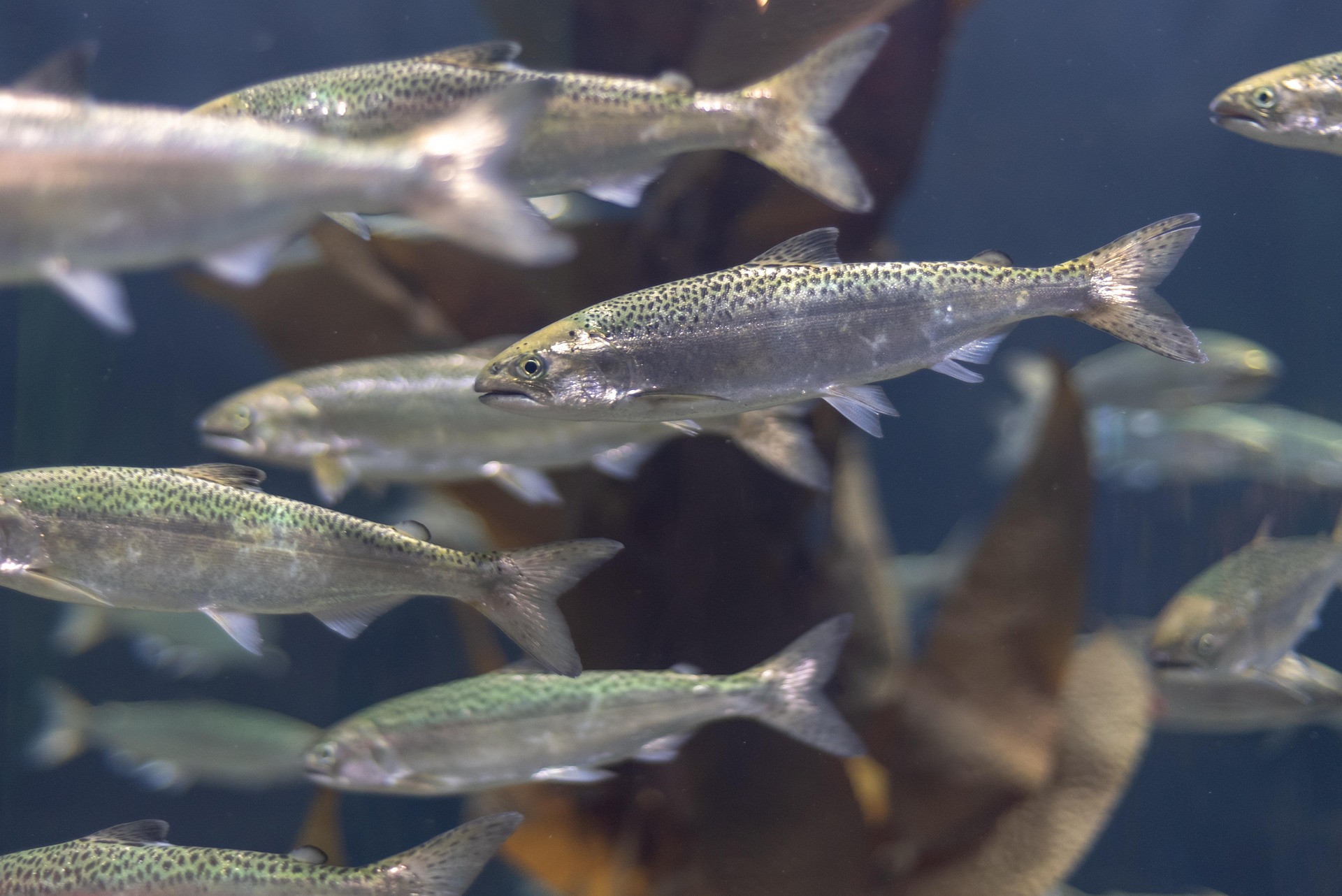
Farmed fish provide a particularly stark example of this enforcement problem. Scotland has a major aquaculture industry, but routine welfare oversight remains remarkably limited. APHA conducted just six welfare inspections for official-control purposes in 2023 and ten in 2024. Meanwhile investigations by animal protection campaigners reveal widespread welfare issues, including high mortality rates and sea lice. Whilst welfare issues have been persistent, they have never translated into formal enforcement action. There have been no official notices issued or cases referred for prosecution. The concern is therefore not just that too few farms are inspected, but that even where high mortality events or other potential welfare breaches come to the authorities’ attention, formal enforcement is not happening.
Twenty years after the 2006 Act was passed, Scotland must ensure the system responsible for enforcing the Act is properly equipped for the job.
Scotland already has laws prohibiting unnecessary suffering and requiring animals’ welfare needs to be met. What it needs is a system capable of making those protections real: regular and meaningful inspections, consistent action when breaches are found, and greater transparency about whether the law is actually being complied with.
Twenty years after the Scottish Parliament promised animals these protections, it is not enough for them to simply exist on the statute book. Someone has to make sure they are followed in practice.

Share this article:

Subscribe to our newsletter to not miss articles like this one:
 SUBSCRIBE