


New drone detection radar licence proposed by Ofcom
 Reading time: 2 minutes
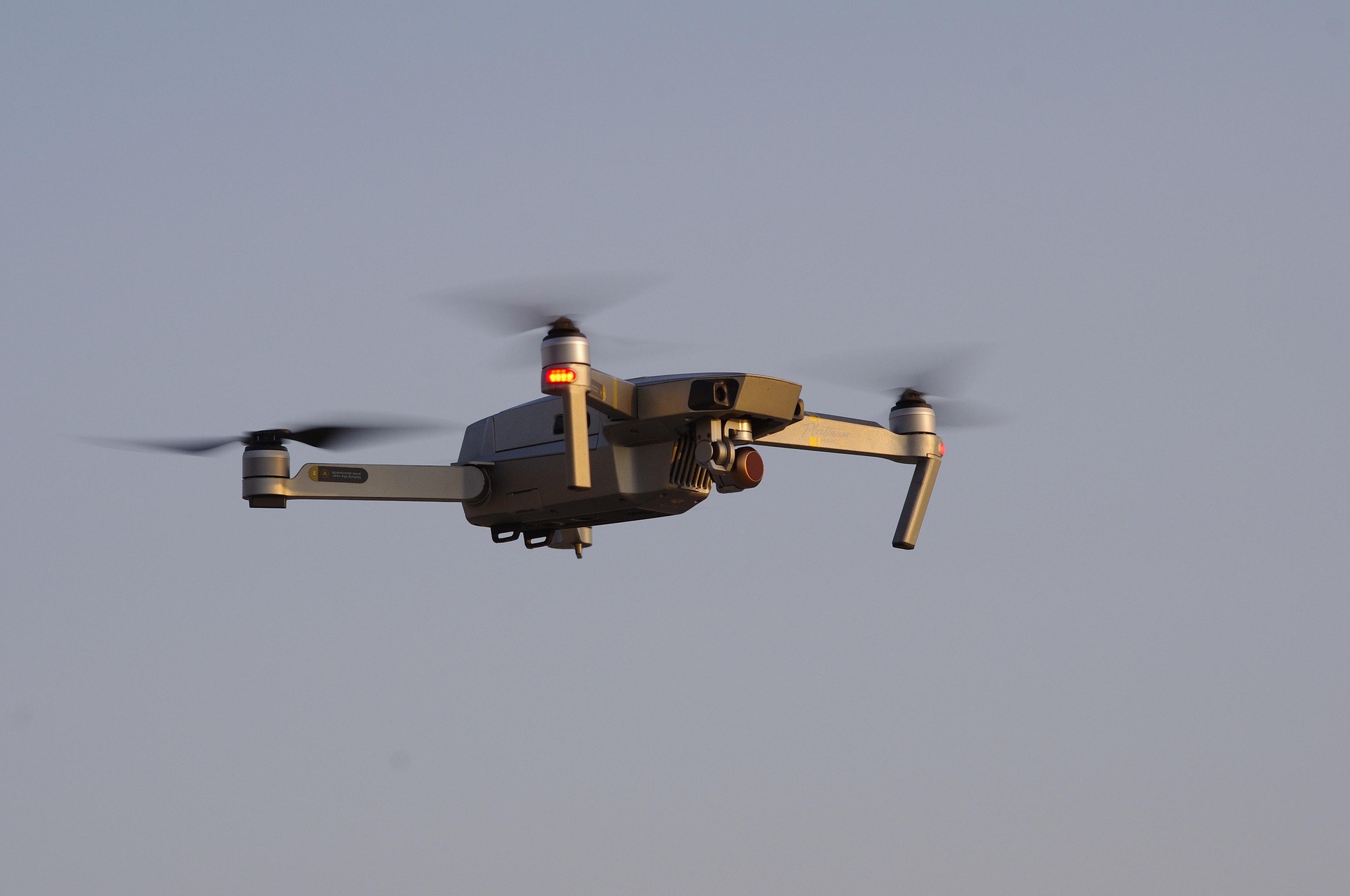
Prisons, power stations and airports will be able to guard against hostile drone activity, under Ofcom’s plans for a new drone detection radar licence.
The regulator said its proposed new licence would help organisations enhance their technology for spotting malicious drone activity, such as unauthorised surveillance.
Drones are a growing source of innovation and potential economic growth, but they can also be put to dangerous use, including disruptions at airports causing thousands of cancelled flights.
Ofcom is calling for views on whether two new bands of spectrum – known as the 24 GHz and 16 GHz bands – will meet this need for more radar detection technology.
Drone technology is transforming business practices in many industries, from farming to healthcare. This requires extra wireless capacity to enable more drones to operate safely over longer distances.
To meet growing demand for drone technology within industries from farming to healthcare, Ofcom is proposing to enable drones to access two additional bands of spectrum (450MHz and 5030 – 5091 MHz) for an interim period, where they can operate alongside existing users. It is also seeking views on long term spectrum solutions to support growing drone use.
Ofcom recently licensed Amazon to use the spectrum needed to operate its first drone parcel deliveries in the Darlington area, making the UK the only market outside the US where this service is available. Drones have been used to trial services such as blood delivery for the NHS in London and Northumbria, and Royal Mail deliveries in the Orkney Islands.
Ofcom is also seeking input on how the UK’s spectrum framework can evolve to support the next generation of wireless innovation. The regulator wants to explore opportunities to make it easier to develop, test and deploy new technologies while balancing the needs of existing spectrum users.
Nina Percival, director of space spectrum and authorisation policy, said: “Drones are being used in British skies for a growing range of innovative services, but can also be put to malicious purposes. That’s why we plan to open up the airwaves to support safe drone use and also help organisations protect themselves.
“Drones are just one example of innovation in wireless technologies. Thinking to the future, we’re asking UK researchers and industry to tell us what else we can do to help them develop new technologies.”

Share this article:

Subscribe to our newsletter to not miss articles like this one:
 SUBSCRIBE