


Ministers poised to approve controversial Jackdaw gasfield
 Reading time: 4 minutes
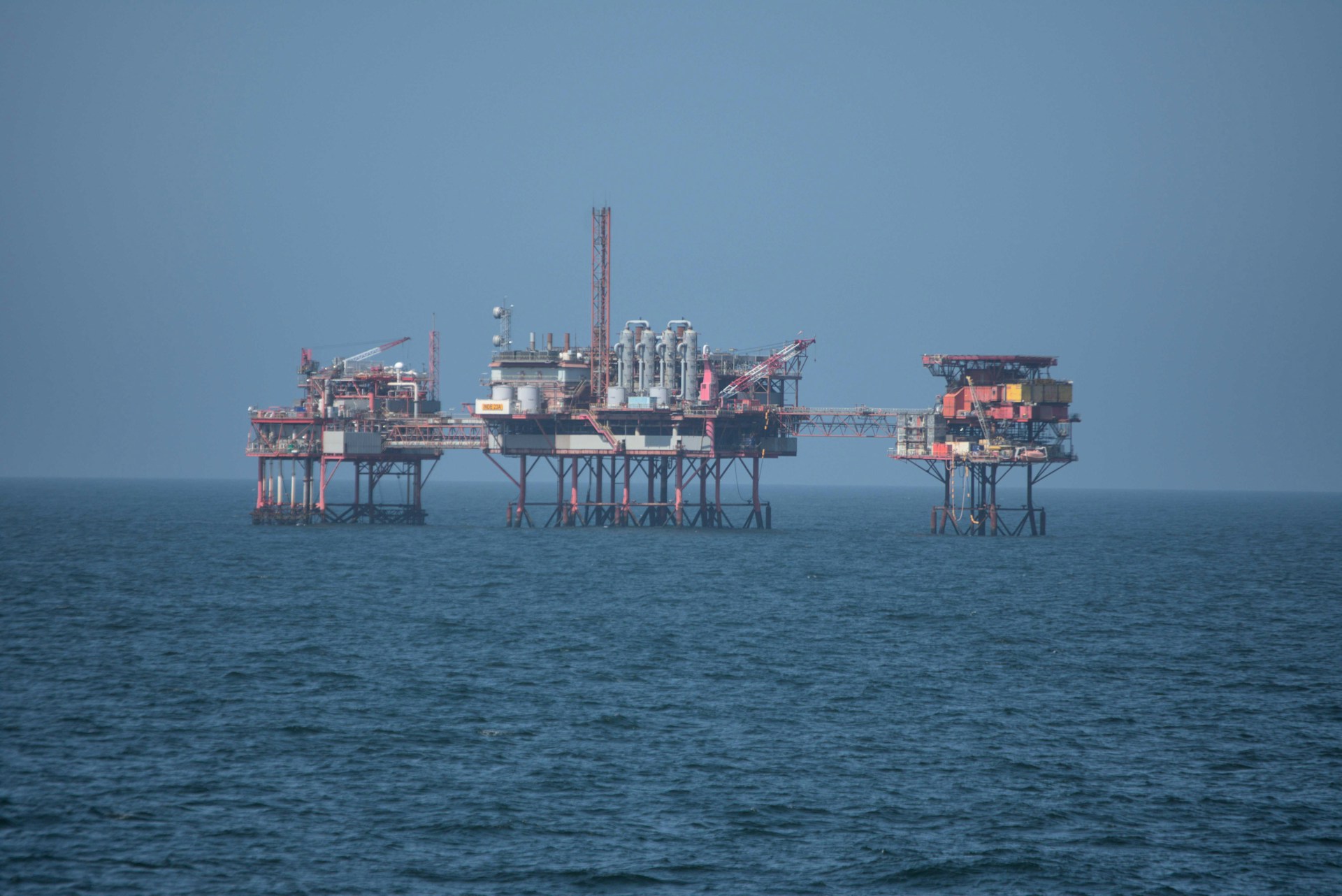
Ministers are to approve the controversial Jackdaw gasfield in the North Sea this month, with a decision on the separate £8.7 billion Rosebank oilfield expected later this year.
Energy Secretary Miatta Fahnbulleh is expected to recommend approval for Jackdaw, off the coast of Aberdeen, imminently.
Officials are also exploring ways to direct proceeds from Rosebank into UK clean energy projects, potentially through the national wealth fund, if the project is approved. Some government sources believe Fahnbulleh will support Rosebank if its environmental assessment permits it.
Both projects have licences but had their environmental approvals withdrawn after a judge ruled Shell and Equinor must account for emissions from burning the oil and gas produced. Their applications were resubmitted earlier this year.
Consultations closed last month. Industry figures say Jackdaw and Rosebank could provide 10 per cent of the UK’s oil and gas output at their peak, while campaigners claim their carbon emissions could cause £336bn in economic damage.
The government said: “The North Sea remains a vital national asset, supporting jobs, growth and the UK’s energy security. We are clear that oil and gas will continue to play an important role in our energy system for decades to come, alongside transitioning to clean power to protect jobs and tackle the climate crisis.”
Rosebank, the UK’s largest undeveloped field, is estimated to contain up to 500m barrels of oil or oil equivalent.
Both projects remain controversial within Labour, despite ministers insisting environmental approval would not breach the party’s manifesto commitment not to issue new oil and gas licences. Andy Burnham has acknowledged concerns over the impact of the energy transition on workers in north-east Scotland, telling MPs: “I know that people have struggled with the impact of transition.”
Tomas Karger, a partner in the Aberdeen energy team and a patent attorney at intellectual property law firm Marks & Clerk, said: “The potential development of the Jackdaw gas field highlights a critical reality for the UK Continental Shelf: extending the lifecycle of domestic energy assets while meeting lower-carbon standards presents a sophisticated engineering challenge.
“While physical reserves remain important, the industry’s true long-term currency is increasingly shifting toward specialised know-how, technical expertise, and low-emission technologies. In a basin where major offshore infrastructure must deliver hyper-efficient performance, the operational experience and technical solutions pioneered on projects like Jackdaw, which is reported to be among the lowest-emission developments in the UKCS, will serve as a vital blueprint for energy projects worldwide.
“Connecting Jackdaw to existing infrastructure represents a complex engineering task. The field is planned to be developed through the drilling of four wells tied to a Wellhead Platform operating as a Not Permanently Attended Installation (NPAI), which will export multi-phase wellstream fluids to the existing Shearwater hub via a 30 km subsea pipeline for onward processing. Operating and maintaining such an uncrewed platform relies on innovative automated remote systems which cut carbon emissions and significantly improve safety outcomes. Working in the ultra-high pressure and high temperature (uHP/HT) reservoir conditions of the Jackdaw gas field while retrofitting legacy hubs like Shearwater requires advanced pipe-in-pipe tie-back architecture, digital twin modelling, sensor integration, and predictive software.
“According to the North Sea Transition Authority (NSTA), all major EPCI contracts (including the wellhead platform, subsea, and drilling contracts) have already been awarded. This places the UK offshore supply chain at the direct forefront of low-emission field development. By developing, deploying, and protecting the necessary innovative subsea, digital, environmental, and remote automation technologies first in the North Sea, UK supply chain companies can establish proprietary IP and field-proven expertise that can subsequently be exported to global markets, securing the UK as a leader in the energy sector.”

Share this article:

Subscribe to our newsletter to not miss articles like this one:
 SUBSCRIBE