
Jackdaw gas field approved
 Reading time: 3 minutes
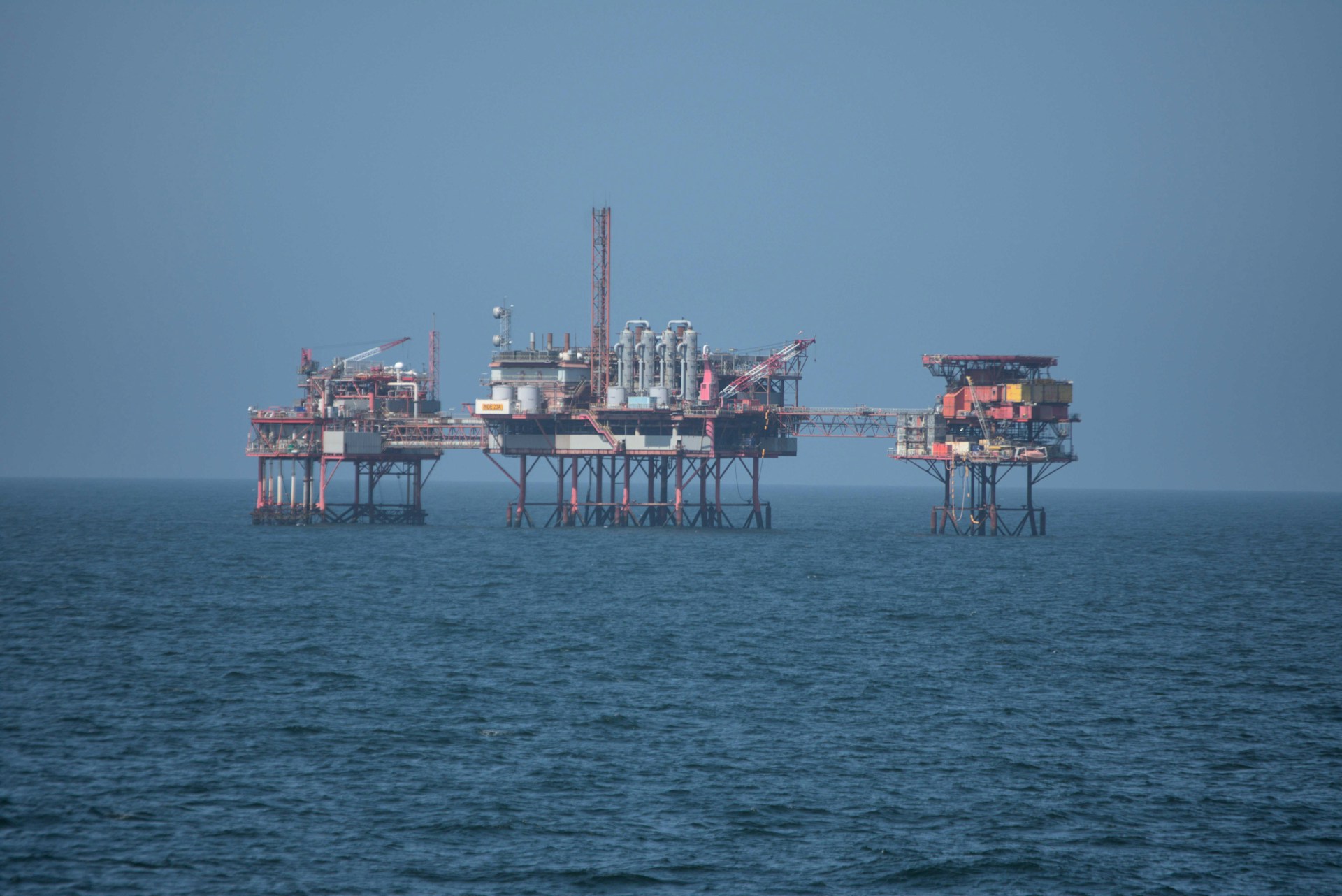
The Jackdaw gas field is set to begin supplying British homes and businesses by the end of this month after the energy secretary agreed that the regulator could grant consent for production.
The project is expected to increase domestic gas production by around six per cent at its peak, support the UK’s energy security for up to 11 years, protect hundreds of jobs and add an estimated £2.9 billion to the economy.
Energy Secretary Miatta Fahnbulleh said the decision followed careful consideration of all relevant factors and was compatible with the UK’s legally binding climate commitments.
The UK government said the project would help reduce reliance on imported higher-emission fuels while the UK transitions to renewable and nuclear energy.
Chancellor John Healey also announced the establishment of a new Energy Wealth Fund, with an initial £2bn injection. The fund will reinvest North Sea oil and gas tax revenues in renewable and low-carbon energy projects, supporting investment, job creation and the transition to net zero.
Prime Minister Andy Burnham said the decision would help keep millions of homes warm and protect jobs, adding that the UK would continue to require oil and gas for decades.
The government said the approval was consistent with its commitment not to issue new licences for exploration in new fields while managing existing fields throughout their lifespan.
The decision follows the Supreme Court’s 2024 ruling in the Finch case, which requires North Sea operators to assess the environmental impact of burning extracted oil and gas.
Katherine May, head of Oxfam Scotland, said: “The prime minister promised to rise to the climate challenge. Instead, he’s folded like a deckchair at the first sign of pressure from an industry whose ballooning bank balances depend on keeping us hooked on fossil fuels.”
Tomas Karger, a partner in the Aberdeen energy team and a patent attorney at intellectual property law firm Marks & Clerk, said: “The technical solutions pioneered on projects like Jackdaw, which is reported to be among the lowest-emission developments in the UKCS, will serve as a vital blueprint for energy projects worldwide. This expertise can be exported globally, potentially creating new jobs and reducing emissions on a global scale.
“Additionally, connecting Jackdaw to existing infrastructure represents a complex engineering task. The field will export multi-phase well stream fluids to the existing Shearwater hub via a 30 km subsea pipeline for onward processing. Operating and maintaining such an uncrewed platform relies on innovative automated remote systems that cut carbon emissions and significantly improve safety outcomes. Working in the ultra-high pressure and high temperature (uHP/HT) reservoir conditions of the Jackdaw gas field while retrofitting legacy hubs like Shearwater requires advanced pipe-in-pipe tie-back architecture, digital twin modelling, sensor integration, and predictive software.
“Approval of the Jackdaw field positions the UK offshore supply chain at the direct forefront of low-emission field development. By developing, deploying, and protecting the necessary innovative subsea, digital, environmental, and remote automation technologies first in the North Sea, UK supply chain companies can establish proprietary IP and field-proven expertise that can subsequently be exported to global markets, securing the UK as a leader in the energy sector.”

Share this article:

Subscribe to our newsletter to not miss articles like this one:
 SUBSCRIBE