

Law Society of Scotland addresses MPs in Lord Advocate inquiry
 Reading time: 3 minutes
Any reform of the roles of the Lord Advocate and Solicitor General should be “evidence-led” and based on extensive consultation to reduce the risk of unintended consequences, the Law Society of Scotland has told MPs.
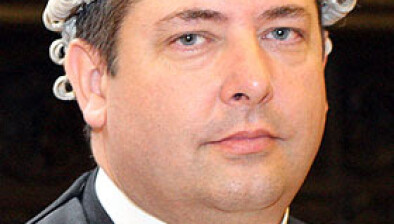
Michael Clancy, director of law reform at the Law Society of Scotland, gave oral evidence before the cross-party Scottish Affairs Committee yesterday, Wednesday 4 November, as part of its ongoing inquiry into the ‘dual role’ of the Lord Advocate.
The Law Society of Scotland has reserved its views on the question of splitting the Lord Advocate’s government legal advice and public prosecution roles pending the review under Lord Boyd of Duncansby announced by the Scottish Government.
However, the Society has encouraged the Scottish Affairs Committee to continue its inquiry as the evidence it gathers and the range of options which it explores in its report will likely be of assistance to Lord Boyd’s review.
In his evidence, Mr Clancy told MPs that the ancient office of the Lord Advocate “is an important one and there are considerable legal principles which need to be thought about as we go forward”. He urged the Committee to ensure the issue is “examined with care and examined consciously” and without foregone conclusions.
He emphasised the necessity of gathering “proper evidence about what academic thinking is, what professional organisations think, what the general public thinks” in order to produce ‘good law’ which is “cohesive, coherent, accessible and effective”, saying this would “minimise the risk of unintended consequences”.
Government ministers and legislators in both Westminster and Holyrood also have a “crucial role” to play in scrutinising any legislative proposals brought forward “to make sure that something that might have slipped by the process of consultation, the process of drafting and the process of introduction might be caught”, he added.
Mr Clancy also encouraged the Committee to consider whether the mechanism by which the Lord Advocate is recused from certain prosecutions could be strengthened by placing it on a statutory footing. Any such legislation should include “clear definitions”, including of what individuals qualify as a ‘politician’ for the purposes of recusal.
In written evidence submitted to the Committee and published last week, the Society highlighted the complexity of any reform to the various roles played by the Lord Advocate, which is referenced around 900 times in legislation.
The Society previously welcomed the announcement of Lord Boyd’s review, which followed its call over the summer for the Scottish Government to fulfil its 2021 manifesto commitment to a public consultation on potential reform.
A full recording of the Scottish Affairs Committee hearing can be viewed on Parliamentlive.tv.
The Law Society of Scotland’s written submission to the Scottish Affairs Committee can be downloaded from the Parliament website.

Share this article:

Subscribe to our newsletter to not miss articles like this one:
 SUBSCRIBE