

Dundee study warns communication can undermine criminal investigations
 Reading time: 2 minutes

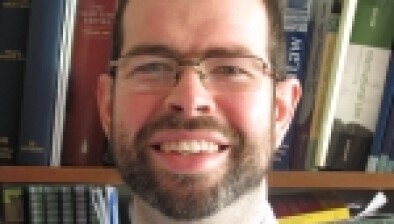
Professor Megan O’Neill
Undocumented conversations, inconsistent terminology, and exposure to unnecessary contextual information can undermine the integrity of criminal investigations, a University of Dundee-led study has found.
Research from the Horizon Europe-funded Clarus Project, spearheaded by Dundee experts, has highlighted how better communication can reduce bias, strengthen transparency, and improve the accountability of criminal investigations across Europe.
Digital forensic evidence now underpins almost every type of criminal investigation, from cybercrime and fraud to homicide and organised crime. While international forensic standards provide robust safeguards for evidence collection and analysis, the new research shows that everyday communication practices remain an overlooked source of potential risk.
The Clarus Project brought together organisations from across Europe to evaluate and improve how law enforcement and forensic scientists communicate about digital evidence, without compromising impartiality.
“Digital forensic evidence is only as reliable as the systems that support it,” said Professor Megan O’Neill, director of research for the Clarus Project at Dundee.
“Our research shows that communication is not simply an administrative process. It actively shapes how evidence is understood, interpreted, and acted upon. By recognising communication as part of forensic quality, organisations can strengthen impartiality while retaining the flexibility practitioners need to work effectively.”
Drawing on research conducted across Scotland, Finland, Greece, Czechia and Portugal, the study identified how informal, often undocumented conversations can create opportunities for bias. Inconsistent terminology and unnecessary contextual information can also unintentionally influence decision-making, reduce transparency, and make investigative processes more difficult to scrutinise.
Instead of proposing new regulations, the Clarus Project recommends practical steps for police services, forensic laboratories, judicial organisations, and policymakers, to improve tracking of informal communications, creating a lexicon of common terms for digital forensic work, and making communication a recognised part of handling evidence.
“Confidence in evidence is critical for maintaining public confidence in our justice system,” added Professor O’Neill. “This work has been a significant undertaking but as a result we have been able to identify key areas which will make an important contribution in ensuring evidence that is presented is relevant and reliable.”

Share this article:

Subscribe to our newsletter to not miss articles like this one:
 SUBSCRIBE