

Andrew Henderson: Work in store for businesses before and after election
 Reading time: 3 minutes
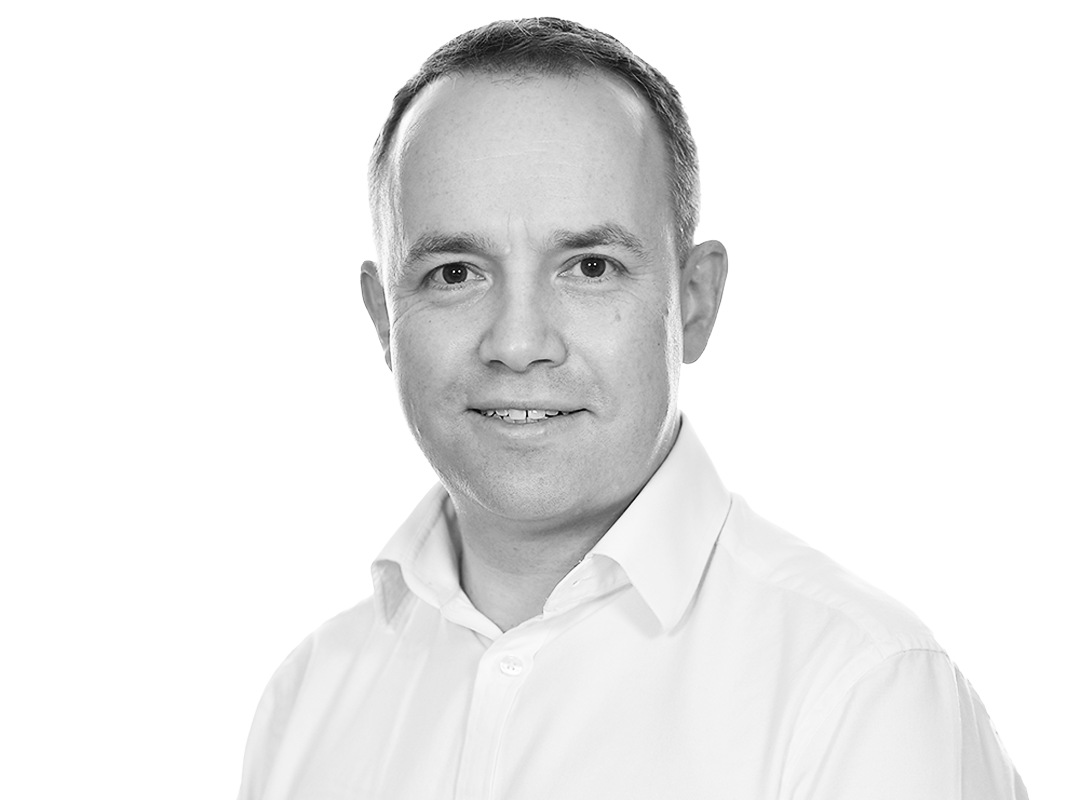
Andrew Henderson
If polling, which has broadly held steady for the last 18 months, is to be believed and the SNP is returned to Bute House as predicted, by the end of this fifth consecutive term the party will have been in power for almost a quarter of a century. The scale of such an achievement would be hard to overstate, writes Andrew Henderson.
During the party’s 19 years in office, the country witnessed a global financial crisis, two highly-polarising referenda, a global pandemic and subsequent cost-of-living crisis, and has now entered an era of heightened geopolitical risk which looks set to colour domestic affairs for many years to come.
That the SNP has prevailed through this age of permacrisis speaks in part to the party’s ability flex with the times, but also to the simple mathematics of constitutional preference.
When viewed through the lens of “Yes” supporters being largely drawn to a single party (in the constituency vote at least), and “No” voters diluted across Labour, Conservatives, Lib Dems and now Reform UK, Scotland’s new normal of sustained SNP government becomes easier to understand.
Nothing is assured until the polls close of course, and businesses are rightly preparing for multiple eventualities. Should the SNP succeed in “breaking” the Holyrood system again by returning an overall majority, as happened in 2011, then organisations should expect the new Scottish government – at some point during the term – to demand a Section 30 order to allow a second independence referendum to be held.
Irrespective of the UK government’s response to such a request, such a dynamic would invariably ensure constitutional affairs rise back up the agenda, with the views of business sought as keenly as they were back in 2014.
In the event that no single party secures a majority, then collaboration across political divides will again be required. Here, businesses seeking to gauge policy risk and opportunity can study the freshly-published set of Holyrood manifestos, the best starting point to find a signal amidst the electoral noise. These warrant attention as they offer a strong indication of the policy territories where horse-trading would take place to secure the support of smaller parties.
Businesses will also track closely the fortunes of parties who enter opposition after the election. Reform UK, from effectively a standing start, has been polling within striking distance of becoming the official opposition at Holyrood. Again, nothing is assured but such a result would impact the dynamic of the Scottish Parliament significantly, and so too the environment in which external organisations engage.
Irrespective of the final result, one thing is guaranteed though. Much shoe leather will be required from Scottish businesses, as this election will see the greatest churn in MSPs since the advent of devolution.
With over 30 per cent of all MSPs standing down, including around 40 per cent of the entire SNP group, there will soon be queues forming at the pubs and coffee shops of Holyrood, as the business world works hard to acquaint itself with a whole new generation of politicians.
With growth and productivity consistent themes across almost all manifestos, business must work hard to ensure its credentials in driving both are acknowledged, and its views acted on by policymakers.
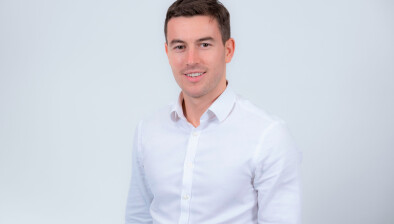
Andrew Henderson is director of public policy at Pinsent Masons

Share this article:

Subscribe to our newsletter to not miss articles like this one:
 SUBSCRIBE