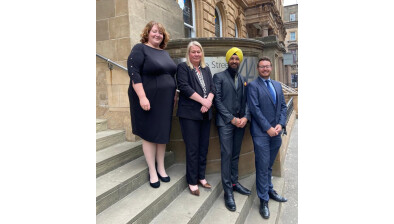


Weightmans launches anti-bullying campaign
 Reading time: 3 minutes

Tina Chander
To mark End Workplace Bullying Day this week, Weightmans has launched a campaign calling on employers to address the problem and create workplaces where harmful behaviour is recognised, challenged and stopped.
According to research commissioned by the firm, from a nationally representative survey of 1,000 UK workers, a significant two in five workers (40 per cent) have been bullied or experienced negative behaviour at work. For many workers, bullying comes from the person that they report to – almost a quarter of respondents (23 per cent) said they had been bullied by a manager or supervisor, compared to 19 per cent who said they had experienced it from a colleague. Discriminatory banter was also familiar territory: 45 per cent said it happened in their workplace, including 23 per cent who said it happened often or sometimes.
The findings also showed discrepancies across gender – women were twice as likely as men to have been bullied by a colleague, at 24 per cent compared with 12 per cent. Almost one in five women (18 per cent) reported touching that felt deliberate or uncomfortable, compared with only seven per cent of men.
The campaign also highlighted how workplace bullying doesn’t stop at the office door, with group chats and video calls coming under scrutiny. More than four in five respondents (82 per cent) considered aggressive or inappropriate voice notes to be bullying, while 81 per cent said the same about aggressive or demeaning messages through email, Teams or Slack. Almost three quarters (74 per cent) regarded a manager publicly criticising their work in a group chat as bullying.
Led by Weightmans’ employment partner and founder of End Workplace Bullying Day, Tina Chander, the campaign is calling on employers to move beyond simply having policies in place and take meaningful action to prevent workplace bullying. It aims to help organisations recognise and challenge harmful behaviours early, create cultures where respect and accountability are embedded, and give employees the confidence to speak up when something does not feel right.
Ms Chander said: “Workplace bullying can happen in a meeting, through a message or through exclusion in the workplace. Through this campaign, we want employers to look closely at everyday behaviour in their organisations, including what happens in group chats and on video calls, and understand the effect that bullying behaviours can have.
“Having a policy is a starting point, but staff also need to know how to raise a concern, feel confident they will be listened to and see that complaints are handled fairly.”
Make a pledge today by clicking here.

Share this article:

Subscribe to our newsletter to not miss articles like this one:
 SUBSCRIBE