

Wave of sex offence appeals could be just beginning, warns Thomas Ross KC
 Reading time: 5 minutes
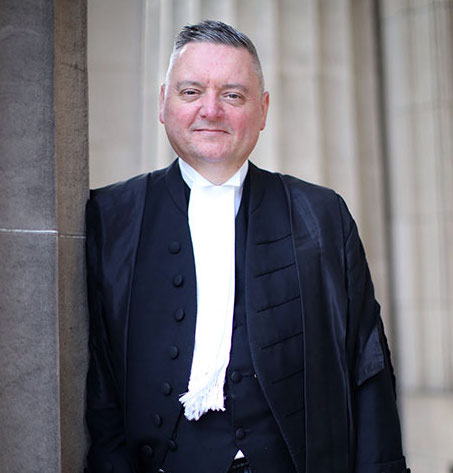
Thomas Ross KC
The 20 people convicted of rape or other serious sexual offences who have already applied to have their cases reviewed may represent only a fraction of those likely to come forward, Thomas Ross KC has warned.
The KC said the true number could turn out to be, in his words, the “tip of a very large iceberg”.
His comments follow reporting that 20 convicted individuals have applied to the Scottish Criminal Cases Review Commission (SCCRC) seeking to have their convictions overturned in light of a landmark Supreme Court ruling handed down in London last November.
Five Supreme Court justices found that the way Scottish courts had been handling certain evidence risked undermining a defendant’s right to a fair trial under Article 6 of the European Convention on Human Rights.
The case in question involved two men, David Daly and Andrew Keir, both appealing rape convictions. While their individual appeals were dismissed, the justices directed that Scottish courts needed to revise how they approach the admission of evidence in sexual offence cases going forward.
Lord Reed described the approach used since 2013 as overly restrictive in terms of what evidence could be presented to juries.
Thomas Ross KC, who has stopped accepting sex offence cases over fair trial concerns, argued that the implications extend well beyond the handful of cases reviewed so far. He pointed out that hundreds of rape and sexual assault trials have taken place in Scotland since 2013, and suggested a significant share of them may have involved the same evidentiary problems the Supreme Court identified.
Referencing Lord Reed’s language directly, the KC noted the old approach was capable of denying defendants the chance to present evidence that was clearly relevant to their case and was therefore capable of breaching fair trial protections.
“I am surprised that only 20 applications have been submitted to the SCCRC,” he told The Herald, adding that he suspects the figure represents only the sharp tip of a much bigger problem.
Mr Ross was among the earliest senior defence advocates to raise public concerns about how evidence rules in sexual offence trials were being applied in Scotland. Speaking a year earlier, in July 2025, he described situations where a complainer had been shown to have lied about a material fact, yet the defence had not been permitted to raise that with the jury.
Often referred to as “rape shield” provisions, Sections 274 and 275 of the Criminal Procedure (Scotland) Act 1995 govern how evidence about a complainer’s sexual history or character can be used in court. The rules exist to shield complainers from irrelevant, intrusive, or distressing lines of questioning: Section 274 bars the defence from using such evidence unless a specific exception is granted under Section 275.
Since the ruling, Scotland’s justice system has been working through its implications for past convictions as well as ongoing and future cases. MSPs began examining the fallout in the last parliamentary session but ran out of time to question the justice secretary and then-Lord Advocate Dorothy Bain KC before them.
In a letter to Holyrood’s former criminal justice committee, Bain warned that complying with the ruling would likely mean complainers face more intrusive questioning about their personal lives, with intimate details potentially being placed before juries in a way that would have been less likely under the previous rules. She also noted that complainers may need to be reinterviewed as part of defence applications under Section 275, and warned this could cause distress and uncertainty, compounded by likely delays to proceedings. The committee has said it plans to raise the issue with its successor, which has yet to set its work programme.
The SCCRC has said it is developing a strategy to manage an anticipated rise in applications from people convicted of sexual offences, noting on its website that the ruling opens the door to reconsidering convictions dating from 2013 to 2025, and that it expects the number of people potentially affected to be substantial.
Rape Crisis Scotland’s external affairs manager, Nicola Love, has cautioned that a lodged application does not guarantee an appeal will proceed or succeed, but acknowledged that survivors now face considerable uncertainty through no fault of their own, and stressed the importance of resolving individual cases as quickly as possible.
She noted the Supreme Court was clear that how character and sexual history evidence is assessed must change, but was equally clear that this does not mean all such evidence should now be admissible.
Stuart Munro, convener of the Law Society of Scotland’s Criminal Law Committee, noted that the Supreme Court’s judgment followed concerns jointly raised by the Law Society and the Faculty of Advocates about how evidence admissibility rules were being applied in Scottish courts.
Given the issues involved are far from straightforward, he said it was unsurprising that a number of convicted individuals have since asked the SCCRC to review their cases.

Share this article:

Subscribe to our newsletter to not miss articles like this one:
 SUBSCRIBE