US sanctions ICC in bid to cripple international court
 Reading time: 3 minutes
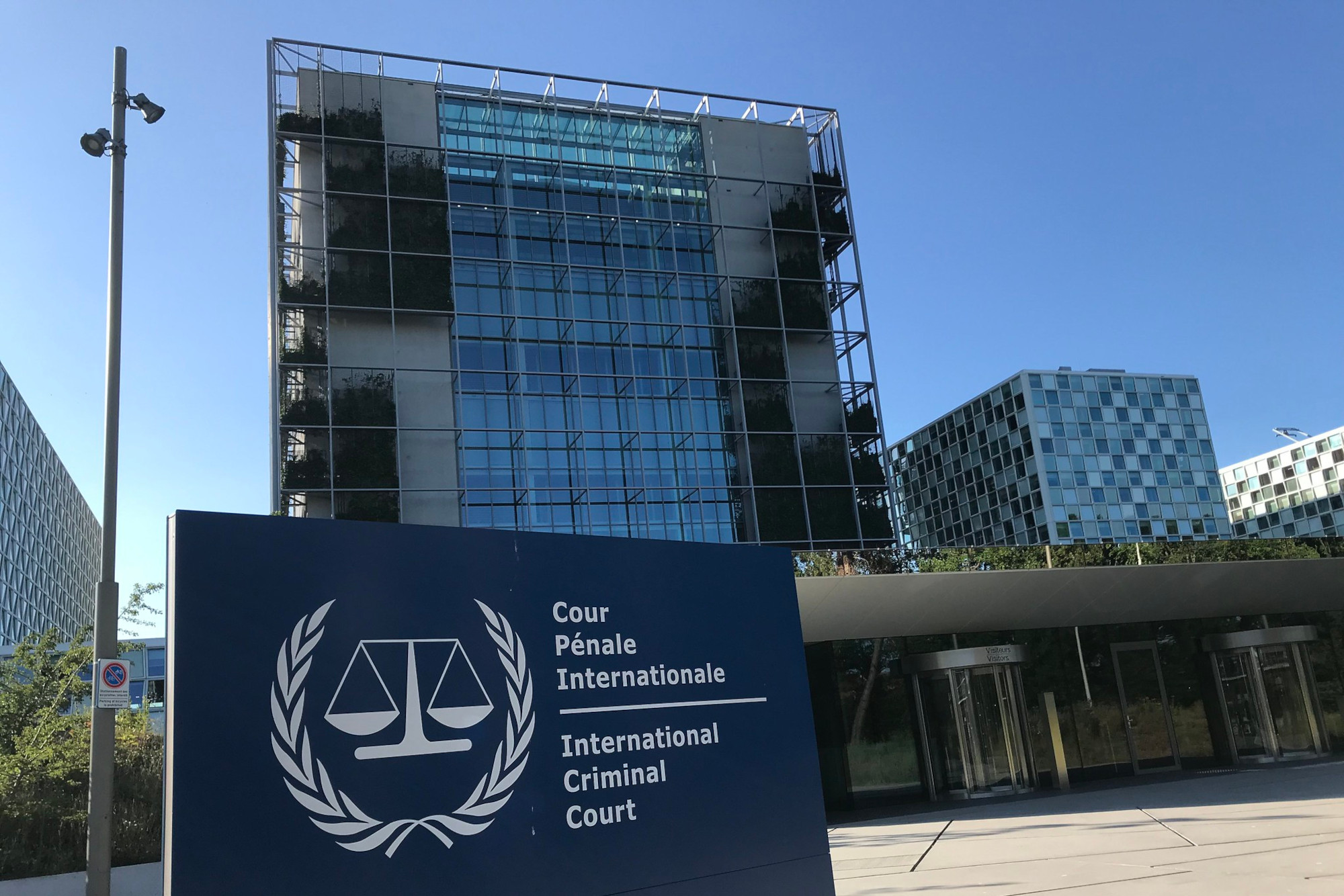
Credit: Greger Ravik (CC BY 2.0)
The Trump administration has imposed sweeping sanctions on the International Criminal Court (ICC), escalating its campaign against an institution it regards as a threat to American sovereignty.
US Secretary of State Marco Rubio said the measures, which prohibit US entities from conducting transactions with the court, were intended to “defend US sovereignty”. He warned: “Either the ICC will end its threats, or we will end the ICC.”
The ICC condemned the sanctions as “an assault on the rule of law” and the foundations of the international legal order, insisting it “will not be deterred”.
Last week’s announcement came hours after former ICC judge Navi Pillay was awarded the 2026 Nobel Peace Prize for her work promoting peace and international law.
Washington has already sanctioned 17 ICC judges and officials. The latest measures target the court as an institution, threatening its ability to operate financially. A six-month grace period will allow member states to continue funding its operations while negotiations over US concerns take place.
UN Secretary General Antonio Guterres described the decision as “a serious blow to our collective pursuit of international criminal justice, of which the ICC is a key pillar”.
The UK, Canada, Denmark, Germany, France, Italy, Japan and the Netherlands reaffirmed their “continued and unwavering support” for the court, saying they “regret and strongly disagree with” the sanctions. They praised its work bringing “those accused of the most serious international crimes to justice” and supporting victims.
Founded in 2002, the ICC prosecutes war crimes, crimes against humanity and genocide. It has 125 member states, although the US, Russia, China, India and Israel remain outside its jurisdiction.
The Trump administration objects to an investigation into US soldiers’ actions in Afghanistan, which has since been closed, and arrest warrants issued for Israeli officials, including Prime Minister Benjamin Netanyahu. Mr Netanyahu welcomed the sanctions, describing the court as a political body threatening national sovereignty.
The measures could prevent the ICC from conducting trials, potentially forcing it to release detainees awaiting trial or judgment, according to Ryan Goodman, a professor at New York University School of Law.
Among those awaiting trial is former Philippine president Rodrigo Duterte, 81, who is accused of extrajudicial killings during his “war on drugs” between 2011 and 2019.
Although the sanctions include licences permitting services for detention facilities, Professor Goodman warned that detainees might ultimately have to be released if the court could no longer conduct fair trials or appeals.
Such an outcome would be “enormously damaging to the global effort towards international justice [and] towards the Philippines”, he told the BBC.

Share this article:

Subscribe to our newsletter to not miss articles like this one:
 SUBSCRIBE