





UK government launches Troubles legacy campaign
 Reading time: 2 minutes
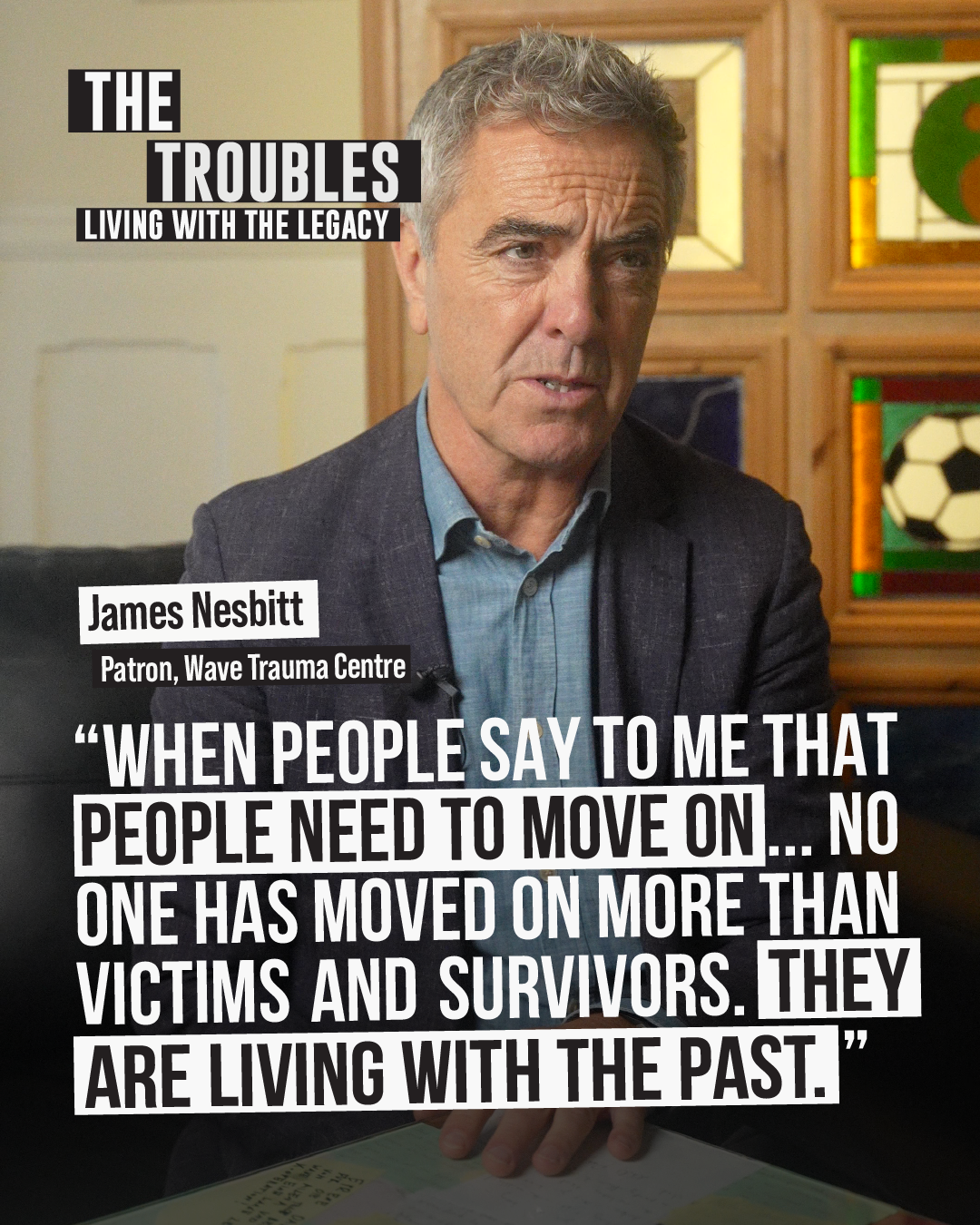
The UK government has launched a new digital video series titled ‘The Troubles: Living with the Legacy’, aimed at putting the voices of victims, survivors, and key community stakeholders across the UK at the centre of government.
The new series, which will be shared on social media, underlines the rationale behind government efforts to deliver meaningful truth, accountability and reconciliation for all affected families.
It comes as the Northern Ireland Troubles Bill returns to the House of Commons. Aimed at addressing legacy issues, the bill is intended to help all of those affected, including those who served bravely to protect law and order, to find answers about what happened to their loved ones.
The campaign draws directly on the experience of victims and service personnel, their search for answers on what happened to their loved ones and colleagues, and the path forward towards reconciliation.
Speaking on truth and accountability, Pat Molloy, whose son John Molloy, 18, was stabbed to death in a sectarian attack, said: “This is 30 years anniversary of my son’s murder. It’s important to me and my family that we get truth and honesty.”
Dr Sandra Peake, chief executive at WAVE Trauma Centre, said: “We need to deal with the legacy of the troubles. It’s the unfinished business of the peace process. And we need to be able to release families from the past. And to do that, we need to have a process that fully meets their needs and this needs to happen now.”
Northern Ireland commissioner for victims and survivors, Joe McVey, added: “Victims are not a homogeneous group. So it’s very important to respect that families will want different things - and the purpose of this legislation is to try and address all those needs.”
Featuring in the video is Northern Ireland actor Jimmy Nesbitt who is a patron for WAVE Trauma Centre. Mr Nesbitt commented: “When people say to me that people need to move on. My answer always is no one has moved on more than victims and survivors. They’re not living in the past. They are living with the past. And if it’s not resolved in legacy, that trauma will pass on to the next generation.”

Share this article:

Subscribe to our newsletter to not miss articles like this one:
 SUBSCRIBE

