


Scottish police handling of fingerprints to be reviewed
 Reading time: 3 minutes
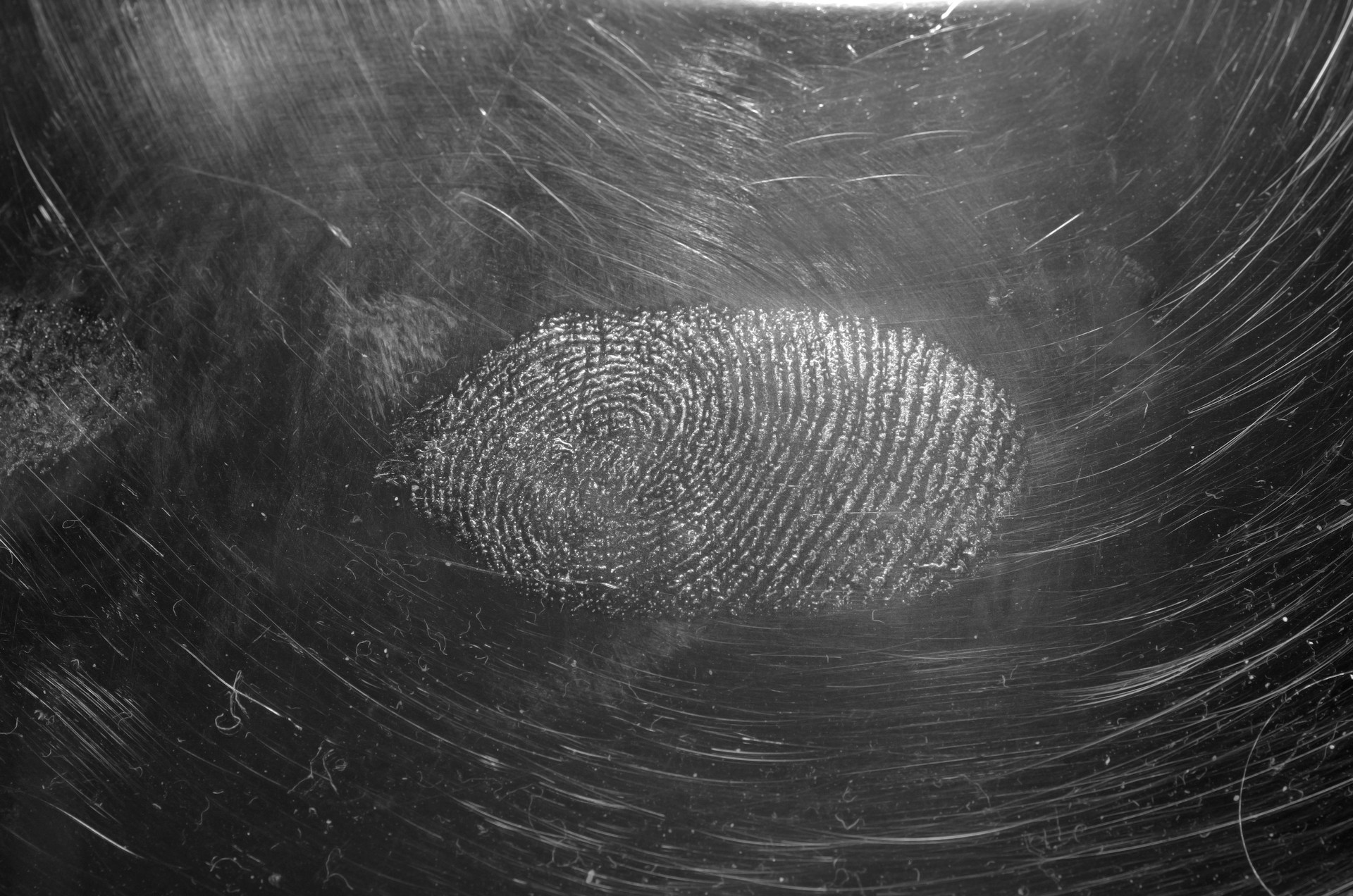
A review of the collection and use of fingerprints by police in Scotland is to be carried out by next spring.
Dr Brian Plastow, the Scottish Biometrics Commissioner, announced the review today as he set out his strategic plan for the next four years.
Alongside projects to promote public awareness on the use of biometrics in policing, he has given details of four in-depth assurance reviews.
They will look at areas including a review of the policy and practice in relation to the images and voice data obtained by Police Scotland from electronic devices including phones, computers and smart watches, and the retrieval and analysis of audio, video and photographs from crime scenes or postmortems.
They will also look at the collection and use of data from the body worn cameras worn by Police Scotland officers and staff.
The first review, set to be published next spring, will focus on the acquisition, retention, use and destruction of fingerprints for criminal justice and police purposes.
Dr Plastow said: “Biometric data such as fingerprints and photographs have been used in policing and criminal justice in Scotland as a means of verification, identification and exclusion for more than one hundred years.
“In the last decade there has been an exponential growth in the range of new biometrics, and a proliferation of databases operating and exchanging biometric data, including the application of artificial intelligence (AI) to develop algorithms for biometric matching.
“These issues raise important questions for society, including how best to balance our need for public safety and security with broader privacy, ethical, human-rights, and equality considerations.
“The principles of proportionality and necessity, and the long-established principle of policing by consent in Scotland, suggest the need to be careful about the extent of future encroachment.
“The areas in which we propose to conduct our thematic assurance reviews are linked to our duty to support and promote, and take cognisance of areas of risk with a preventative focus.
“With our strategic plan we aim to deliver measurable outcomes that support public safety, protect individual rights, and uphold the integrity of biometric practices across Scotland.”
The launch of the strategic plan follows the publication last month of a review of the Scottish Biometrics Commissioner’s code of practice.
The review report noted a number of significant events that played a part in the creation of the Scottish Biometrics Commissioner post.
This included the Scottish Fingerprint Inquiry, which was set up by the Scottish government in 2009 in the wake of the high-profile HM Advocate v Shirely McKie court case which undermined confidence in the integrity of fingerprint identification techniques.
The inquiry served as a catalyst for the accreditation of forensic science techniques, and for establishing the sterile corridor between the police and scientific investigation that is a feature of the current crime scene to court model in Scotland.

Share this article:

Subscribe to our newsletter to not miss articles like this one:
 SUBSCRIBE