
Scotland’s trauma community comes together to strengthen support after serious injury
 Reading time: 3 minutes
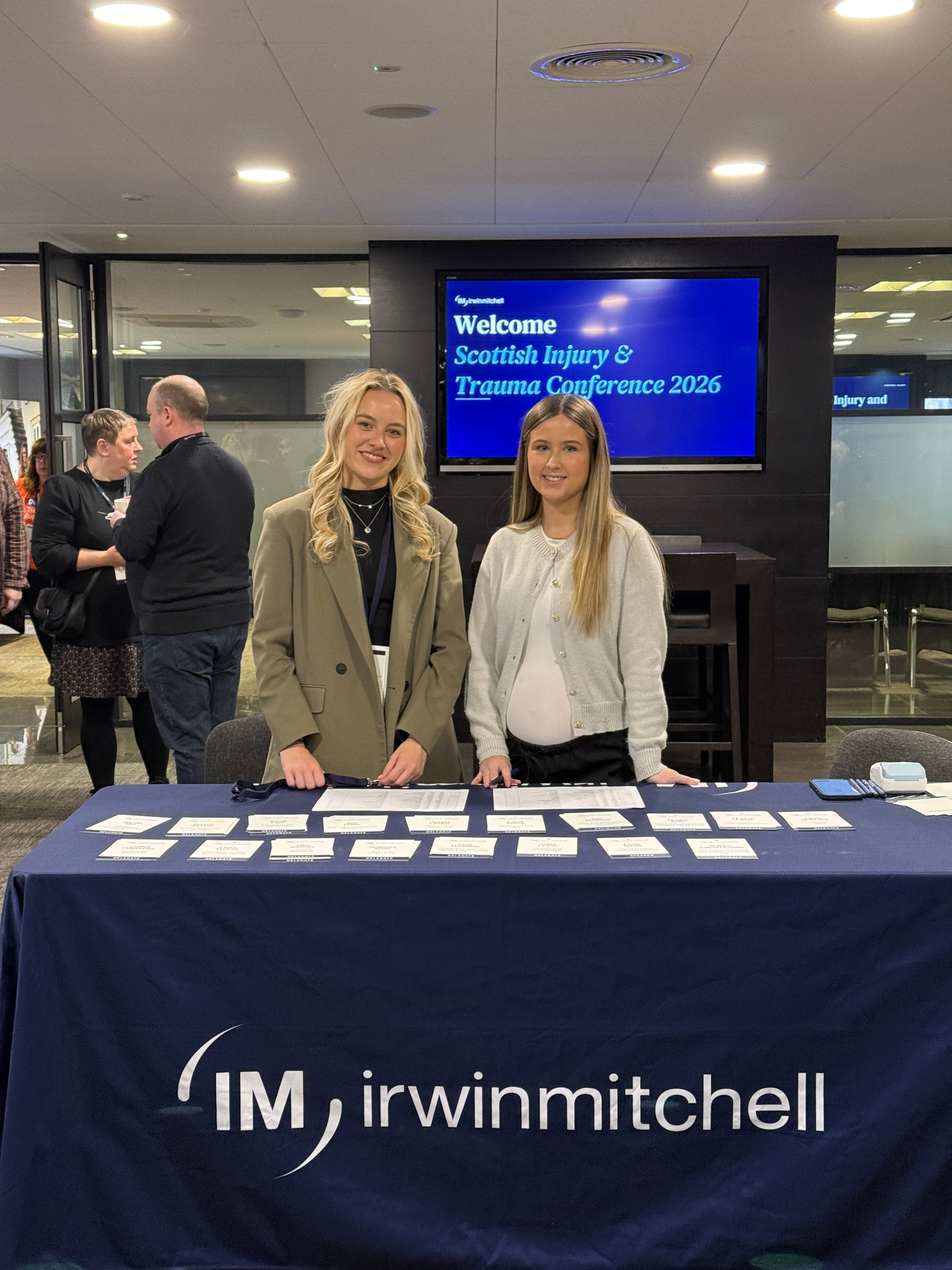
Professionals from across Scotland’s trauma community gathered in Glasgow to share expertise, strengthen connections and explore how more joined-up support can improve outcomes for people and families effected by serious injury.
Clinicians, charities, rehabilitation and legal specialists attended the inaugural Scottish Injury and Trauma Conference to discuss how the country’s professionals can adopt a more cohesive approach.
The event was hosted by Irwin Mitchell Scotland and led by partners Amy Gannon, head of serious injury and Kim Leslie, head of personal injury, focusing on the theme of the day: whole team, supporting the whole person, working in a woven way.
Ms Leslie said: “Trauma doesn’t end when someone leaves hospital.
“People who are drowning in physical or emotional pain should not be expected to navigate an extremely complex system alone when they need support, nor should they have to relieve aspects of their trauma each time they speak to a different organisation.
“Professionals know enough information about what is going on outside of their own silo to be able to broker introductions and make that process easier.”
Ms Gannon said: “A serious injury does not divide neatly into medical, rehabilitation, psychological, social and legal issues. Some of the best outcomes are achieved when we look beyond our individual roles, understand how our work fits into the bigger picture and communicate properly with one another.”
“We are all trying to achieve the same thing: helping somebody who has experienced a life-changing event to achieve the best possible outcome and quality of life.”
Backing this sentiment was Jessica Mulholland, a client of the firm, who shared her own lived experience after suffering a life and limb altering injury.
She described how she suffered a complex limb-threatening injury in March 2020 while cycling to work and how gaps in services have made her recovery more challenging.
Ms Mulholland said: “I hope people can recognise how isolating trauma can be, and how everyone who touches a service user’s journey has a role in reducing those feelings of isolation and overwhelm, while also fostering their independence.
“I had my accident in March 2020, at the very beginning of the COVID lockdown. Afterwards, I fell through every crack in the system, so recognising early on if there’s an early intervention you can do with a charitable organisation or find ways to focus on getting better, which is the primary job, is really important.”

Share this article:

Subscribe to our newsletter to not miss articles like this one:
 SUBSCRIBE