


Robert Burns’ Ellisland Farm to be restored
 Reading time: 3 minutes
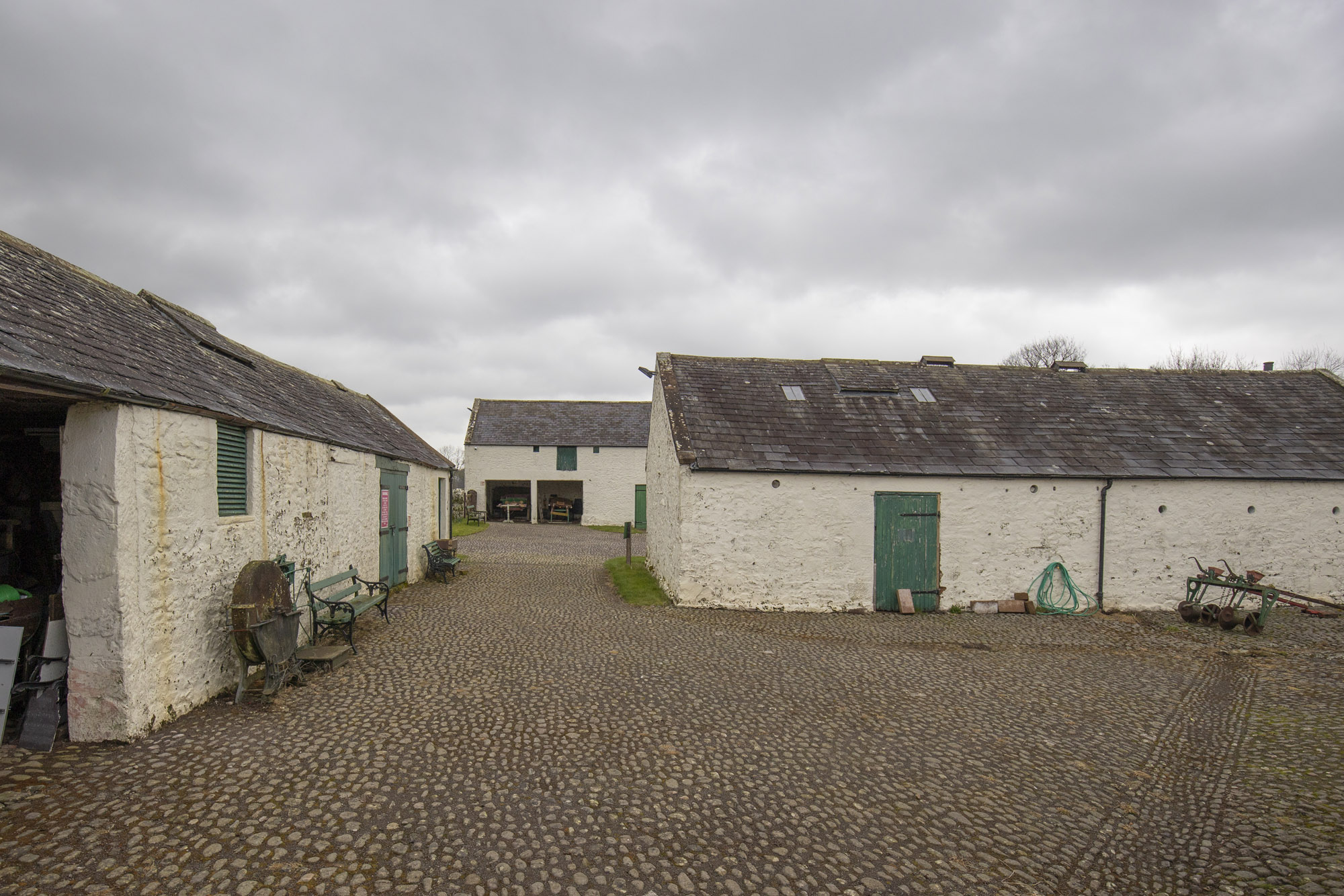
Ellisland today looking to Burns Barn from the cafe (Image credit: Mike Bolam)
The campaign to save Ellisland Farm, the Dumfriesshire home where Robert Burns wrote Auld Lang Syne, Tam o’ Shanter and almost a third of his life’s work, has taken a major step forward after Dumfries and Galloway Council approved plans by conservation architects Collective Architecture to restore and renew the historic site.
Ellisland is the only home Robert Burns ever designed and built. He chose the site himself and arrived in 1788 with his new wife Jean Armour. The Category A-listed farmstead is considered a national treasure because it remains largely unmodified, but condition surveys have identified urgent structural deterioration, making the need for restoration pressing.
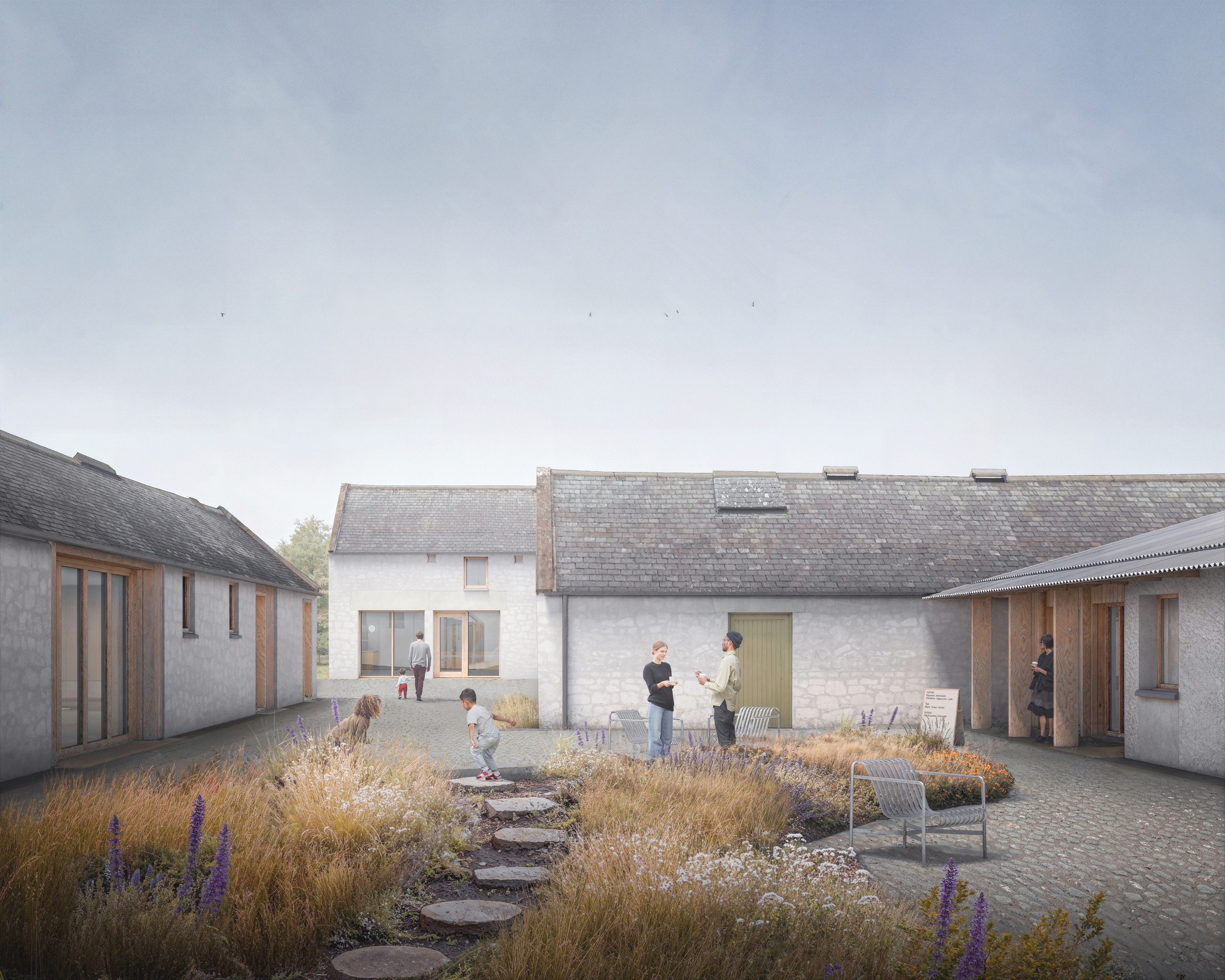
The proposed view after restoration (Image credit: Axson/Robert Burns Ellisland Trust)
Now approved by the council, the plans will reverse historic damage to the buildings, provide secure climate-appropriate storage for the museum’s collection of manuscripts and artefacts, and restore Burns’s original cottage by removing modern additions and returning it to its 1791 condition.
Joan McAlpine, project director of the Robert Burns Ellisland Trust, said: “This is a major milestone in the race to Save the Home of Auld Lang Syne. It reflects our architect’s commitment to the sensitive development of one of the most important historic sites in Scotland. We can move now ahead with our vision to create a world leading heritage and cultural centre in the place Burns chose as ‘sweet poetic ground’.”
The project’s focus is on conserving the original A-listed 18th-century buildings. The Trust’s ambition is to replicate what Burns would have seen when arriving at his home back in 1791.
The design intent is to make Ellisland feel like a place where history is lived, rather than displayed. It is not suggested as a single-attraction building, but as a sequence of experiences – arrival, orientation, courtyard heart, intimate domestic spaces, working farm structures, river and woodland edges – which are woven together through interpretation and landscape.
New visitor accommodation on the 140-acre site will generate income to sustain the heritage. Overlooking the Nith, the units will be hidden from the farm and inspired by the tiny “hermitage” bothy where Burns would retreat to write among nature.
The interventions provide an opportunity for Ellisland to:
- secure the future of the Category A-listed farmstead through fabric repairs
- allow visitors to enjoy the historic and natural assests of the site
- tell the unique storey of Robert Burns and his life at Ellisland
- increase tourism, revenue and employment opportunities through the attraction.
Emma Fairhurst, conservation architect at Collective Architecture, said it was a privilege to lead the design team for Ellisland Farm. She added: “Securing planning and listed building approval for the proposals at the Ellisland Farm represents a significant milestone for the project.
“We have worked closely with the Robert Burns Ellisland Trust to shape a design firmly rooted in the desire to carefully conserve this site of outstanding heritage significance, whilst also sensitively integrating contemporary additions that will create an enhanced visitor experience and lasting legacy for Ellisland.”

Share this article:

Subscribe to our newsletter to not miss articles like this one:
 SUBSCRIBE