


North Korea: People executed for watching South Korean TV
 Reading time: 5 minutes
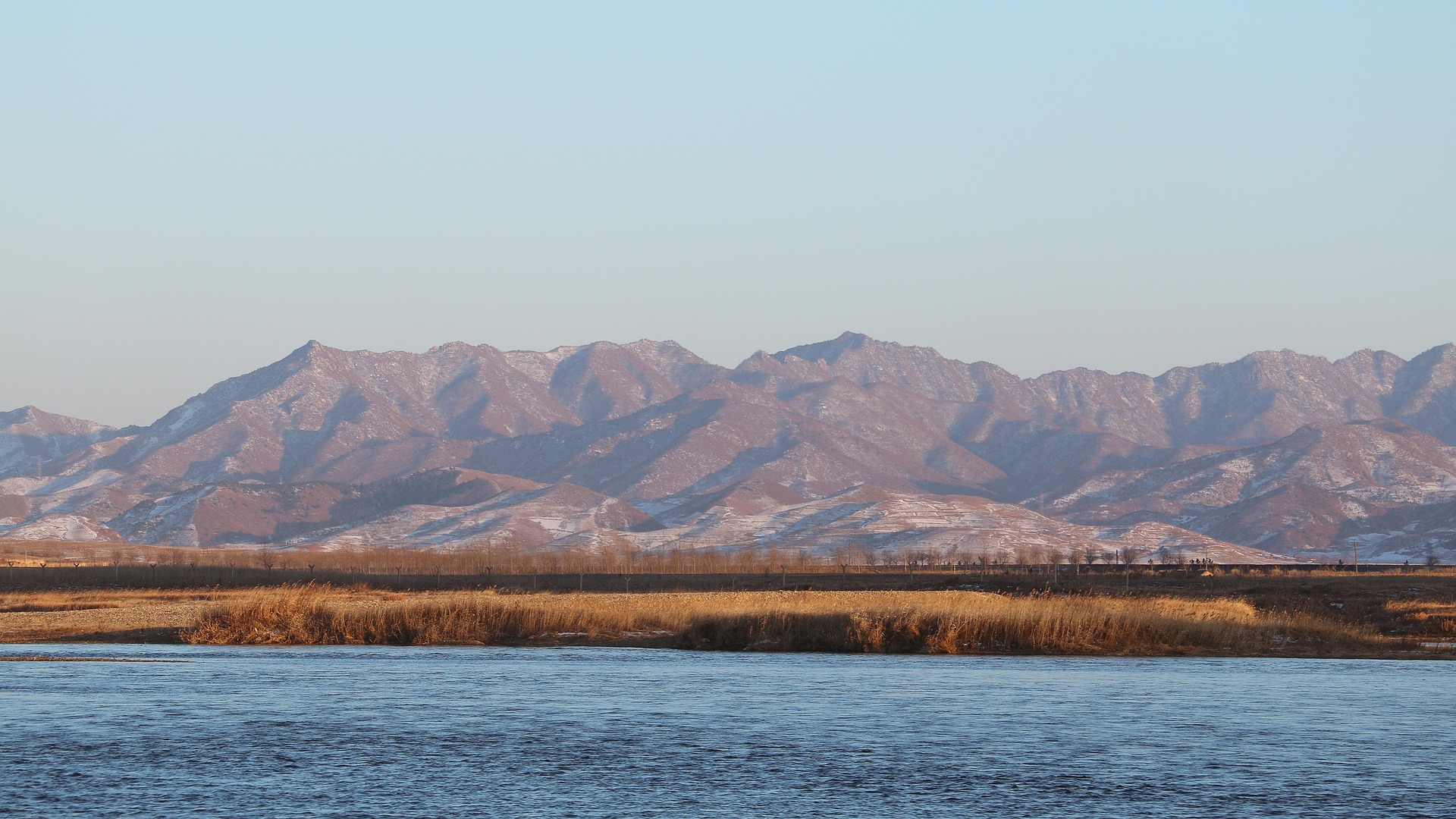
North Koreans caught watching South Korean television shows face public humiliation, years in labour camps or even execution – with the harshest punishments for those too poor to pay bribes, according to testimony given to Amnesty International.
North Koreans who fled the country have told Amnesty of an arbitrary and corrupt system where secret consumption of South Korean TV is widespread but the penalties for violating vaguely worded “culture” laws banning foreign media are determined largely by wealth and connections. Many of those interviewed recounted living in constant fear of home raids and arbitrary detention, while some said they were forced to watch public executions as schoolchildren as part of their “ideological education”.
“These testimonies show how North Korea is enforcing dystopian laws that mean watching a South Korean TV show can cost you your life – unless you can afford to pay,” said Sarah Brooks, Amnesty International’s deputy regional director.
“The authorities criminalise access to information in violation of international law, then allow officials to profit off those fearing punishment. This is repression layered with corruption, and it most devastates those without wealth or connections.”
Amnesty International conducted 25 in-depth individual interviews with North Korean escapees in 2025. The group included 11 individuals who fled North Korea between 2019 and 2020, with the most recent departure in June 2020. Most were aged between 15 and 25 at the time of their escape. Covid-19 border closures have made escapes extremely rare since 2020.
North Korea has long maintained one of the world’s most restrictive information environments. Testimony gathered by Amnesty International describes how accessing foreign culture or information was being actively punished, including by execution, at least before 2020.
The introduction of the 2020 Anti-Reactionary Thought and Culture Act, which defines South Korean content as “rotten ideology that paralyzes the people’s revolutionary sense”, enables such severe punishments to persist. The new law mandates between five and 15 years of forced labour for watching or possessing South Korean dramas, films or music and prescribes heavy sentences including the death penalty for the distribution of “large amounts” of content or for organizing group viewings.
Despite the severe risks, interviewees described a society in which consumption of South Korean and other foreign media are widespread. Dramas and films are commonly smuggled in on USB drives from China, which young North Koreans watch on “notetels” – notebook computers with built-in televisions.
North Koreans who fled the country between 2012 and 2020 told Amnesty International that people commonly watched South Korean TV knowing that they risked extreme punishment, but also that it was possible to escape the worst penalties if you were able to pay.
“People are caught for the same act, but punishment depends entirely on money,” said ‘Choi Suvin’, 39, who left North Korea in 2019. “People without money sell their houses to gather $5,000 or $10,000 to pay to get out of the re-education camps.”
‘Kim Joonsik’, 28, was caught watching South Korean dramas three times before leaving the country in 2019, but avoided punishment because his family had connections to officials.
“Usually when high school students are caught, if their family has money, they just get warnings,” he said. “I didn’t receive legal punishment because we had connections.”
But he said three of his sisters’ high school friends received years-long sentences in labour camps in the late 2010s for watching South Korean dramas. Their families could not afford bribes. When Kim’s own sister was arrested, the family paid $9,000 to secure her release before the case progressed to formal charges.
For decades, North Korea’s government has reportedly deployed a specialized law enforcement unit to crack down on foreign media consumption. Referred to as the “109 Group”, the unit conducts warrantless home and street searches of bags and mobile phones. Fifteen interviewees from different regions mentioned the 109 Group to Amnesty, indicating a nationwide, systematic approach to enforcement of these restrictive laws.
Interviewees said security officials actively solicit bribes from people arrested for consuming foreign media, and from their families. One escapee who had been caught watching foreign media quoted members of the 109 Group telling them: “We don’t want to punish you harshly, but we need to bribe our bosses to save our own lives.”
The arbitrary and discriminatory enforcement of laws is systematic. Officials who most likely consume South Korean media themselves arrest and prosecute others for identical conduct. One interviewee described the open secret: “Workers watch it openly, party officials watch it proudly, security agents watch it secretly, and police watch it safely. Everyone knows everyone watches, including those who do the crackdowns.”
Amnesty International is calling on the North Korean government to respect and protect freedom of expression, including the right to access information, and urgently repeal all laws that unjustly criminalise access to information, including the Anti-Reactionary Thought and Culture Act. It must abolish the death penalty for all offences, and as a first step urgently establish an official moratorium on all executions, including public executions. Children, in particular, must be protected from the cruel exposure to public executions.
Ms Brooks said: “This government’s fear of information has effectively placed the entire population in an ideological cage, suffocating their access to the views and thoughts of other human beings. People who strive to learn more about the world outside North Korea, or seek simple entertainment from overseas, face the harshest of punishments.
“This completely arbitrary system, built on fear and corruption, violates fundamental principles of justice and internationally recognised human rights. It must be dismantled so that North Koreans can dare to enjoy the freedoms to which they are entitled.”

Share this article:

Subscribe to our newsletter to not miss articles like this one:
 SUBSCRIBE