

NatureScot blocks historic guga hunt on conservation grounds
 Reading time: 2 minutes
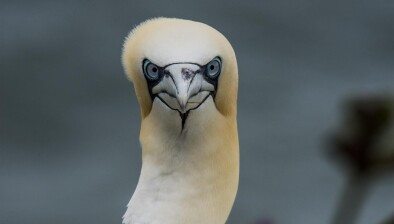
NatureScot has refused permission for Scotland’s annual guga hunt to go ahead this year, marking the first time in the tradition’s more than 500-year history that it has been halted on conservation grounds.
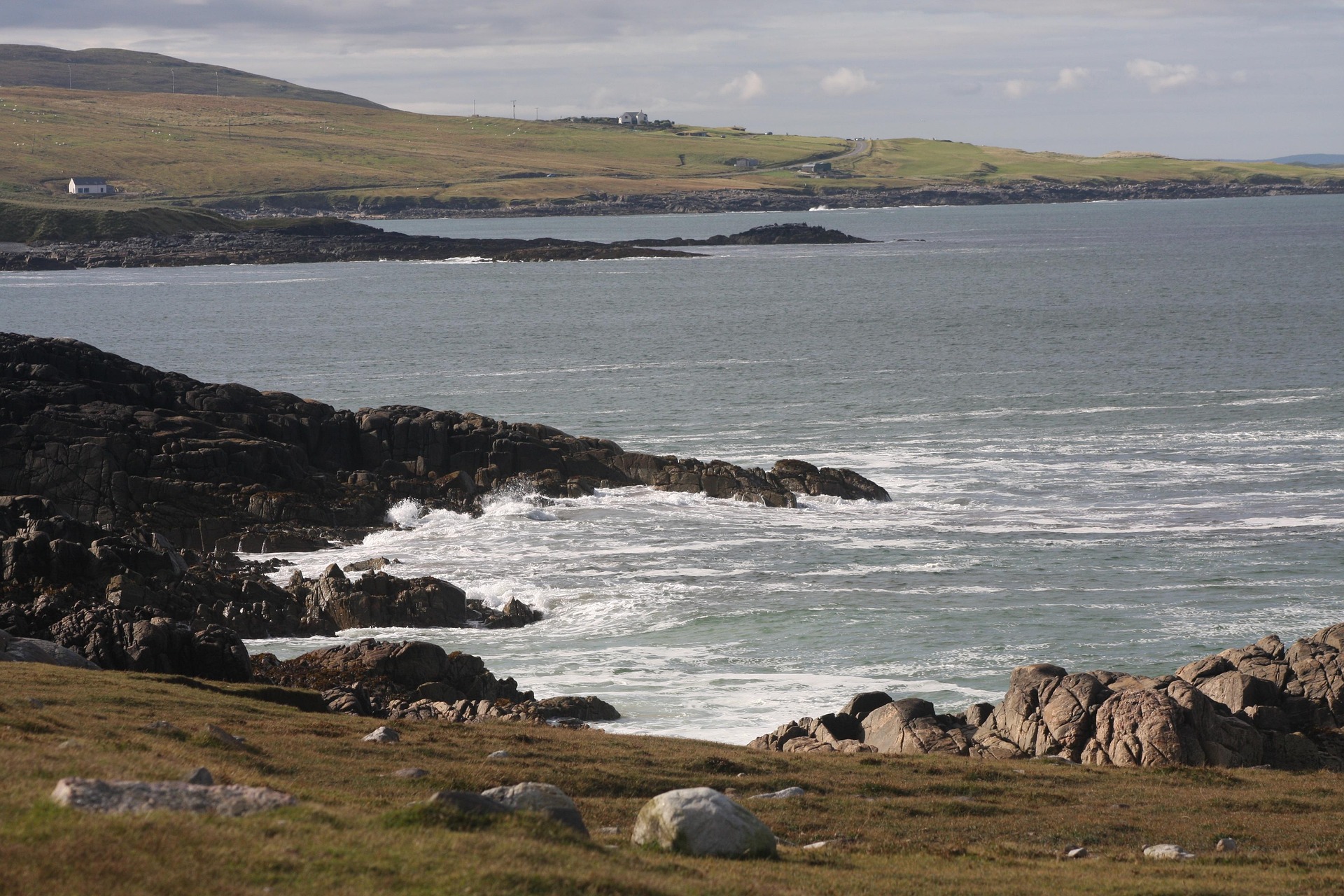
The hunt sees ten men from Ness on the Isle of Lewis travel to the remote island of Sula Sgeir each summer to harvest young gannets for food.
Although the hunt has previously been suspended during the World Wars, the Covid-19 pandemic and outbreaks of avian influenza, this is the first time consent has been denied because of concerns over the seabird population.
NatureScot said it could not prove “beyond scientific doubt” that a harvest would not “undermine the integrity” of the gannet colony on the island.
Animal welfare campaigners welcomed the decision. Devon Docherty, Scotland campaigns manager for Protect the Wild, said: “Today is a victory for compassion, for conservation and for common sense.”
The hunt resumed last year after a three-year pause following a severe outbreak of bird flu. As a precaution, the Men of Ness reduced the number of birds taken from the usual 2,000 to 500 from a colony estimated at around 10,000 breeding pairs.
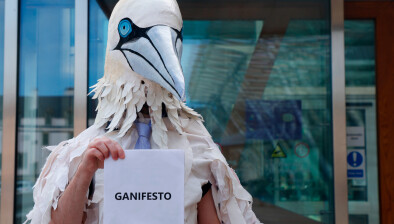
Its return prompted renewed opposition from campaigners. Wildlife photographer Rachel Bigsby launched a petition calling for the hunt to be banned, while protests led to arrests and charges, and NatureScot’s headquarters in Inverness was vandalised.
Supporters of the hunt said islanders had endured “the most toxic moment in its modern era” amid abuse directed at the Men of Ness on social media.
Campaigners have criticised the method used to kill the birds, which involves catching them with long poles fitted with a noose before delivering a blow to the head. However, NatureScot’s board was told the Scottish government’s chief veterinary officer had concluded the method was humane.
Murdo Macritchie, from Ness, described the decision as disappointing but said the community hoped changes could allow the hunt to resume next year.
“It’s obviously really disappointing what has happened,” he said.
“If we can look at any positives, though, Naturescot said the decision has been made for 2026 only.”

Share this article:

Subscribe to our newsletter to not miss articles like this one:
 SUBSCRIBE