

Lord Sales: Assimilated law raises constitutional concerns over balance of power
 Reading time: 2 minutes
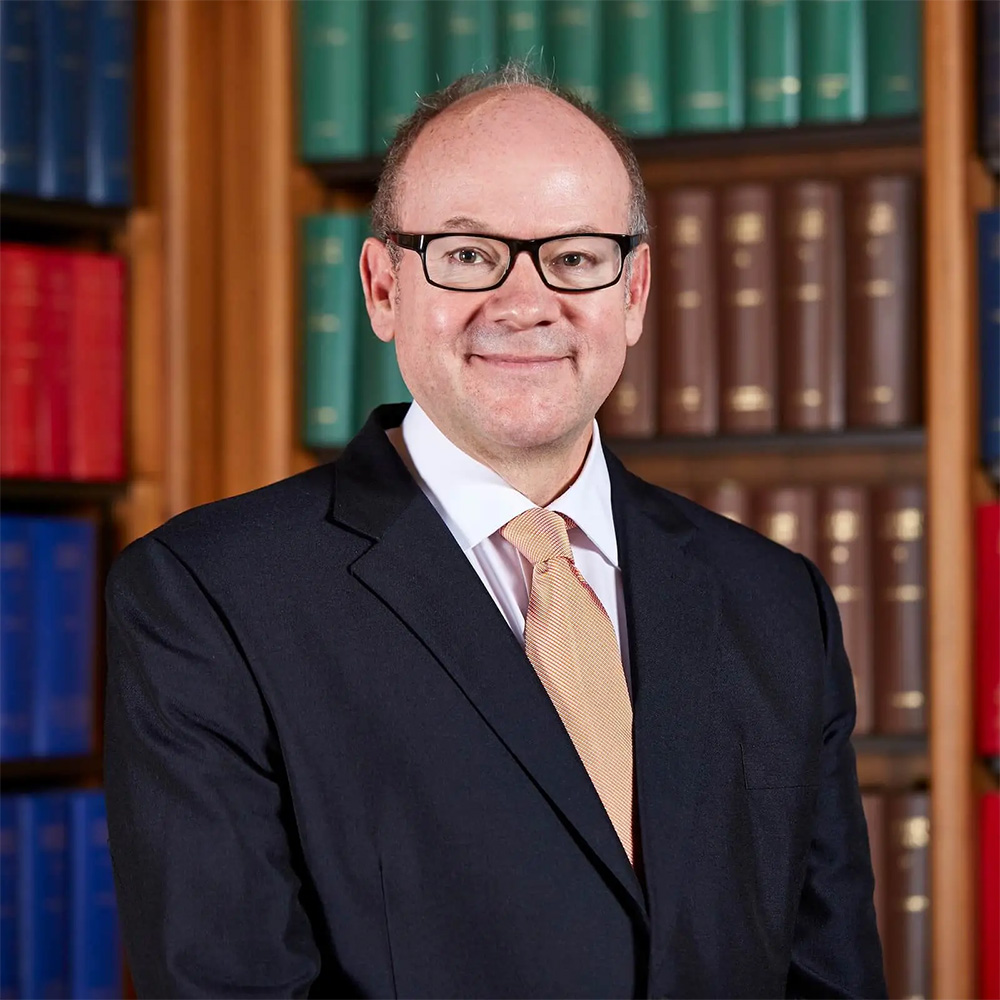
Lord Sales
A judge has used a conference address to examine the legal and constitutional complexities surrounding “assimilated law” – the domestic successor to retained EU law following Brexit.
Deputy President of the Supreme Court, Lord Sales, speaking at the Assimilated Law Conference in Oxford, outlined how the Retained EU Law (Revocation and Reform) Act 2023 transformed the earlier retained EU law framework, narrowing its scope and stripping it of the supremacy it once enjoyed over conflicting domestic legislation.
Addressing interpretation, Lord Sales argued that courts must apply a “double movement” when construing assimilated law: reading unchanged legislative text against the new UK constitutional architecture while simultaneously preserving a degree of legal continuity. He identified three levels at which legislative purpose operates, cautioning that only the most abstract “meta-purposes” of the EU legal order – such as the principle of ever closer union – should be treated as spent in the post-Brexit context.
The more pointed constitutional concern raised by Lord Sales relates to delegated legislation. The 2023 Act conferred extensive powers on ministers to amend or revoke assimilated law without primary legislation, creating what he described as a risk of important policy questions, on alignment with or divergence from EU law, being resolved with limited democratic oversight.
Lord Sales noted that the current government has paused a provision that would have encouraged courts to depart more readily from pre-Brexit CJEU case law, pending wider review of EU relations.

Share this article:

Subscribe to our newsletter to not miss articles like this one:
 SUBSCRIBE