

Lord Reed lectures on what justices do all day
 Reading time: 3 minutes
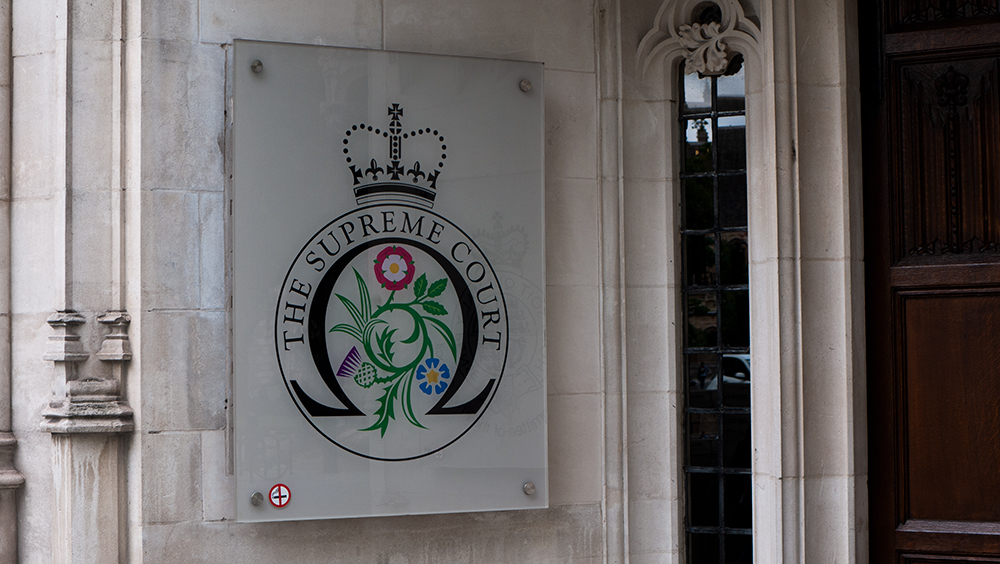
President of the Supreme Court, Lord Reed, gave the 2026 London Lecture at Lincoln Inn on March 3, answering the question “what do Supreme Court judges do all day?”
He provided a unique insight into the role, responsibilities and working methods of a justice on the UK’s highest court from the perspective of the UK’s most senior judge.
Using recent decisions as case studies, he explained how a judge decides cases, shedding light on the nature of value of legal reasoning, and on the constitutional role of the Supreme Court.
Many underestimate the length of time judges dedicate to preparing judgments, as well as the legal expertise and research that goes into each judgment. He said: “Some people think that because the court sits between 10.30 in the morning and 4 in the afternoon, those are the only hours we work.”
He added: “Judgment writing is the major part of our job. It takes a great deal of time: generally several weeks, if not months. That is because the issues we have to decide are almost invariably complex, and setting out a well-written, fully researched and convincing judgment is intellectually taxing work.”
He also offered an insight into judges’ extra-judicial work, highlighting international engagements and outreach work.
“In the past few weeks, for example, I have had meetings with the permanent secretary of the Ministry of Justice […] with the permanent secretary of the Foreign, Commonwealth and Development Office […]; and with officials from the Cabinet Office.
“Other recent meetings have included a Q&A with about 50 MPs who were visiting the court […]; a meeting with a delegation from Italy, […]; a meeting with the chief justice of India; and a bilateral meeting with judges from the European Court of Human Rights […]. Other meetings concern the court’s activities outside the courtroom: recently, for example, dealing with the appointment of judges to the court, with sittings of the court outside London, and with law reform proposals.”
He concluded with reflections on the importance of the work of the Supreme Court.
“Although the work of a Supreme Court judge is difficult and there can be a lot of it, it is a pleasure and a privilege to do it. […] We aim to provide the clarity and certainty that everyone needs to plan their affairs, and we demonstrate that we are all governed by laws that are administered openly and transparently”, he said.

Share this article:

Subscribe to our newsletter to not miss articles like this one:
 SUBSCRIBE