
IBAHRI condemns Israel’s large-scale strikes on Lebanon
 Reading time: 2 minutes

The International Bar Association’s Human Rights Institute (IBAHRI) has expressed grave concern over alleged violations of international law arising from the escalation of hostilities in Lebanon.
The IBAHRI emphasised that any political progress must be accompanied by full compliance with international humanitarian and human rights law, as well as accountability for any alleged violations.
A meeting hosted by US President Donald Trump has been presented as a step towards de-escalation, reinforcing the existing temporary ceasefire framework between Israel and Lebanon. Meanwhile the humanitarian crisis has worsened in Lebanon, with Israel continuing to demolish homes and allegedly targeting journalists.
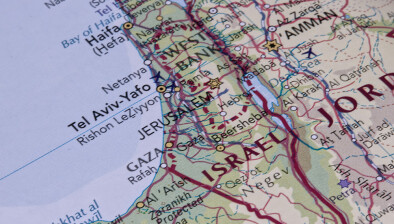
On 8 April, Israel launched its largest wave of strikes on Lebanese territory since 1980, reportedly targeting more than 100 sites across 50 locations, including the densely populated areas of Beirut and the Bekaa Valley. The escalation occurred in the broader context of the US-Israel-Iran conflict initiated in February without authorisation from the United Nations Security Council. Despite a ceasefire agreement between the US, Israel and Iran – brokered by Pakistan and announced on 7 April – Israeli officials publicly rejected the inclusion of Lebanon from the scope of the ceasefire and continued their military operations.
Mark Stephens CBE, IBAHRI co-chair, said: “The renewed diplomatic engagement following the recent White House meeting is a potentially important step towards de-escalation. However, it is critical to emphasise that ceasefire discussions or political agreements do not provide legal justification for prior or ongoing uses of force that fall outside the scope of international law.
“The reported strikes in Lebanon raise serious questions under Article 51 of the UN Charter and appear inconsistent with the strict requirements governing self-defence. These attacks reportedly occurred without warning, in potential violation of obligations to protect civilians under Article 57(2)(c) of Additional Protocol I to the Geneva Conventions.”

Share this article:

Subscribe to our newsletter to not miss articles like this one:
 SUBSCRIBE