


Glasgow museums remove Egyptian mummies from display over ethical concerns
 Reading time: 3 minutes
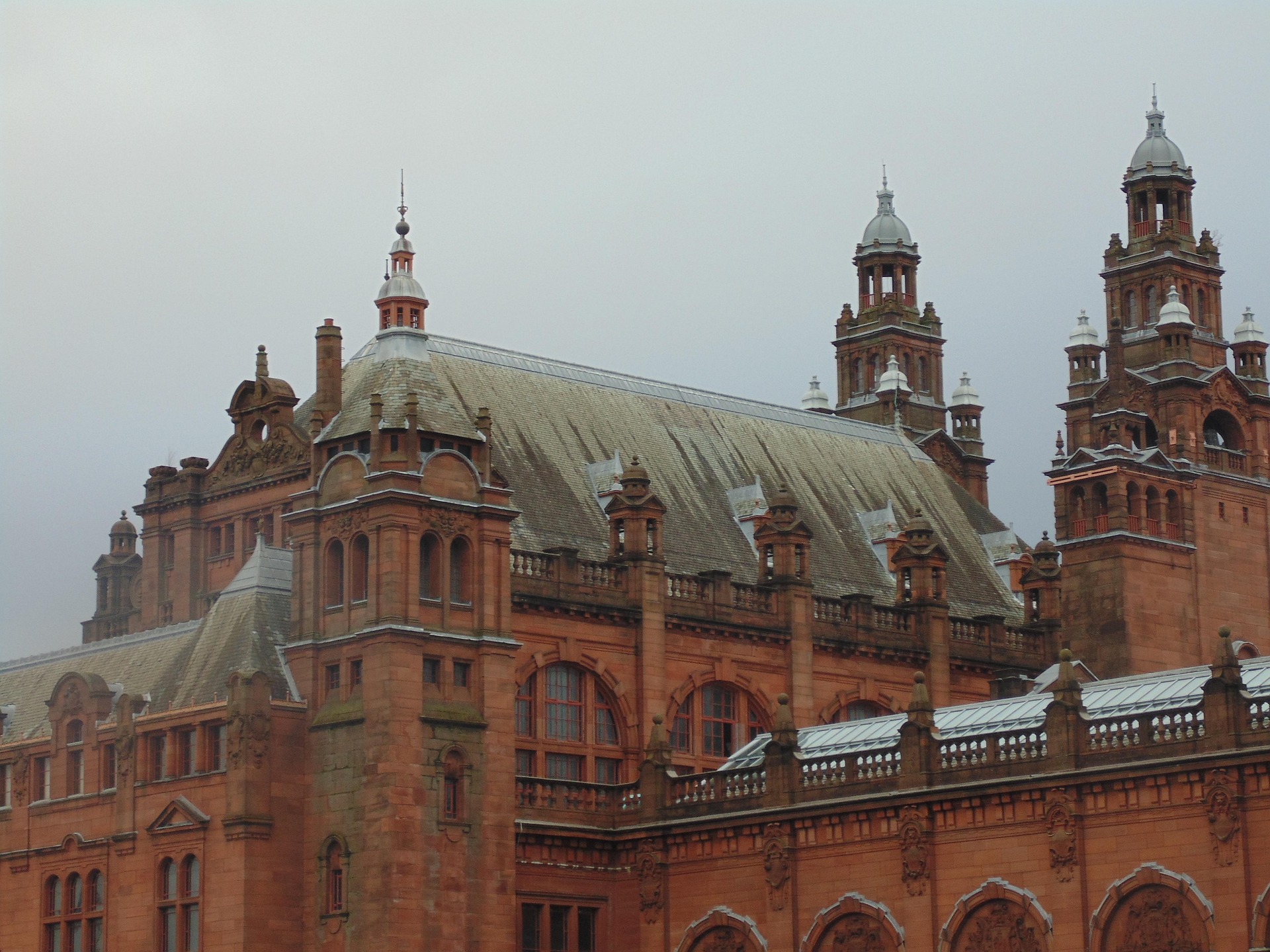
Two museums in Glasgow have changed how they display Egyptian human remains following a reassessment of their ethical responsibilities towards the dead.
Kelvingrove Art Gallery and Museum has removed the mummified remains of the priest Nekht from public view, while the Hunterian Museum has covered the body of Lady Shep-En-Hor with a specially designed textile.
The decisions follow a revision of the International Council of Museums’ (Icom) code of ethics, which recommends that museums uphold the “inherent dignity” of human remains. However, institutions retain discretion over how the guidance is implemented.
Glasgow Life, which manages Kelvingrove, said it had withdrawn Nekht’s painted coffin and remains in the absence of consent from the deceased or their descendants. Nekht is thought to have lived between 1985 and 1797 BC. His remains were excavated at Beni Hasan in Middle Egypt in the early 20th century and donated to Glasgow in 1923.
The museum has also removed a mummified male head, right foot and right hand recovered from the Valley of the Kings in Luxor.
A Glasgow Life spokesperson said the decision “reflected contemporary museum practice”. A draft human remains policy would propose displaying such remains only “where there is documented and informed consent from the deceased individual or, in appropriate circumstances, their descendants”.
The spokesperson added: “We believe removing ancient Egyptian human remains from display is more respectful to the deceased individuals.”
The Hunterian, managed by the University of Glasgow, said consultation with Egyptologists had led it to conclude that Lady Shep-En-Hor “deserved privacy in death”. Her ornate sarcophagus, which has been displayed almost continuously since 1820, will remain on view as an example of ancient Egyptian funerary art.
The museum said Lady Shep-En-Hor’s remains had never been removed from the coffin, although they had undergone X-rays and CT scans in the past 50 years. Questions have also been raised over whether the remains are actually hers, as 19th-century excavators sometimes transferred bodies between coffins.
National Museums Scotland, meanwhile, said it was not considering changes to the display of human remains in its collection, which includes Scottish archaeological remains and mummies from Egypt and Peru.
Professor Steph Scholten, a member of Icom’s ethics committee, said the code was guidance rather than a requirement to reach a particular outcome.
He said: “What the code of ethics puts forward is that these topics need careful consideration and decision making, they do not suggest one fixed outcome. Kelvingrove and The Hunterian have come to slightly different outcomes about our displays.
“The code of ethics does not prescribe that all human remains should be taken of display.”

Share this article:

Subscribe to our newsletter to not miss articles like this one:
 SUBSCRIBE