
Eleven baronies registered last year
 Reading time: 3 minutes
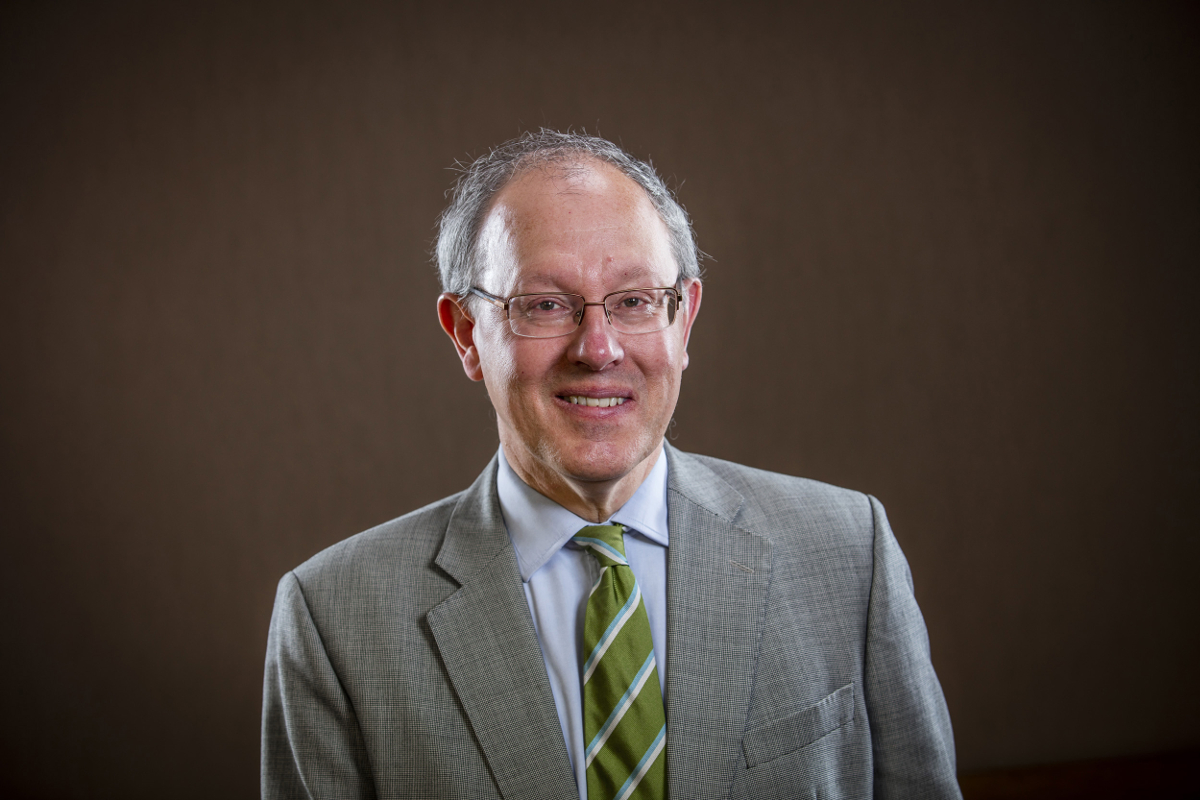
Alastair K Shepherd
There were 11 baronies registered last year, according to figures from the annual report of the Scottish Barony Register (SBR).
The SBR is based in Haddington and is run by retired solicitor Alastair K Shepherd.
The register came into being some 20 years ago, when feudal law was largely abolished in Scotland on 28 November 2004, “the Appointed Day”. The register exists to record assignations of the feudal dignity of baron, as after the Appointed Day these could no longer be recorded in the Sasine or Land Registers.
Mr Shepherd writes that 2025 was an “average year” and that “historically, registrations have varied from a peak of 26 in 2019 to 4 in 2006”.
Of the registrations, “four were re-registrations, in other words there were seven baronies new to the register. There are now 213 baronies (and other dignities of the genus barony) in the register.”
On 18 December the lord lyon granted the SBR “Ensigns Armorial”.
Mr Shepherd adds: “I await the thrill of seeing what the Arms will look like, sadly a backlog at the Lyon Office can result in a three or four year wait for a court painter.
“I particularly await sight of the crest ‘a seal contourné charged on its breast with the seal of the Scottish Barony Register gules, and in an escrol over the same this motto ‘IN LIBERAM BARONIAM’. The motto translates as ‘in free barony’ and is a Latin expression I expect to see when examining Crown Charters.”
Owners of baronies registered in the Sasine/Land Registers, and who have matriculated for Arms at the Lyon Court, can register at the SBR for the reduced fee of £400. This concession has been introduced to encourage translation of some older baronies into the SBR.
“Following requests from some of the barons, for the first time the SBR published a notice in the Edinburgh Gazette listing many of the barons who wished to have their names publicised. The notice covered 52 baronies. By being mentioned in the Edinburgh Gazette, an official journal of HM Government, barons can be assured that their status is officially noted as well as being listed in the SBR,” Mr Shepherd writes.
He concludes: “Historically, the SBR has been a private register, partly due to the fact that it is not statutorily regulated. Before 2004, baronies were registered in the (public) Sasine or Land Register. An unfortunate result of this was that badly researched, or perhaps even maliciously wrong, lists of baronies were circulated on the internet, even on normally reliable search engines.
“The SBR could see the errors but was not in a position to correct them, at least without specific consent. Accordingly the SBR now publishes on its website the only official list of registered baronies. Many are still marked as ‘private’ but details are added on a regular basis on request from individual barons.”

Share this article:

Subscribe to our newsletter to not miss articles like this one:
 SUBSCRIBE