

Courts and tribunals facing unprecedented demand warns Lord Pentland
 Reading time: 5 minutes
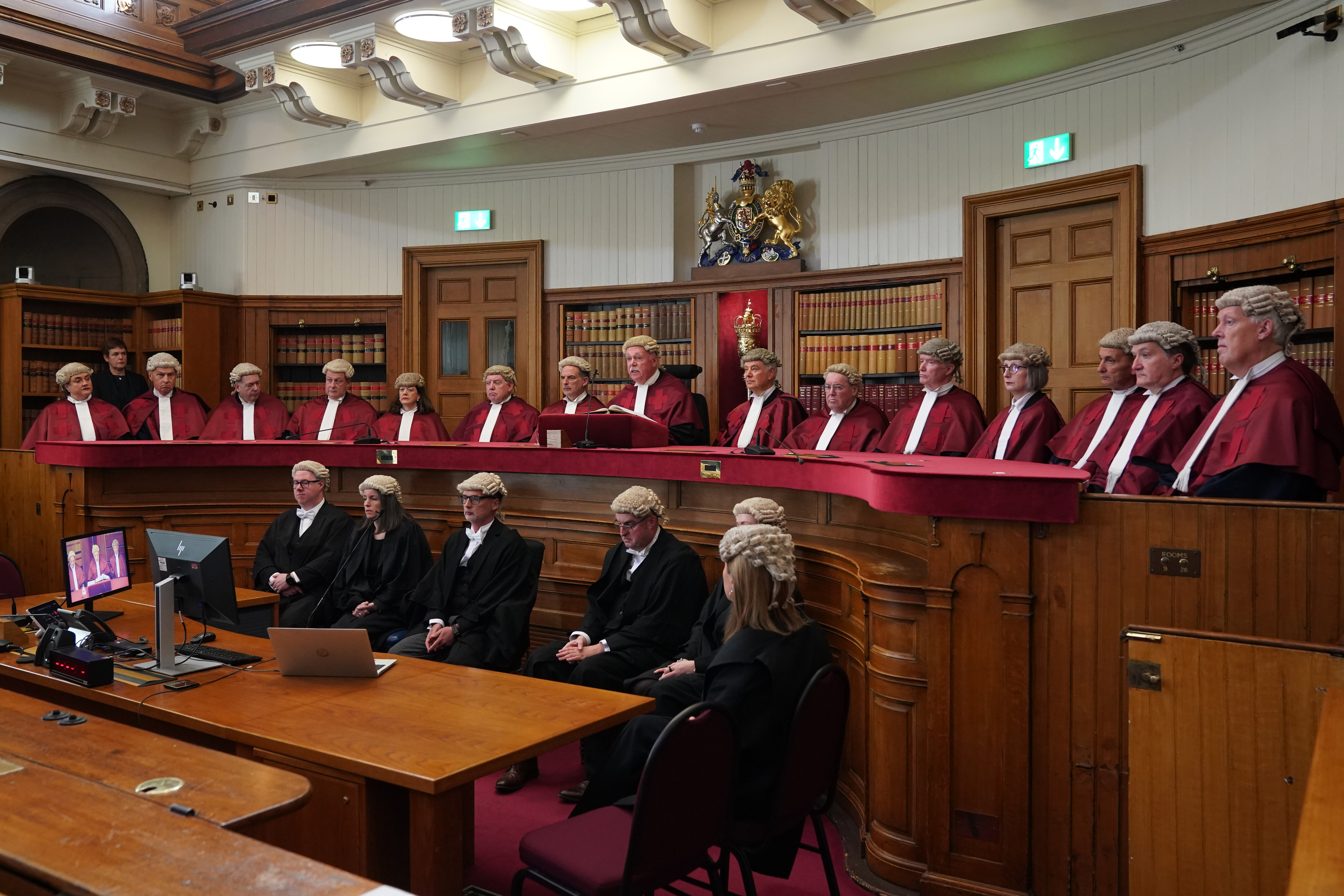
Credit: Stewart Attwood
Scotland’s courts and tribunals will face unprecedented demand in the year ahead, according to Scotland’s most senior judge.
At the opening of the legal year ceremony held in Parliament House yesterday, the Lord President, Lord Pentland said that the status quo is no longer sustainable, and modernisation of the criminal justice system is no longer optional.
Lord Pentland also highlighted the need to harness technology, including carefully managing the use of AI, and the importance of maintaining high professional standards to mirror evolving expectations of the legal profession when addressing attendees at the ceremony.
He added that modernising the criminal justice system to deal with the increasing numbers of domestic abuse and sexual offence cases is essential, if the scourge of violence against women and girls is to be addressed.
Recent figures show that the number of indictments at the High Court is set to reach over 200 per month during this legal year - more than twice as many as two years ago. The new reality facing the High Court is characterised by both a higher volume of cases and greater complexity in those cases.
Lord Pentland said: “The capacity of the system is finite and adaptations of the existing model can only take us so far. Without system-wide change, the impact on victims, witnesses, accused, court users and the prison population, will be severe.
“The nature of these new cases means that that impact will be felt most acutely by those subjected to domestic abuse and sexual violence. If the scourge of violence against women and girls is to be addressed, modernising the criminal justice system to deal with the increasing numbers of those cases is essential.
“The Sexual Offences Court has the potential to change radically the way in which the justice system addresses violence against women and girls, but it needs to be implemented and resourced properly if it is to achieve its promise in supporting victims in a trauma-informed way.”
Lord Pentland is confident that with the necessary investment and resourcing from government, consistent with their public service reform ambitions, the challenge of high criminal business volumes can be tackled. Reforms also offer significant benefits in prevention, earlier intervention and improved social outcomes beyond those already available through the resolution of cases in the courts.
Those high criminal business volumes have been partially driven by rapid technological transformation. New technology has improved the quality of evidence available, making more prosecutions possible. In the Lord President’s view, it is also driving other changes and, in many cases, can also be the solution.
In particular, the rapid technological transformation brought by AI is impacting many areas of the work of courts and tribunals. However, Lord Pentland warned that court and parties’ time is being wasted by submissions created by AI referring to legislation or case law which does not exist.
Lord Pentland added: “From a judicial perspective, generative AI assistants will be considered as a tool to support judicial work, not as a substitute for it. Decision-making rightly remains solely the work of judges. We need to understand both the capabilities and limitations of what can be achieved by AI.
“The judiciary are expected to be fully informed about the risks and benefits of a particular AI tool prior to its use, and the judiciary will receive appropriate training and support as the integrity of the judiciary is of the utmost importance.
“Generative AI is being used more and more by unrepresented parties and, while it holds considerable promise as a way of facilitating their access to justice, it also introduces considerable risk for those who rely on it uncritically.
“Neither the court nor other parties appreciate their time being wasted with the citation of hallucinated court cases, the assertion of belief as fact or reference to legislation which does not exist.
“All of these have happened in our courts and the bar for contempt of court is perilously close to being met. Work is underway to consider what might be done to avoid that.”
In the final part of his speech the Lord President commented on the Regulation of Legal Services (Scotland) Act 2025 which he describes as a step change. He welcomed the ongoing and valuable work undertaken by the Faculty of Advocates in their recent consultation on the Faculty’s disciplinary rules.
The judge said: “A modern set of disciplinary rules is a prerequisite for a growing Bar and will ensure standards and public confidence are upheld.
“I have also launched a public consultation on the meaning of the regulatory objectives. That work is necessary so all those who regulate the legal profession have a common understanding of their scope and application. I encourage everyone to engage with that process.
“While a matter for ministers, I consider it important that those objectives are not commenced before we have that understanding and that, when they are, the associated enforcement powers are ideally commenced simultaneously so the objectives have the necessary teeth.”
The opening of the legal year ceremony traditionally marked the reopening of the courts following the summer recess.
The courts now sit throughout the year, however the ceremony continues to provide an opportunity to reflect on the progress of the previous legal year and set out the future aims and ambitions of the courts and the justice system.
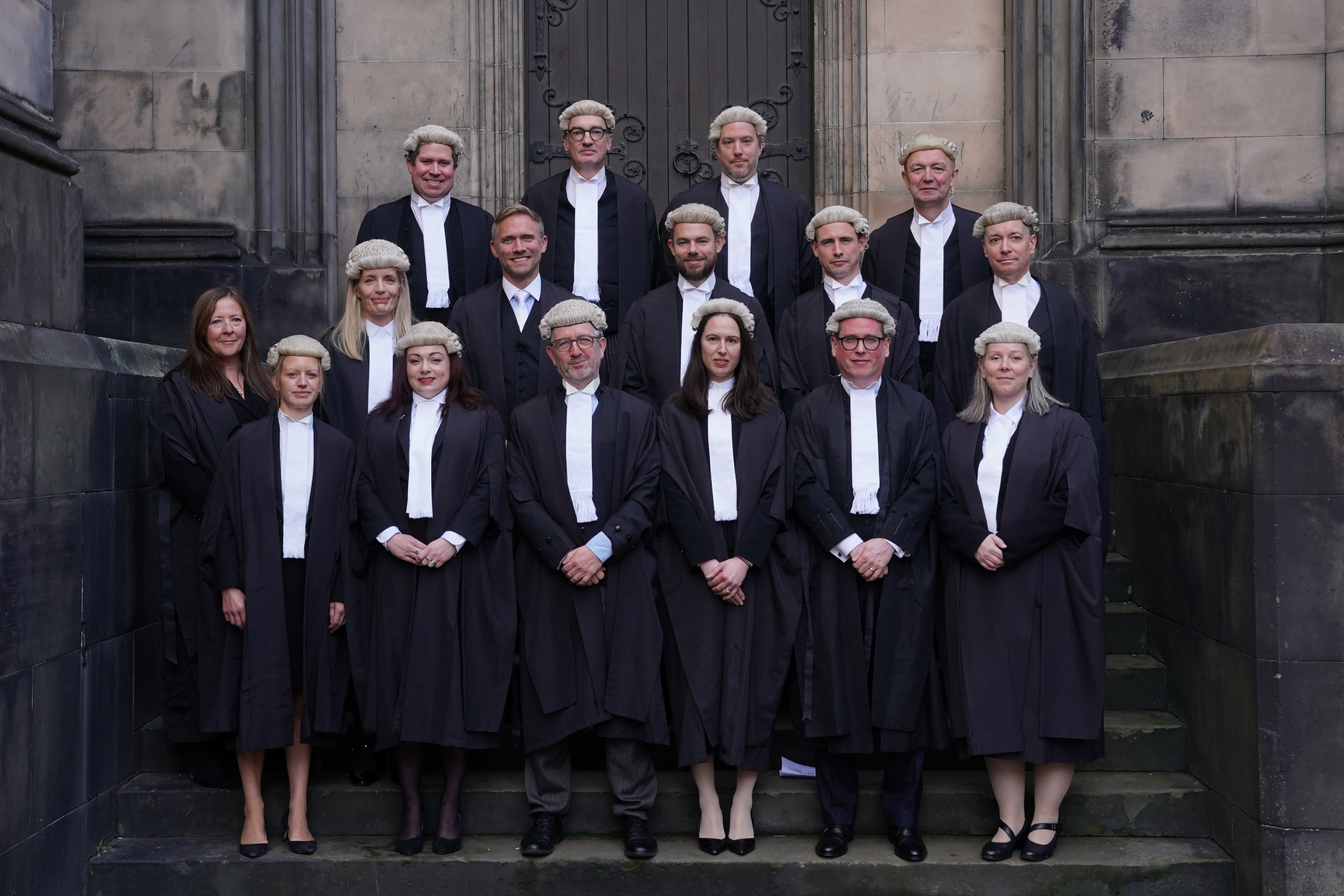
The new silks
Credit: Stewart Attwood
Lord Pentland also recognised those who have been recently appointed to the rank and dignity of King’s Counsel and Honorary King’s Counsel.

Share this article:

Subscribe to our newsletter to not miss articles like this one:
 SUBSCRIBE