





Court fight launched over major Edinburgh development
 Reading time: 3 minutes
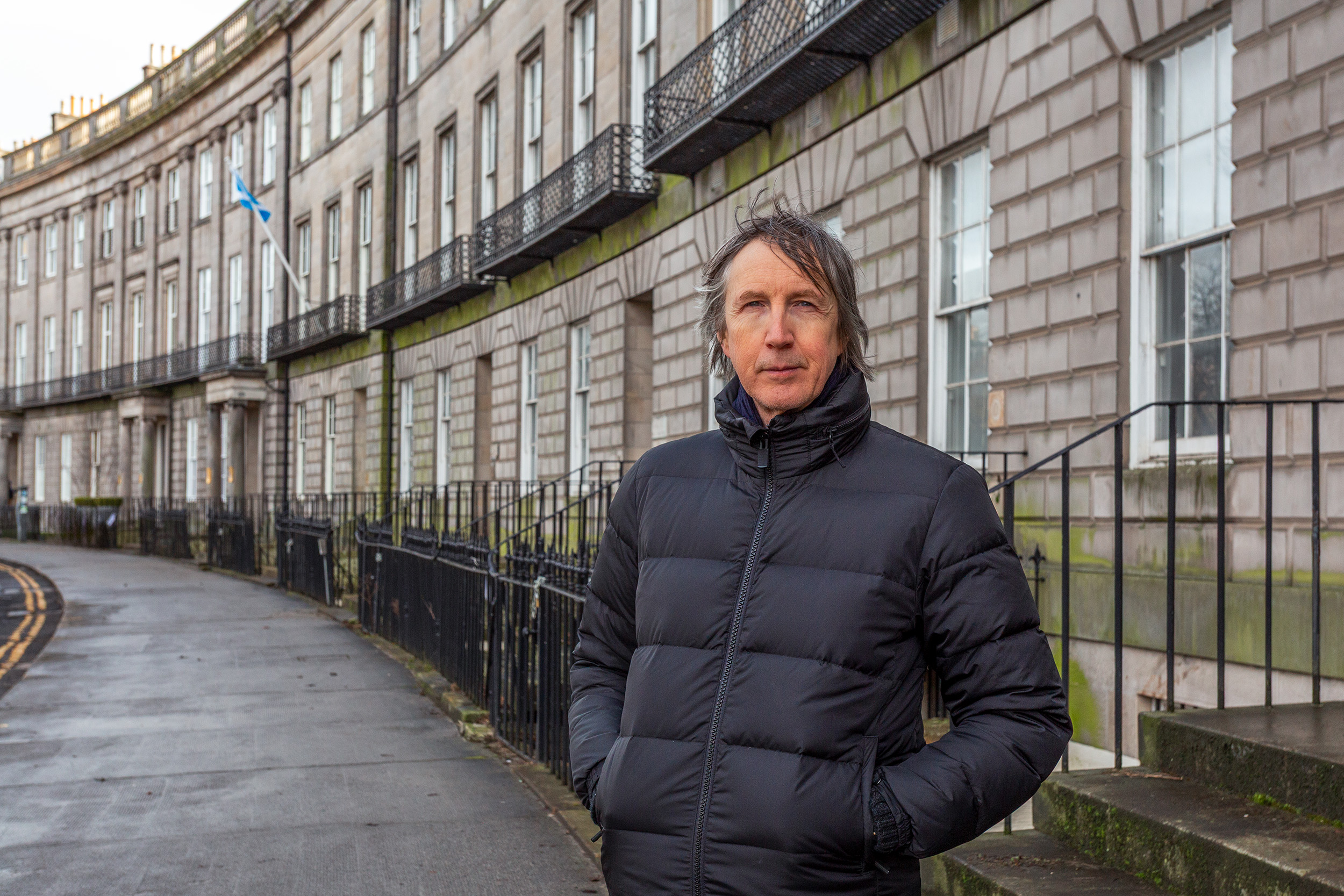
Philip Flockhart
A Court of Session challenge has been launched against the Scottish ministers’ decision to approve a 544-bed visitor accommodation development in Edinburgh’s historic West End.
The appeal seeks to have the Scottish government reporter’s decision quashed, arguing that serious errors were made in the way the application was considered.
The legal challenge relates to plans to transform four Category A-listed Georgian townhouses at 14-17 Atholl Crescent, within Edinburgh’s UNESCO World Heritage Site, into high-density pod-style visitor accommodation.
Philip Flockhart, conservation architect and spokesperson for the residents, said: “The decision to pursue a Court of Session challenge has not been taken lightly and the legal arguments will now be considered through that process.
“The wider issue, which goes beyond one development, is that this was an exceptionally large and complex proposal and Edinburgh’s elected Development Management Sub Committee never had the opportunity to consider it.”
The application was taken to the Scottish government after the council’s deadline for reaching a decision had passed, before it had reached Edinburgh’s Development Management Sub-Committee. As a result, locally elected councillors never had the opportunity to vote on the proposals.
Concerns about the way the application moved through the planning process have been raised by elected representatives from across the political spectrum.
In a written response to councillor Adam Nols-McVey, who raised concerns about the situation surrounding the Atholl Crescent development, councillor Hal Osler, convener of Edinburgh’s Development Management Sub-Committee, said she was “deeply disappointed” that the committee had not been given the chance to determine the application.
She said: “This was an extremely complicated application that required both planning permission and listed building consent. The statutory decision-making timescale for both applications is set at two months.
“Prior to the agent exercising their right to appeal non-determination, the officer sought to agree an extension of time with the agent to allow submission of additional information to support the assessment.”
Residents have stressed that their concern is not with Edinburgh’s planning officers, who are dealing with significant workloads and pressure on resources. Instead, they believe the case raises a wider question about whether the current system gives councils enough time and support to properly consider particularly large and complex applications before an applicant becomes entitled to take the matter to appeal.
Mr Flockhart added: “We have sympathy with planning officers working under enormous pressure. The question is whether the current system gives councils and communities sufficient protection when major applications reach a statutory deadline before local democratic scrutiny has taken place.
“Edinburgh needs investment and it needs places for visitors to stay. This is not about opposing appropriate development or tourism. It is about making sure people can have confidence in how major planning decisions are made.”
The appeal asks the Court of Session to consider a series of questions of law, including whether the reporter erred in law, failed to have regard to material considerations, failed to interpret development plan policy properly and whether the decision should be quashed.

Share this article:

Subscribe to our newsletter to not miss articles like this one:
 SUBSCRIBE

