





Chinook crash legal challenge against MoD thrown out
 Reading time: 3 minutes
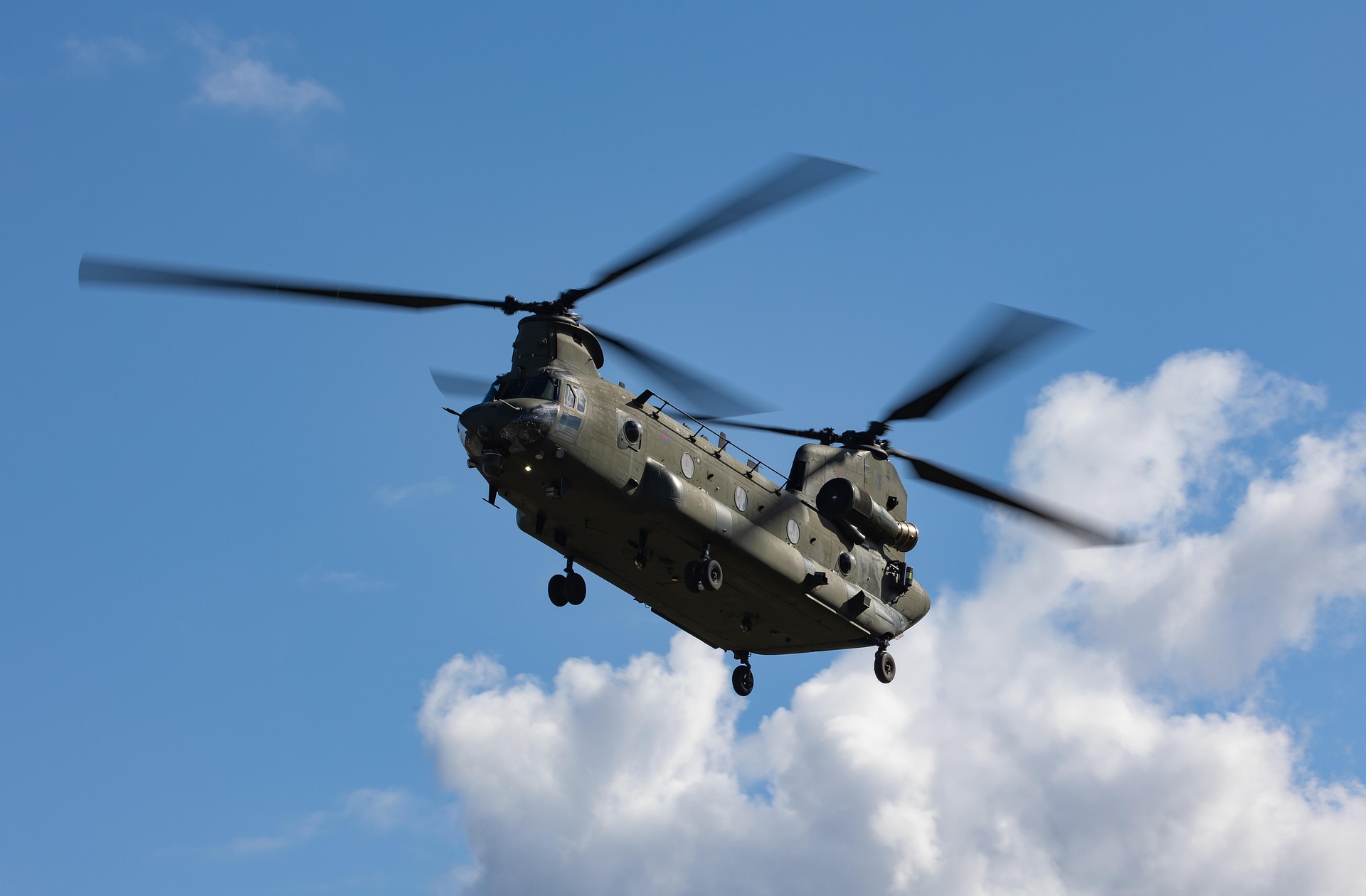
Families of several victims of the 1994 RAF Chinook helicopter disaster have lost a High Court bid to bring a legal claim against the Ministry of Defence (MoD), after a judge ruled the case had been brought too late.
Twenty-nine serving military personnel died when RAF Chinook ZD576 crashed into the Mull of Kintyre in south-west Scotland on 2 June 1994, in what remains the RAF’s worst peacetime accident. The helicopter was carrying 25 of Northern Ireland’s most senior intelligence figures, including Gaynor Tobias’s husband John and Lynn Bunting’s husband Dennis, along with four special forces crew, from RAF Aldergrove to a security conference at Fort George near Inverness.
The case has a long and contentious history. An RAF board of inquiry in 1995 could not establish a definitive cause, but two senior reviewing officers overturned that finding and ruled the pilots, Flight Lieutenants Jonathan Tapper and Richard Cook, had been grossly negligent. That verdict was widely criticised, including by parliamentary committees, and campaigners spent years pushing for it to be overturned.
The pressure eventually led to the 2011 Mull of Kintyre review, chaired by retired judge Lord Philip, which cleared the two pilots of negligence. Then defence secretary Liam Fox formally apologised to the pilots’ families. However, that review did not determine the actual cause of the crash, leaving the wider question unresolved for the families of all 29 victims.
Campaigners including Professor Peter Watson have since pointed to evidence that the MoD’s own testing centre at Boscombe Down had raised serious concerns about the airworthiness of the Chinook Mk2 before the crash, reportedly declaring the aircraft unfit to fly, with those concerns said to have been reaffirmed on the day of the disaster.
The Chinook Justice Campaign (CJC), now representing more than 55 relatives of 25 victims, has argued that a 100-year embargo placed on official files, combined with what it calls continued obfuscation by the MoD and successive governments, points to an ongoing cover-up.
The CJC sought to challenge the MoD over what it described as an “ongoing failure” to establish an independent and effective investigation into the crash. Lawyers for the group, led by Sam Jacobs, told the High Court that evidence on the Chinook’s airworthiness raised a strong argument that those who died had been placed on an aircraft known to be unsafe, and that there were “profound and stark” concerns about airworthiness at the time.
The MoD opposed the challenge, arguing it had been brought too late and that a fresh investigation would serve no practical purpose.
Ruling against the families, Mr Justice Butcher acknowledged the scale of the tragedy, saying the loss of 29 lives was difficult to put into words and that the grief of the bereaved remained enduring and bitter. But he said his task was to apply the relevant legal tests, and found that the CJC could have known of any breach of the MoD’s investigative obligations from the conclusion of the 2011 review. Bringing a claim more than 14 years after that review would have required cogent grounds, he said, and none had been shown.
A CJC spokesperson said the group was extremely disappointed, calling the decision an “absolute travesty of justice” and vowing to continue the fight for the truth. Niven Phoenix, son of Det Supt Ian Phoenix, one of the victims, said the ruling effectively meant that anyone alleging a cover-up needed to act sooner rather than later.
The MoD said it respected the court’s decision. Campaigners have indicated they now intend to press the UK government to use the Hillsborough Law to secure the public inquiry they have long sought.

Share this article:

Subscribe to our newsletter to not miss articles like this one:
 SUBSCRIBE

