
Body-worn cameras cut police court appearances by 35 per cent in north-east
 Reading time: 3 minutes
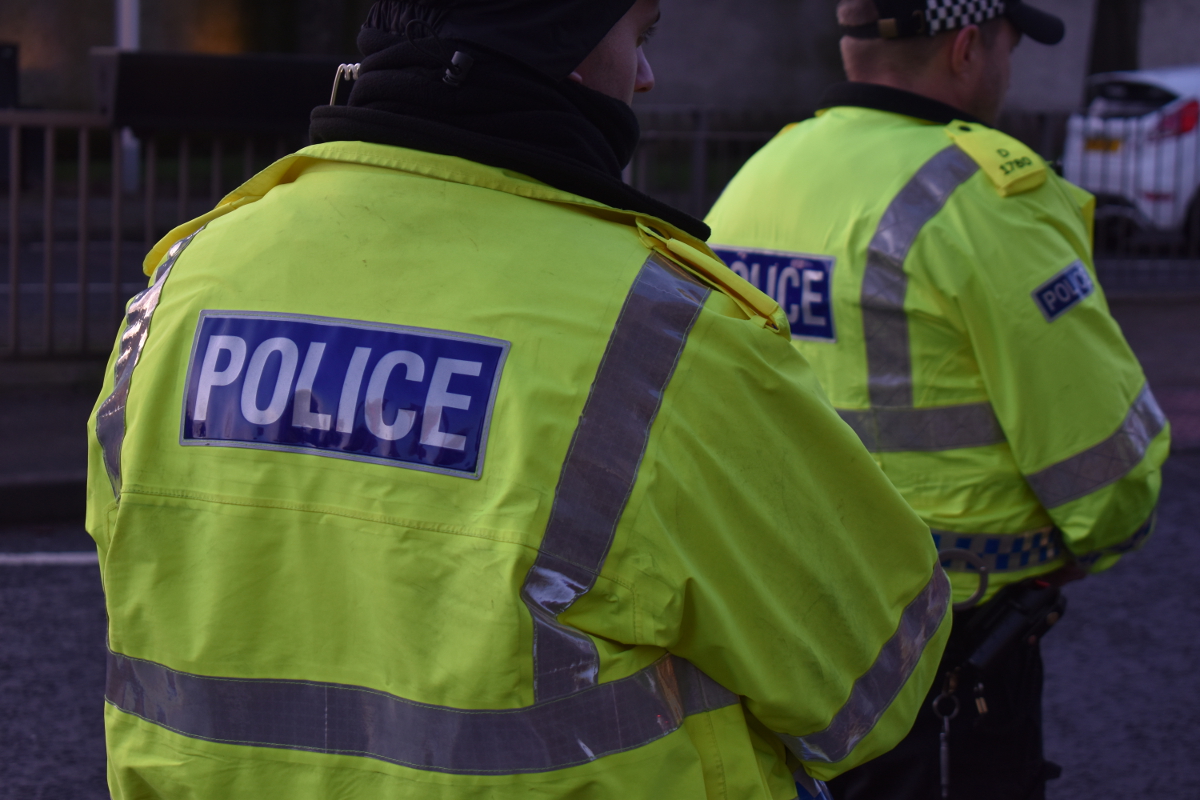
A senior police officer has credited the roll-out of body-worn video (BWV) cameras with a sharp fall in the number of officers being required to attend court, freeing them to spend more time on patrol.
Chief Superintendent Kate Stephen told The Press and Journal that the introduction of BWV across the north-east has coincided with a 35 per cent reduction in officers being cited to give evidence, describing the technology as one of the most significant changes to frontline policing in years.
She said the cameras were having their greatest impact within the criminal justice system, helping to reduce delays, ease pressure on victims and witnesses, and limit the need for repeated court appearances by officers.
One of the principal benefits, she said, is the ability to secure strong evidence at the earliest stage. “It’s that front-loading of that evidence,” she said, adding that BWV enables officers to provide “the best evidence” from the outset.
Feedback from prosecutors and other justice partners suggests the technology is contributing to earlier guilty pleas, including in domestic abuse cases.
The comments come as Police Scotland completes its national roll-out of BWV, with every frontline officer in the north-east and the Highlands and Islands now routinely equipped with a personal camera. The programme forms part of wider reforms aimed at improving transparency, accountability and efficiency.
In the Highlands and Islands, the deployment of BWV has coincided with an 18 per cent year-on-year reduction in assaults on police officers, representing 46 fewer recorded incidents. While senior officers stress the cameras are not the sole factor, they believe the technology is influencing behaviour and outcomes.
Chief Superintendent Rob Shepherd, who leads policing in the Highlands and Islands, said the reduction in assaults was significant in human as well as statistical terms. “Every assault matters,” he said, adding that 46 fewer incidents meant 46 occasions where officers were not subjected to violence while doing their job.
He said said there appeared to be an “anecdotally” observed “deterrent effect”, with people less likely to be abusive or violent towards officers if they knew they were being recorded.
He highlighted several cases where BWV footage proved decisive. In one “very tragic incident” in Tayside, he said, “a lady completed suicide by hanging”. Paramedics provided “appropriately robust” first aid in an attempt to revive her, and the treatment was captured on officers’ cameras.
“The injuries at the post-mortem looked like she may have suffered a violent assault,” he said, adding that “immediately her husband was potentially suspected”. However, after reviewing the BWV footage, the pathologist was able to determine that the injuries had been caused by emergency treatment.
“There were no suspicious death circumstances,” he said, adding that the footage had prevented the arrest and questioning of a grieving husband and avoided a costly murder investigation. “All because that was caught on body-worn,” he said.
In another case, BWV footage later revealed that a suspect had stabbed an officer multiple times in his body armour during a violent encounter. “No one noticed the stabbing at the time,” Chief Supt Shepherd said. The officer was unharmed, but the assault would not otherwise have been identified. “That was only caught when the BWV was reviewed later,” he said.

Share this article:

Subscribe to our newsletter to not miss articles like this one:
 SUBSCRIBE