

Barrister ordered to pay £6,700 after joining tribunal hearing from train
 Reading time: 2 minutes
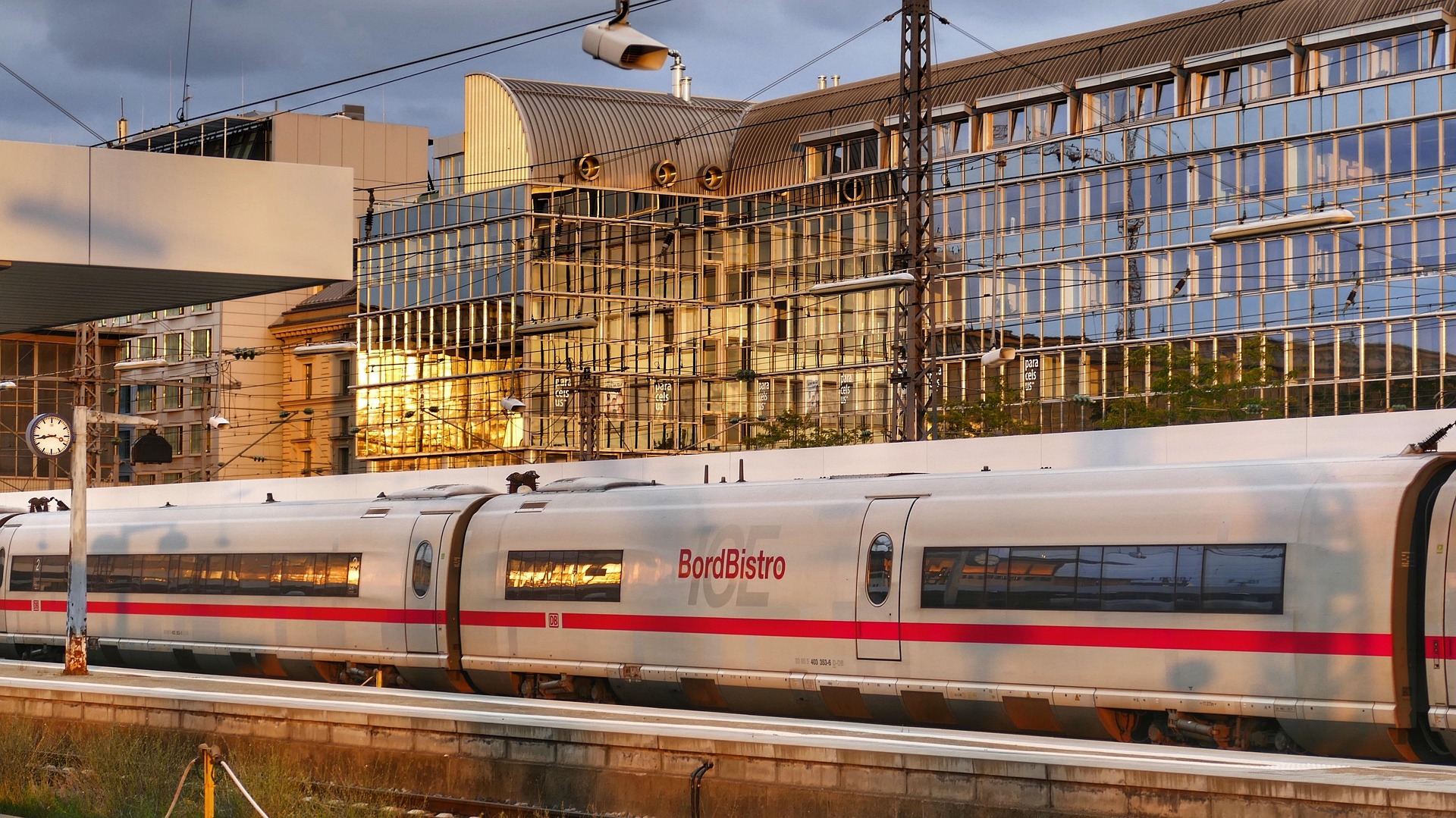
A barrister must pay £6,767 in wasted costs after trying to undertake the first day of an employment tribunal hearing while travelling by train in Germany.
Michael Engelhardt-Sprack had been permitted to appear remotely at the final hearing because he lives in Germany, practises in the UK and had childcare commitments.
However, he initially failed to appear on screen before joining 20 minutes later wearing headphones and travelling on a train. Employment Judge Wedderspoon said other passengers could be heard and therefore paused proceedings to allow him to find a quieter location.
Instead, Mr Engelhardt-Sprack boarded a second train and attempted to join the hearing again. The judge said the poor internet connection and background noise made it difficult to hear him, describing the arrangement as “totally inappropriate to conduct the hearing in this environment”.
The hearing was adjourned until the following day, when Mr Engelhardt-Sprack attended Birmingham Employment Tribunal in person.
In written submissions, he said he had meant to break his journey from Munich to Birmingham and use a private room, but childcare difficulties had prevented him from leaving until the morning of the hearing.
He apologised, but the tribunal noted there was “no explanation” for why he had not warned the tribunal or the respondent before proceedings began.
On reconsideration, Judge Wedderspoon found that conducting a remote hearing from a train was “totally inappropriate and unprofessional” and contrary to guidance on remote hearings.
The tribunal did not find that Mr Engelhardt-Sprack had acted improperly or unreasonably, but concluded that his conduct amounted to “negligence” because he had failed to demonstrate “the competence reasonably to be expected of ordinary members of the profession”.
It also found that failing to warn the tribunal and the respondent’s legal teams was negligent. Advance warning “could have avoided unnecessary attendance and cost incurred by the respondents”.
First respondent Gitpod GmbH was awarded £6,767.44 for counsel’s fees, solicitor costs, travel, hotel expenses as well as the attendance of a trainee solicitor. A further three hours of solicitor time was not awarded by the tribunal because it was unclear whether the work resulted from the aborted hearing.

Share this article:

Subscribe to our newsletter to not miss articles like this one:
 SUBSCRIBE