

Barlinnie listing challenged over fears for regeneration plans
 Reading time: 3 minutes

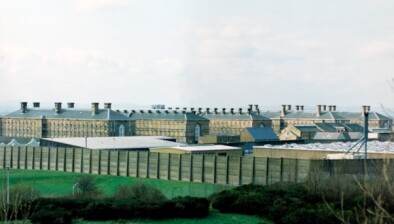
The Scottish Prison Service (SPS) has challenged the decision to grant Category A listed status to HMP Barlinnie, arguing the designation could restrict redevelopment opportunities and hamper regeneration in the surrounding area.
Historic Environment Scotland (HES) awarded the Glasgow prison protected status in December, saying it occupies an important place in Scotland’s national consciousness and represents the country’s most complete surviving example of a historic prison.
But the Scottish government is now considering an appeal lodged by the SPS, which argues the designation is “disproportionate” and would constrain future options for the site.
Barlinnie, in Riddrie, is due to be replaced under Scottish government plans for a new prison after years of overcrowding concerns.
The listing followed an application by Labour MSP Paul Sweeney and covers surviving elements of the original prison layout developed between 1880 and 1908, including five accommodation halls, the chapel, former infirmary and store building, gatehouse and worksheds.
The SPS is seeking to remove two accommodation halls, the worksheds, gatehouse and infirmary from the designation. In appeal documents it argues that “some of the buildings… do not meet the tests of being of sufficient significance to be of special historic or architectural interest”.
The appeal adds that HES’s decision-making process was “flawed” and resulted in an “incorrect, wrongly informed and disproportionate blanket designation being applied to large parts of the prison estate”.
It states: “The exclusion is critical for the appellant to continue their operational management of the site and in developing options for their future use, in partnership with others.”
Local concern has also emerged over the implications for redevelopment.
Bailie Annette Christie, SNP, described the listing as a “travesty”, saying that while preserving elements of the prison could be justified, the wider site offered an opportunity to create housing and a long-awaited local high street.
“The high street could be more than shops, as the shift in the retail environment in recent years is now in the direction of immersive, experienced destinations,” she said.
“Retaining part of the Barlinnie site as a prison museum would recognise the history of the location but also it would allow for an additional community space where the local people can have their own social area.”
Glasgow City Council has also raised concerns, saying there are “several areas of clear alignment” between the SPS appeal and its own position.
The council said the scale of the Category A designation may not be proportionate and argued that preserving selected heritage assets would better balance conservation with redevelopment. It added that the prison’s “super-block” layout limits neighbourhood integration and warned that extensive listing could leave parts of the site redundant once the prison closes.
HES has defended its decision, saying the buildings reflect the latest developments in prison design after late 19th-century prison reform and are “exceptionally important in the history of Scottish prison architecture”.
When the designation was announced, Mr Sweeney dismissed opposition from the council and SPS as “narrow-minded”, arguing Barlinnie is an “important part of Glasgow’s social and architectural history” with the potential to become a destination for tourism, culture, business and social enterprise in the city’s east end.
A hearing before a reporter appointed by Scottish ministers is expected in July before a final decision is made on the appeal.

Share this article:

Subscribe to our newsletter to not miss articles like this one:
 SUBSCRIBE