Is this email not displaying correctly? View it in your browser.
13th March 2026
Scotland's news service for lawyers
Today’s Headlines
Latest News

Sheriff finds increased safety checks could have avoided death of fitter caught by spindle of metal boring machine

By Mitchell Skilling

Sheriff finds increased safety checks could have avoided death of fitter caught by spindle of metal boring machine

A sheriff conducting a fatal accident inquiry into the death of a mechanical fitter who sustained fatal injuries when he became entangled in the bar of a boring machine has concluded that the accident could have been avoided if his employer had increased the frequency with which it conducted safety checks.

Kenneth Begg, who died on 15 April 2021 at Aberdeen Royal Infirmary after being airlifted to hospital, had been employed by Rosskeen Engineering Ltd since 2001. In criminal proceedings, Rosskeen pled guilty at the earliest opportunity to a contravention of sections 2(1) and 33(1) of the Health and Safety at Work etc Act 1974 on 19 November 2025 and was sentenced to pay a fine of £12,000.

The inquiry was conducted by Sheriff Neil Wilson at Tain Sheriff Court. The court received written submissions from the Crown. Ms Mitchell, solicitor, appeared for Rosskeen and Mr Cowie, solicitor, appeared for the daughter of the deceased, Emma Begg, and adopted the submissions of the other participants.

Fractures to ribs

Mr Begg had been employed by Rosskeen since 2001 and was regarded as the most experienced user of a horizontal boring machine owned by the company. He had been significantly involved in the drafting of the risk assessment for the use of the machine and its subsequent revisions. In 2015, following an inspection by the Health and Safety Executive, the machine was fitted with a wand switch, an electronic trip probe to be positioned between the operator and the rotating stock bar of the borer to mitigate against the risk of entanglement when close observation of a workpiece was required. Rosskeen also arranged weekly visits from an external health & safety consultant, Ms Jardine.

At around 7am on 15 April 2021, Mr Begg started the boring machine to bore a hole through a metal workpiece known as a pad eye arrangement. He had not placed the wand switch between himself and the rotating part of the machine, and when he leaned into the rotating spindle, his boiler suit became caught on it, and he was spun around the rotating spindle a number of times before the machine came to a stop.

Emergency services were contacted and he was taken by air ambulance to ARI, but shortly after arrival there he suffered a cardiac arrest and was pronounced dead at 11:50am. A post-mortem examination determined that Mr Begg died from multiple injuries including fractures to most of his ribs, both legs, and left arm, together with a laceration and soft tissue damage to the left arm. Mr Begg was also identified as having an enlarged heart, which would have contributed to his death.

A subsequent investigation by the HSE concluded that, for the wand switch to operate as an effective safeguard, a system of management ought to have been in place to ensure the operator consistently used the switch when operating the machine. It was noted that previous observed failures by Mr Begg to use the wand switch had not been reported to management as to trigger more frequent supervisory checks. Additionally, colleagues had reported he had seemed distracted in the week leading up to his death, and that he was upset due to one of his daughters being diagnosed with an incurable form of cancer.

Only possible finding

In his determination, Sheriff Wilson began: “Given the contents of the Joint Minute, the inevitable, and only possible, finding, in terms of section 26(2)(d) [of the Fatal Accidents and Sudden Deaths etc (Scotland) Act 2016], was that the immediate cause of the accident resulting in the death of Mr Begg was the failure, on his part, to place the wand switch between him and the machine.”

He continued: “Mr Begg had previously been observed, by the external health and safety consultant, to have failed to correctly position the wand switch. This was not whilst the machine was running, but during the stage of setting it up. This was brought to the attention of Mr Begg by the consultant, and he rectified his error. Whilst it is not clear when this occurred, given that the external consultant had only resumed her post-pandemic visits to Rosskeen Engineering in the two weeks leading up to the accident resulting in Mr Begg’s death, it can be safely assumed it was shortly before the accident.”

Considering the adequacy of the safety measures in place, Sheriff Wilson said: “What was not present in the safe system of working were requirements that any breaches would give rise to more frequent safety checks. This is illustrated by Rosskeen management’s reaction to [a previous] issue with the safety fence, namely that discussions took place regarding alternate fencing, but the safety breach did not give rise to any increase in the frequency of safety inspections. Whilst it is accepted that the safety fence was not designed to protect the operator of the borer, an immediate reaction in the form of an enhanced inspection regime would have served to remind Mr Begg of the general importance of complying with safety measures.”

He concluded: “Submissions for Rosskeen Engineering, regarding possible section 26(2)(f) factors, also referenced Mr Begg’s apparent mental state at the time of the accident, but go on to state that speculation as to whether this contributed to the accident would be inappropriate. I am firmly of the view that any speculation Mr Begg’s apparent mental state at the time of the accident would be entirely inappropriate and accordingly will not form part of any finding.”

In light of assurances offered to the Crown that appropriate steps had been taken by Rosskeen to address the failings that led to Mr Begg’s death, the sheriff found it was not necessary to make any recommendations and concluded the inquiry by offering condolences to Mr Begg’s family.

Court rejects defences of solicitor accused of client-poaching

Court rejects defences of solicitor accused of client-poaching

In one of Scotland’s first court cases on the legality of covert monitoring of employees in the workplace, the pursuer, a leading firm of immigration law advisors, conducted extensive surveillance to expose an alleged client-poaching ring amongst its senior in-house solicitor, the first defender, other staff and a former member of staff who was the second defender and first’s husband.

Eoghainn MacLean, advocate, appeared for the pursuer, instructed by Campbell Deane of Bannatyne, Kirkwood France & Co, solicitors. Micheal Upton, advocate, and Laura Irvine, solicitor advocate and data protection specialist, appeared for the defenders, instructed by DHM Law, solicitors.

The case was heard at Glasgow by Sheriff Stuart Reid, the experienced commercial and also appeal sheriff. It had previously attracted media attention.

Case

It was a summary application under section 1(1) of the Administration of Justice (Scotland) Act 1972 for the recovery of documents and other property in respect of which it was said questions may relevantly arise in future proceedings likely to be brought by the pursuer against the defenders for damages for breaches of their respective contractual and delictual duties arising from all the instances of poaching and diversion of its clients averred against them.

The pursuer’s case was that, having found suspicious e-mails, it had then carried out audio surveillance in a room in its office used by the first defender on 19 individual days over three months. That those recordings of her conversations revealed she had been involved in 20 instances of poaching and diverting of clients and conduct directly associated with it, in most of which she had acted in concert with the second defender, two other staff and a number of clients. That the details of each instance were supported by transcripts of the relevant conversations and other productions.

Dawn raid

By prior interlocutor, a commissioner had been appointed and a dawn raid carried out at the defenders’ home. He had taken possession of numerous items, including mobile phones, laptops, tablets, flash drives and other digital media and electronic storage devices. Extensive procedure and hearings had followed to ensure the extraction of data from all the devices, including those supposedly used by the first defender in her work for an English legal charity. The excreted recoveries from the raid were eventually lodged in the hands of the sheriff clerk. 

The pursuer then moved for their uplift, inspection and use for its prospective damages action, which was opposed and assigned to a hearing over two days for which parties lodged detailed written submissions and authorities.

Arguments

The defenders argued that it would be unlawful to allow the pursuer to inspect and use the recoveries from the raid because they and the surveillance evidence, that was the basis of application, were derived from breaches of the defenders’ right to privacy in the workplace, under the UK General Data Protection Regulation and Article 8 of the ECHR, which had arisen, in particular, from the pursuer’s alleged failures properly, to carry out a written data protection impact assessment and, to provide warnings to employees about the potential for the workplace surveillance and from it having been conducted over a disproportionately long period of time.

On the facts, the pursuer argued, firstly, that the conversations, evidenced in the recordings and transcripts, were impersonal. The first defender had had them in a room, which was part of the workplace open to staff, clients and others, having been given advance warning that her communications at work may have been monitored. They had, predominantly, concerned client poaching and associated conduct and been entirely voluntary on her part and in no way instigated. Secondly, that the conversations were material. Their content would be central in assisting the court to throw light on the occurrence, nature and extent of the defenders’ multiple breaches of duty committed in concert with others, which they had consistently sought to conceal and still baldly denied. Thirdly, that excluding the evidence of them would be grossly unfair to the pursuer’s private interests in seeking to recover its losses and protect its business, the public interest in seeing the court do justice on the basis of all the relevant material, which clearly outweighed the first defender’s private interest in trying to maintain confidentiality in them based on legal technicalities.

Decision

In his judgment, the Sheriff granted the pursuer’s motion for uplift, inspection and use of the recoveries from the raid for the reasons set out in its submissions.

Statutory test

He began by making the following points about the overall statutory test in a summary application or petition under section 1(1).

“As a starting point, the 1972 Act permits the recovery of documents and property in respect of which “a question may relevantly arise” in contemplated proceedings. 

The merit or relevancy of the contemplated proceedings is not to be scrutinised in detail, still less determined, in these pre-action summary proceedings. All that need be presented is a prima facie intelligible and stateable case.

Likewise, the relevancy of the documents to those contemplated proceedings is not to be subjected to forensic examination. The issue is whether a question “may relevantly arise” in respect of the document or property sought to be recovered.”

Admissibility

On this, he continued: “Lastly, it is to be noted that the statutory test is not whether the evidence sought to be recovered is admissible, but whether it may be relevant. The proper forum for a final adjudication on the issue of admissibility is within the contemplated proceedings, once raised.

“Further, merely because evidence has been obtained illegally – or is otherwise tainted with some sort of illegality – does not necessarily mean that it is inadmissible in civil proceedings.”

He then set out the familiar principles on the discretion which the court, in those proceedings, would have at common law to admit or exclude unlawfully obtained evidence and the matters it would consider in exercising it (Duke of Argyll v Duchess of Argyll (No3) 1963 SLT (Notes) 42 at p43; Baronetcy of Pringle of Stichill, Re 2016 SC (UKPC) 1 at §§76-78).

Noting that the defenders had, at the hearing, reserved their argument (set out in their written submissions) against the admissibility of the surveillance evidence and the recoveries, he concluded that, in the whole circumstances, the statutory test was met and “the court’s discretion was prima facie firmly weighted in favour granting the order…”.

Human rights

He then went on to reject the defenders’ arguments for a right to privacy in the recordings and, therefore, the recoveries under Article 8, saying:

“[T]he circumstances set out in the pursuer’s note of arguments…demonstrate that the first defender…could have had no expectation of privacy. The content of the impugned recorded conversations had nothing to do with the first defender’s private life. Besides, it was averred that she had been given contractual notice that she would have no such expectation in her work communications. Article 8, ECHR is simply not engaged.

“[E]ven if Article 8, ECHR was applicable (which is not accepted), the alleged interference with that right was justified in terms of Article 8(2), ECHR (Thorntons Investments Holdings Ltd v Matheson 2023 SLT 1305, paras 90-91; Cowie v Vitality Corporate Services Ltd 2024 SLT 713, paras 105-107). It was done in accordance with law, to pursue a legitimate aim, and was proportionate, for the detailed reasons set out in the pursuer’s written submissions.”

Data protection

He similarly rejected the defenders’ arguments for confidentiality in them under the UK GDPR, making the following clear:

“[T]he alleged GDPR breaches were unpersuasive for the reasons set out in the pursuer’s written submissions. The Regulation does not create a right of confidentiality; a data protection impact assessment, being merely a ‘process’, does not require to be in writing; the pursuer relevantly avers carrying out such an assessment; the duration of the surveillance was ex facie proportionate.

“In any event, ultimately, the defenders’ protestations of GDPR illegality or multiple statutory breaches come to nothing for two key reasons.

“First, even if the impugned surveillance were unlawful and in breach of multiple GDPR provisions, that does not render the evidence derived from those alleged breaches inadmissible in the contemplated proceedings.

“Second, even if the impugned surveillance were unlawful and in breach of multiple GDPR provisions, that does not affect the recoverability of the excerpted recoveries, pursuant to a Section 1 Order. The evidence seized by the Commissioner in the dawn raid already existed; it was not “created” by the alleged illegality or data breach; it was there to be discovered, all along, independently of any preceding alleged unlawfulness or statutory breach; the preceding alleged illegality does not contaminate the probative quality of that independently-existing material; and, in any event, the independent intervention of the court in granting the Section 1 Order made the dawn raid the occasion, rather than the cause, of the discovery of that separate and additional evidence then seized; so the excerpted recoveries cannot properly be said to be “derived” from the surveillance evidence (HM Advocate v P 2012 SC 108, para 27; Thorntons Investment Holdings Ltd, supra, paras 92-93).”

Accordingly, the court granted the summary application authorising the pursuer to use the recoveries for its prospective damages proceedings

Eoghainn MacLean, advocate, will address these and other issues in his talk at Ampersand Advocates Commercial Disputes Conference next week.


David J Black

David J Black

David J Black

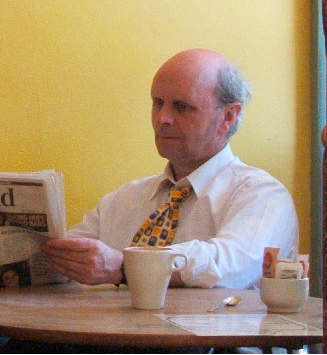
With the kind permission of The Times, Scottish Legal News reproduces below the newspaper’s obituary of David J Black. David was a gifted writer whose many pieces for us over the years, whether they followed the money or lampooned hypocrites, evoked both fervent endorsement and opposition. No one could say, however, that they were not written with the elegance and wit of a bygone era. He will be dearly missed.

Saving Edinburgh’s architectural heritage has been a fighting cause ever since the lawyer and campaigner Lord Cockburn inveighed against the failure of the city fathers in the 18th century to protect its finest buildings. “Edinburgh,” he wrote, “is not exempt from the doom that makes everything spoilable.”

David Black was a worthy heir to the Cockburn tradition. His lifelong dedication to exposing, facing down and preventing commercial developments that threatened the graceful fabric of the city was legendary. He saved many of the buildings and quarters that make Edinburgh one of Europe’s great architectural creations, but which successive city planners seemed all too ready to sacrifice in the name of progress.

His weapons included the use of scathing vocabulary to describe the worst excesses of the developers, and the recruitment of celebrities, including royalty if necessary, to stay the wrecking ball. His most famous, and largely successful, campaign was mounted against the demolition of an entire historic area on the south side of Edinburgh, to provide accommodation and offices for its university. Black targeted the London architect, Sir Robert Matthew, whom he described as “the Bomber Harris” of the enterprise. “Neighbourhoods would be flattened …” he warned. “Familiar landmarks would blink uncertainly at a setting of bland concrete blocks.”

He persuaded the future prime minister Gordon Brown, then the rector at the University of Edinburgh, and Brown’s girlfriend Princess Margareta of Romania to join the cause, and reported that she had “bent the ear” of her godfather, the Duke of Edinburgh, who was the university’s chancellor. The duke, said Black, had “turned faces ashen-white when he asked what the hell was going on”. Not everything was saved, but the Southside Association, which he co-founded and chaired, was successful in heading off the worst of the proposals.

Later, when plans were put forward to develop the Old Royal High School on Calton Hill, designed by the architect Thomas Hamilton, and turn it into a 120-bedroom hotel, Black killed the project stone dead when he described the project as “like putting Mickey Mouse ears on the Mona Lisa”; instead the building is to become a centre for musical training and education.

Not all his campaigns succeeded. He failed to stop entirely the new Virgin hotel in the Cowgate, which threatened to block the light from the large windows of Andrew Carnegie’s central lending library, despite the motto carved above the door announcing “Let there be light”; and he was unable to forestall the erection of the W Hotel in the St James’s Quarter, with its rooftop ribbon design that its defenders coyly referred to as “the walnut whip,” but which Black dismissed as “the golden turd”.

To all his campaigns he brought a deep historical knowledge, and a passionate attachment to the aesthetics of the city. As his artist friend Hugh Buchanan put it: “David was phenomenally well informed on all things architectural. He was the intellectual ballast to all Edinburgh’s most important heritage campaigns.”

David John Black, born in 1947, grew up in a pre-fab house in the Craigmillar area of Edinburgh, the eldest of three children born to Jack Grant Black and Wilhelmina (Winnie) Douglas Prentice. Jack was a bus driver, later transport driver organiser for the Edinburgh bus company, and a justice of the peace, who had served in the Fleet Air Arm during the war. Winnie was a Labour councillor, who later switched to standing as an independent, and became a community organiser. After Winnie’s death, Jack married Natasha, a Russian who had been a translator at the Nuremberg trials, who lived to the age of 100.

Educated briefly in Halifax, Yorkshire, then Peffermill school in Edinburgh, he progressed to George Heriot’s, from which he ran away, to finish his education at Napier College (later university). Black’s first job was as assistant drayman at St Cuthbert’s Co-op dairy, in the days when milk was delivered by horse. He went up to St Andrews University, but left after a few weeks, as he put it “to muck out camels”, though where and why he did this is not explained.

Returning to Edinburgh in the 1960s, he became involved in the arts scene that had followed the creation of the Edinburgh International Festival, and the burgeoning Fringe. He worked at the Traverse Theatre club for many years as a lighting technician, getting to know many of the visiting performers, including Robbie Coltrane, Billy Connolly, David Bowie, and the poet Hugh MacDiarmid.

The 1960s was a period which saw commercial and transport development sacrificing much of the heritage of Scotland’s cities. Motorways were driven through Victorian Glasgow and shopping centres took precedence over heritage buildings in Dundee. Edinburgh was not immune, and Black was horrified by the threat commercial development posed to its architectural character. He noted the success of the Edinburgh Georgian Society, founded by Eleanor Robertson to campaign against what she described as “an unholy alliance” between Edinburgh’s university and the city corporation to destroy George Square.

He went on to co-found and chair the Southside Association, created in 1972, which was central to his largely successful campaign to prevent the demolitions which would have taken place if the university’s development plans on the south side of the city had been allowed full rein. He co-founded the Old Town Association, and was deeply involved in other conservation bodies, such as the Cockburn Association, the Scottish Historic Buildings Trust and the Architectural Heritage Society of Scotland.

Amongst the notable buildings he saved was the Hermits and Termits Georgian villa on St Leonard’s Street, so called after the 15th-century crofts linked to Holyrood Abbey. It was due to be pulled down until Black intervened. Later it was restored by the architect Ben Tindall.

In 1987 he married Alison Harley, and they had three sons: Hugh, a Latin teacher; Adam, previously a writer and poet, now sadly a long-term in-patient at the Royal Edinburgh Hospital; and James, an economist at the Fraser of Allander Institute. The couple separated in 2005, and were divorced in 2009. For ten years the family lived at Smailholm House, a historic 17th-century laird’s house in the Borders, which Black spent 20 years restoring, before selling it and buying a house in Edinburgh’s fashionable Ann Street.

The experience of restoring Smailholm kindled Black’s interest in sourcing the original fittings of old houses, and led to him co-founding and running a company called Thistle & Rose, which restored and produced facsimile historic mantelpieces for buildings in Scotland and abroad. A frugal character, he got by without much regular income, but did well out of property, often buying and selling at the right time, restoring as he went. He worked with antique shops, fine art galleries and dealers, and was active in cultural enterprises, such as the conversion of the Queen’s Hall into a classical music hall, and Summerhall, which became a Fringe venue.

He also wrote on architecture and property for the Sunday Times Scotland, Scotland on Sunday and the Daily Mail; he ran a campaigning series in Scottish Field called Heritage at Risk; and contributed articles on politics and heritage for the online publication Bella Caledonia and the Scottish Legal News.

His one-woman play Nancy’s Philosopher on the love life of David Hume ran at Summerhall during the 2016 and 2025 festivals. He published three books: Flesh and Blood, a book of short stories; The Virgin Good Junk Guide, a guide to British antique shops and auction houses; and All the First Minister’s Men, on the delays and overspending on the new Scottish parliament building at Holyrood.

His death from prostate cancer came before the planned publication of a book on the chronic fatigue syndrome which afflicted his son Adam who along with his two brothers, Hugh and James, survive him. Black is also survived by his brother, Kenneth, and sister, Helen.

Black’s dedication to conservation, but also the wry humour he brought to so many of his causes, won him a large circle of friends, and though they did not always share his tireless enthusiasm, they admired his perseverance. He carried on campaigning right up to his death, his last battle being against the recent proposal to convert 18th-century buildings on Atholl Crescent into a proposed 544-bed “capsule pod” hotel. It is just the kind of cause he would have fought and almost certainly won.

David J Black, urban campaigner, was born on December 5, 1947. He died of prostate cancer on February 26, 2026, aged 78.

IBA condemns Israel-US strikes on Iran as unlawful escalation

IBA condemns Israel-US strikes on Iran as unlawful escalation

Military action taken without UN Security Council authorisation or an armed attack on Iran risks undermining the international legal order and widening conflict across the Gulf, lawyers warn in an open letter.

The International Bar Association (IBA) and the IBA’s Human Rights Institute (IBAHRI) condemn the escalation of the armed conflict around the Levant and Gulf region.

The undersigned express grave concern about the serious and ongoing violations of international law and the United Nations Charter, as well as the risks posed to international peace and security. The IBA and the IBAHRI call for an immediate end to all hostilities and strict adherence to international law by all parties.

The calls follow military strikes between Israel, the United States and the Islamic Republic of Iran that have triggered a widening regional confrontation affecting several states in the Gulf region.

The IBA and the IBAHRI recognise the government of Iran as a repressive regime that has long been the subject of well-documented human rights abuses carried out against its own people. International bodies and independent observers have repeatedly reported systematic violations by Iranian authorities, including: unlawful killings; torture and inhumane treatment; the repression of women and girls; the suppression of peaceful protest and freedom of expression; discrimination against minorities; the execution of political dissidents; and supporting armed proxy groups across the region.

This statement does not minimise the gravity of the above facts. The longstanding human rights concerns provide important context, but the question before the international community is whether the chosen remedy – that is, military strikes – is legal.

The present phase of the conflict began on 28 February 2026, when Israel and the US carried out a joint military offensive against Iran. The strikes were carried out without authorisation from the UN Security Council and without a publicly substantiated armed attack by Iran that would plainly trigger the right to self-defence under Article 51 of the UN Charter.

The prohibition on the threat or use of force against the territorial integrity or political independence of any state – commonly referred to as forcible regime change – set out in Article 2(4) of the UN Charter is a cornerstone of the international legal order. The legality of the use of force cannot depend on the perceived character or legitimacy of the government targeted.

Israel and the US have sought to justify the strikes on grounds of self-defence, citing Iran’s nuclear programme, repression of anti-government protestors and decades of proxy hostilities in the region. These justifications fail under rigorous legal scrutiny.

International law allows self-defence only in response to an armed attack. Any anticipatory use of force must meet a strict test of imminence – a threat that is ‘instant, overwhelming and leaving no choice of means and no moment for deliberation’ – a standard derived from the Caroline incident of 1837. Military action taken to neutralise speculative or longer-term threats – often described as pre-emptive force – has no widely accepted basis in international law.

On 1 March 2026, Iran responded with missile and drone attacks targeting Israel and several states hosting US military bases in the Gulf region. The conflict has since expanded across multiple theatres including Bahrain, Iraq, Kuwait, Lebanon, Oman, Qatar, the United Arab Emirates and Saudi Arabia, raising fears of a wider regional war. To the extent that force has been directed at states not involved in the initial strikes, such actions also raise serious concerns under the prohibition on the use of force.

We call on the Iranian authorities to ensure that the present conflict is not used as a pretext to intensify repression under the guise of national security.

The IBA and the IBAHRI call for:

  • an immediate cessation of unlawful uses of force by all parties;
  • strict compliance by all parties with the UN Charter and international humanitarian and human rights law;
  • independent investigations into alleged violations; and
  • the urgent resumption of diplomatic negotiations.
  • Sustainable peace and security cannot be achieved through cycles of retaliation. They require adherence to international law, the protection of civilians, accountability for violations and genuine good faith diplomacy.

Claudio Visco, president, IBA
Dr Mark Ellis, executive director, IBA
Mark Stephens CBE, co-chair, IBAHRI
Hina Jilani, co-chair, IBAHRI
Baroness Helena Kennedy LT KC, director, IBAHRI

BoS: Scotland leads UK in AI productivity gains

BoS: Scotland leads UK in AI productivity gains

(Credit: Thapana Studio - stock.adobe.com)

New findings from Bank of Scotland’s Business Barometer show that AI is helping Scottish firms work more efficiently and unlock new opportunities for growth.

Scottish businesses integrating AI into their operations are reporting significant financial benefits, with 96 per cent seeing increased productivity – the highest proportion of any UK nation or region – and 32 per cent reporting higher profits over the past 12 months.

Of those who reported a profit boost from using AI, 60 per cent recorded an uplift of 11 per cent or more, with a further 34 per cent saying profits increased by 6-10 per cent, and six per cent saying profits increased between 0-5 per cent.

The findings come as investment in AI accelerates, with nearly half (46 per cent) of Scottish businesses confirming they have invested in AI.

The research from Bank of Scotland found that most firms spent less than £25,000 (23 per cent) to enhance their AI capabilities, followed by nine per cent of firms who spent between £25,000-£100,000, five per cent spending between £100,000-£250,000 and nine per cent spending £250,000 or more.

Nearly half (46 per cent) of businesses in Scotland say they are currently using AI.

Alongside these gains, Scottish businesses are investing in the skills needed to make AI adoption effective. The survey shows that just over a fifth of businesses have upskilled their customer service teams (23 per cent), while the same proportion have upskilled their sales teams (23 per cent).

Martyn Kendrick, Scotland director at Bank of Scotland Commercial Banking, said: “Scottish businesses are seeing clear results from their investments in new AI tools and training – improved productivity and stronger profitability.

“Firms across the country recognise the strategic advantage that this technology can deliver. As they make further investments in it, and expand its use, they will need clear oversight and robust processes so that it is used responsibly and transparently.”

Lloyds is also seeing the benefits of its investment in AI. For example, earlier this year, Lloyds developed a Generative AI tool, ‘CRE AI’, which processes complex real estate tenancy schedules in minutes, rather than the 75 hours previously required. While it doesn’t make decisions, the tool streamlines preparation so teams can focus on judgement-based work and supporting clients.

England: E-bike rider convicted of manslaughter in legal first

England: E-bike rider convicted of manslaughter in legal first

An e-bike cyclist who killed an elderly man while riding on the pavement has been sentenced to 15 months’ imprisonment suspended for two years for his manslaughter in what is thought to be the first case of its kind in the country.

Clifford Cage was riding an e-bike along City Way in Rochester on 6 July 2023 when he hit 91-year-old James Blackwood, who was crossing the pavement back to his house, after putting rubbish out.

Mr Blackwood was taken to the hospital with stomach pains and scans later revealed a small bleed on his brain and damage to his liver. His condition worsened and he passed away on 13 October 2023.

Following his death, multiple injuries were found, including a brain injury, consistent with the time of the collision.

Joe Pullen, senior crown prosecutor, said: “This case, which is a legal first, tragically highlights how exceptionally dangerous it can be to cycle on the pavement and the reason it is illegal.

“James Blackwood went from being fully mobile before the collision to being bedbound and immobile afterwards, eventually resulting in his death.

“Clifford Cage has made it clear that he never intended to cause the victim any harm, but the risk he took in cycling on an e-bike on the pavement should have been obvious to him.

“Instead, Cage admitted he had never thought about the danger he could pose to others. It was that simple lack of thought that led to James’ death.

“We hope today’s sentencing brings some comfort to James’ family and sends a strong message to everyone about stopping this potentially deadly practice on our footpaths.”

Event: University of Aberdeen Mooting Society finals next week

Event: University of Aberdeen Mooting Society finals next week

The University of Aberdeen Mooting Society will host the finals of the Main Faculty Moot on 19 March.

This year’s competition will be judged by Michael D Anderson KC, a graduate of the university and an experienced criminal advocate who was called to the bar in 2006 and took silk in 2022. 

Prior to calling to the bar, Mr Anderson practised as a criminal defence solicitor for nine years. With over 25 years of experience conducting jury trials, he regularly appears in serious criminal cases including murder, rape, assault, fraud and drug offences, and has been involved in some of Scotland’s most complex and high-profile criminal trials. 

The moot will focus on criminal law, with the scenario written by Dr Graeme Brown of the University of Aberdeen School of Law.

Attendance is free but spaces are limited. Twenty-five competitor seats are available, which will be allocated on a first-come, first-served basis through a Google Form sign-up.

Sign up here

Dentons raises £3,000 for youth homelessness charity

Dentons raises £3,000 for youth homelessness charity

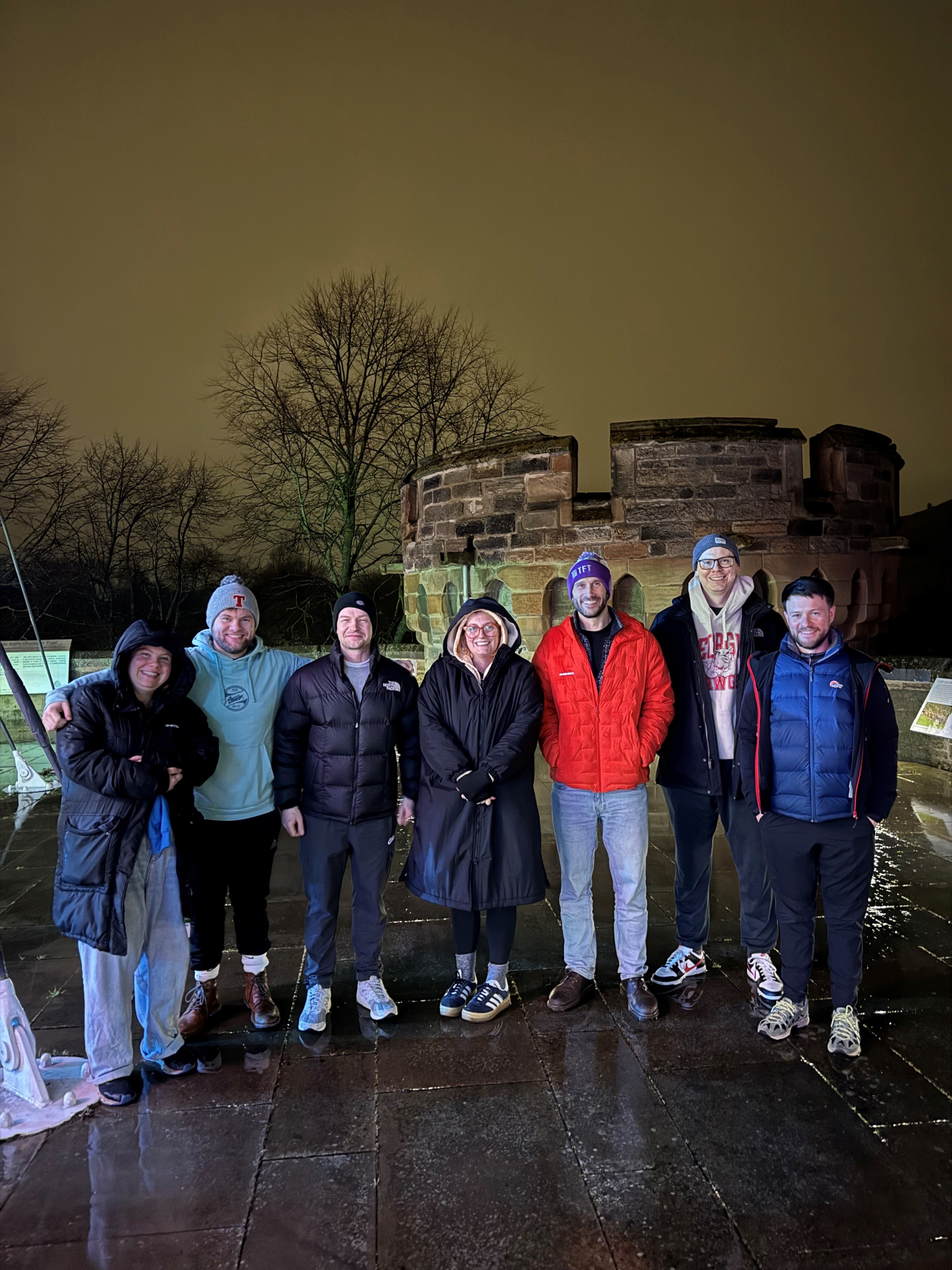
Pictured: Emily Zehetmayr, Jordan Houston, Fraser Crombie, Lauren Fowler, Philip Knight, Liam McCabe and Robbie McElroy

Lawyers from Dentons’ Edinburgh and Glasgow offices took part in the 2026 LandAid SleepOut in Edinburgh on 5 March, spending a night outdoors to raise funds to help tackle youth homelessness.

Dentons disputes partner Philip Knight joined his colleagues Liam McCabe, Lauren Fowler, Fraser Crombie, Emily Zehetmayr, Jordan Houston and Robbie McElroy in sleeping outside Dynamic Earth, Edinburgh’s planetarium and science centre, as part of the nationwide fundraising initiative organised by LandAid, the property industry charity working to end youth homelessness in the UK.

Marking the second consecutive year of Dentons’ participation in the SleepOut, the team braved cold and wet conditions to highlight the realities faced by young people without a safe or stable place to live. 

The Dentons team set an initial fundraising target of £1,400. With the support of the Dentons Charitable Trust, the team has so far raised £3,000 and hopes to raise further funds for LandAid.

Philip Knight, partner at Dentons, said: “Spending a night outdoors in the cold and rain was a powerful reminder that, for us, this was a temporary challenge. For many young people across the UK, the reality of homelessness is far harsher and far longer. We are proud to stand alongside colleagues across the property industry to support LandAid’s vital work and to help raise funds that will provide safe places to stay and meaningful support for those who need it most.”

Spring is in the air for Irish Legal News

Spring is in the air for Irish Legal News

Our sister publication Irish Legal News is enjoying a spring boost with several milestones to be reached in March.

On LinkedIn, its popular page is poised to exceed 33,000 followers, while subscribers to its free daily newsletter have risen to over 12,000.

Over 4,000 readers now follow ILN on Instagram, which is becoming a hit among law students and early-career lawyers in particular.

Meanwhile, unique visitors to the ILN website averaged over 130,000 per month in December 2025, January 2026 and February 2026.

ILN editor Connor Beaton said: “I’m pleased to report that Irish Legal News continues to go from strength to strength.

“We are attracting both more readers and more advertisers. I’d like to thank them, all of our supporters and the PR and communications professionals who keep the stories coming.

“Our growing social media following and weekly job flash emails mean that we are constantly improving our offering.”

To have your stories covered contact: newsdesk@irishlegal.com

To advertise contact: jeff@irishlegal.com

Review: The first fascist

By Robert Shiels

Review: The first fascist

Antoine de Vallombrosa, Marquis de Morès, was the first late modern politician in the West to emerge politically as a populist, an antisemite, and what might now be called a fascist militiaman.

That unattractive curriculum vitae reflects the rise politically of Morès by incendiary rhetoric, the tactical and strategic use of intimidation, provocation, and violence, including the presence of Morès somewhere in the crowded shadows over the notorious Dreyfus affair.

Tiring of tedious military service in the French army, where he served for a few years, Morès went ranching on the American frontier and building a railway in Tonkin, in French Indochina – but his adventurous schemes failed, the first economically and the second politically.

Morès saw his failures in America as due to his being the victim of an economic oligopoly. In Asia he felt he had been a victim of a political oligopoly. In both of these he concluded there was Jewish influence. He resolved to sort the ‘problem’, not for himself but for the good of all.

The true cause of these disasters was Morès himself, by over-extending his initial investments and business expansions in difficult circumstances, and also competing with existing commercial interests which were well-entrenched and efficient.

Morès returned home to France, blaming supposed Jewish machinations for his financial defeats, not least with his bold business interests in New York. There was a hint in these ventures of a former cavalry officer participating in matters with neither the knowledge or ability required.

When Morès rose swiftly to political prominence, France in the 1880s was affected by difficult economic problems along with political nostalgia and uncertainty about the future course of government.

Others who, were less charismatic, had produced lengthy written works of antisemitism, and developing these Morès was able to begin his crusade on that theme openly and in a far more ‘athletic and muscular’ way.

Moreover, Morès was ahead of the general practices with his attention to his press coverage and media management: he fought a duel with pistols and injured his opponent and so he won. One journalist was present and he had, somewhat unusually, a camera to record events.

A later duel by sword led to the death of a fellow Army officer at the hand of Morès. The deceased was Jewish and after acquittal of a charge of murder Morès began his political career with a notoriety of prejudice that chimed with the times then.

The machinations of French high politics led to accusations of foreign involvement by prominent politicians based on sensational documents which were produced in parliament. The papers were soon shown to be forged and the involvement of Morès led to his downfall.

Morès had been subsidised by his father for years and the downfall coincided with the latter withdrawing his credit. It also became public knowledge that Morès had at one point borrowed a large sum of money from a Jewish financier.

A precipitous downfall in 1893 of the charismatic Marquis led somewhat slowly to a legend that extended to his rediscovery in Vichy France, nearly half a century later. The constant pursuit of adventures abroad of Morès led to his death in the desert in Algeria.

This fascinating biography narrates events with balance and restraint, although it is no mere narrative: there are 100 pages of footnotes covering a very wide range of authorities. The author, a professor of modern Italian history is well placed describe the flow of political ideas.

This is “a forgotten story of a forgotten man”, but not wholly so, as those who followed in his extreme ideological wake, and developed their theory and practices, were encouraged by the vitriolic fascism of Marquis de Morès: his line of political succession led to Mussolini.

The First Fascist: The Life and Legacy of the Marquis de Mores by Sergio Luzzatto. Published by Allen Lane, 488pp, £30.

Rights watch

Rights watch

Our hand-curated weekly round-up of human rights stories from around the world.

Questions mount for Hegseth over possible US involvement in strike on Iranian school | BBC News

Democrats in the US Senate have written to Defence Secretary Pete Hegseth demanding answers about the strike on a primary school in Iran that Iranian officials say killed 168 people, including about 110 children.

British man charged in Dubai for alleged filming of Iranian missiles | BBC News

A 60-year-old British man has been charged under cyber-crime laws in Dubai after allegedly filming Iranian missiles over the city.

Human Rights Watch accuses Israel of using white phosphorus | The National

A human rights group has said in a report that the Israeli military “unlawfully” hit a village in southern Lebanon with shells containing white phosphorus, an illegal munition under international law.

China passes controversial ‘ethnic unity’ law | DW

China’s National People’s Congress approved legislation promoting what it calls the “ethnic unity” law, which human rights groups say could further marginalize minority groups.

66 UK MPs push for sanctions on Israel amid West Bank land grab | The New Arab

More than 60 UK lawmakers are backing a parliamentary motion for widespread sanctions on Israel, as its government moves to annex the occupied West Bank.

Russian court fines LGBTQ+ activist $5.7K for ‘extremism’ | The Moscow Times

A court in Russia’s southwestern Samara region has fined the head of a small LGBTQ+ activist group 450,000 rubles ($5,700) on charges of “extremism”.

Peruvian state responsible for mother’s death in forced sterilisation, court rules | The Guardian

The highest human rights court in Latin America condemned Peru last week over the death of its citizen Celia Ramos, who died at the age of 34 in 1997 after undergoing sterilisation “under coercion”.

Senegal passes law doubling penalty for same-sex relations to 10 years in prison | France 24

Senegal’s parliament on Wednesday passed legislation doubling the maximum penalty for same-sex relations, making them punishable by up to 10 years in prison amid a crackdown on the country’s gay community.

Russia sentences Meduza journalist Dmitry Kuznets to 2.5 years in prison in absentia | Meduza

A Moscow court has sentenced Meduza military analyst Dmitry Kuznets to 2.5 years in prison in absentia on charges of participating in the activities of an “undesirable organisation”.

Anthropic sues the Trump administration after it was designated a supply chain risk | CNN

Anthropic is suing the US Department of Defense and other federal agencies over the Trump administration’s decision to label the AI company a “supply chain risk”.

Quote of the day

Why, you do not even know what will happen tomorrow. What is your life? You are a mist that appears for a little while and then vanishes.

James 4:14


The pain of parting is nothing to the joy of meeting again.

Charles Dickens, ‘Nicholas Nickleby’ (1839)

And finally… do not pass go

And finally... do not pass go

The head priest and dean of a 150-year-old church has been charged with shoplifting a four-figure sum’s worth of trading cards.

The Very Rev Aidan Smith, dean of Trinity Episcopal Cathedral in downtown Pittsburgh, is alleged to have stolen 27 packs of baseballs cards from a Walmart.

The total value is estimated at $1,099.99 (around £830), according to NBC News.

The reverend is on administrative leave and is now facing an investigation by the Episcopal Diocese of Pittsburgh.

Diocese bishop the Right Rev Ketlen Solak told the congregation: “I have spoken with Aidan and assured him of our prayers for him in this difficult time.

“Please pray for Aidan, for Melanie and their children, for the entire cathedral congregation as we grieve this news, and for everyone involved in this hard situation.”

Professor Roddy Paisley to unpick the Irvine Knitters rule at this month’s Conveyancing Conference

Professor Roddy Paisley to unpick the Irvine Knitters rule at this month’s Conveyancing Conference

Professor Roddy Paisley

Professor Roddy Paisley of the University of Aberdeen will consider some of the most important implications of the Irvine Knitters rule which requires servitudes to be specific to an identified dominant tenement at CLT Scotland’s Conveyancing Conference taking place at Hilton Glasgow on Monday 16 March.

The conference will also cover topics ranging from current issues concerning Deeds of Conditions to tax developments, housing, planning and some key recent decisions from the courts.

For more information on the conference and to book click here.

The Conveyancing Conference forms part of the Scots Law Series taking place this month at Hilton Glasgow – for details of each of the individual conferences forming part of the Series, click here.

Sandra McDonald to reflect on two decades of developments at this month’s Elder Client Conference

Sandra McDonald to reflect on two decades of developments at this month’s Elder Client Conference

Sandra McDonald

The former Public Guardian, Sandra McDonald, will reflect on the progress made since the landmark Adults with Incapacity (Scotland) Act 2000 during her keynote introduction to CLT Scotland’s Elder Client Conference taking place at Hilton Glasgow on Tuesday 17 March.

The conference will also cover topics ranging from assessing capacity and tax planning for elder clients to practical guidance for guardianship applications and issues with trusts.

For more information on the conference and to book click here.

The Elder Client Conference forms part of the Scots Law Series taking place this month at Hilton Glasgow – for details of each of the individual conferences forming part of the Series, click here.

In Case You Missed It...

Please note that Scottish Legal News accepts no responsibility for viruses. It's your responsibility to scan attachments.

Scottish Legal News strives to be accurate. If you see anything in our publication which is misleading or wrong, please contact us.

You can find the most up-to-date information about how to contact Scottish Legal News on our website.

© E-News Now Ltd 2026
You are receiving this email because you are subscribed to Scottish Legal News.